


What Security Features Do Commercial Metal Doors Offer?
Commercial metal doors offer a range of security features designed to enhance safety, durability, and protection against unauthorized access.
What are the security features of commercial metal doors?
- Heavy-Duty Construction: Made from steel or aluminum, these doors resist forced entry, impact, and wear better than wood or fiberglass doors.
- Reinforced Cores: Many metal doors have reinforced cores (such as steel, honeycomb, or polystyrene) to enhance strength and insulation.
- Fire Resistance: Fire-rated metal doors can withstand fire for a specified period (such as 45 minutes to 3 hours), helping to contain flames and smoke.
- Tamper-Resistant Hinges: Security hinges, including concealed or continuous hinges, prevent doors from being removed easily.
- Multi-Point Locking Systems: Some models feature multi-point locks, deadbolts, or electronic access control for enhanced security.
- Panic Hardware & Exit Devices: Commercial metal doors can be equipped with push bars, panic hardware, and automatic closers for safe emergency exits.
- Bullet & Blast Resistance: Some high-security metal doors are designed to withstand gunfire or explosions, commonly used in government and financial institutions.
- Weather & Corrosion Resistance: Galvanized and stainless steel doors offer protection against moisture, rust, and extreme weather conditions.
- Security Glass Options: If a door has a window, it can be reinforced with wire mesh, laminated glass, or bullet-resistant glazing to prevent breakage.
- Electronic & Smart Lock Integration: Many commercial metal doors support keycard access, biometric scanners, and remote locking systems for added security.
What makes commercial metal doors more secure than other door types?
Commercial metal doors are more secure than other door types due to their superior strength, durability, and ability to integrate advanced security features. Made from steel or aluminum, these doors are significantly stronger than wood or fiberglass, making them highly resistant to forced entry, impacts, and vandalism. Additionally, their reinforced cores, such as steel-stiffened, honeycomb, or polystyrene cores, add extra durability and prevent warping, cracking, and breakage.
One of the key security advantages of metal doors is their fire and smoke resistance. Many commercial metal doors are fire-rated and can withstand flames for 45 minutes to 3 hours, helping to contain fire and smoke during emergencies. In contrast, wooden or fiberglass doors burn faster and provide less protection. Metal doors also support advanced locking mechanisms, including multi-point locks, deadbolts, and electronic access control, which make them much harder to bypass compared to traditional wooden or glass doors.
Security hinges play a crucial role in preventing unauthorized access. Metal doors can be equipped with continuous or concealed hinges, making it difficult for intruders to remove the door from its frame. Additionally, for high-security environments, some metal doors offer bulletproof or blast-resistant options, which provide superior protection against threats. Wooden or fiberglass doors simply cannot match this level of security.
For businesses or facilities requiring glass panels, metal doors can be reinforced with wire mesh, laminated, or bullet-resistant glass, preventing easy breakage while still allowing visibility. These doors are also weather and corrosion-resistant, especially when made from galvanized or stainless steel, which prevents rust, warping, and moisture damage—common issues with wooden doors that can weaken their structure over time.
Finally, commercial metal doors are compatible with smart security systems, including keycard access, biometric scanners, and remote access control, further enhancing security and monitoring capabilities. Their long lifespan and low maintenance make them a cost-effective security investment, as they require fewer repairs and replacements compared to wooden or fiberglass alternatives.
Are commercial metal doors fire-rated?
Yes, many commercial metal doors are fire-rated, meaning they are designed to withstand fire and smoke for a specific period of time, helping to contain flames and prevent the spread of fire. Fire-rated metal doors are commonly used in commercial buildings, warehouses, schools, and healthcare facilities to enhance safety and meet building code requirements.
Fire Ratings and Standards:
Commercial metal doors typically have fire ratings ranging from 20 minutes to 3 hours, depending on their construction and intended use. These ratings are determined by independent testing organizations such as Underwriters Laboratories (UL) and Warnock Hersey (WH), ensuring they meet fire safety standards.
Fire-Resistant Materials:
Most fire-rated metal doors are made from steel with reinforced cores, such as:
- Steel-stiffened cores for maximum durability.
- Honeycomb cores for lightweight strength.
- Mineral cores for enhanced fire resistance.
- Polystyrene or polyurethane cores for added insulation.
Features of Fire-Rated Metal Doors:
Fire-rated metal doors come with several key features that enhance their fire resistance and safety. Their heat-resistant construction prevents warping and ensures structural integrity even under extreme temperatures. Many are equipped with smoke seals and intumescent strips, which expand when exposed to heat, helping to block smoke and prevent it from spreading. For doors with windows, fire-rated glazing (such as wire-reinforced or ceramic glass) provides added protection by resisting shattering under high heat. Additionally, self-closing mechanisms ensure the door automatically closes in the event of a fire, helping to contain flames and smoke while maintaining safe exit routes.
Building Code Compliance:
Most commercial buildings must comply with local fire codes and National Fire Protection Association (NFPA) standards, which often require fire-rated doors in stairwells, hallways, and exit routes.
Do metal doors have reinforced locking systems?
Yes, metal doors can be equipped with reinforced locking systems to enhance security and prevent unauthorized access. These doors are designed to support a variety of high-strength locks and access control mechanisms, making them ideal for commercial, industrial, and high-security applications. The types of reinforced locking systems include:
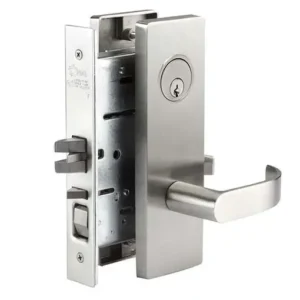
Mortise Locks: These locks are embedded within the door, making them more secure than standard cylindrical locks. They offer durability and resistance to tampering.
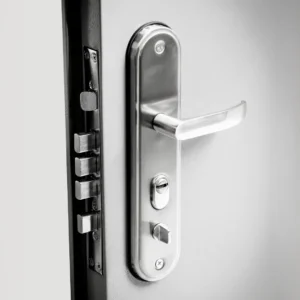
Multi-Point Locking Systems: These systems secure the door at multiple points (top, middle, and bottom) with a single turn of the key or handle, making forced entry much more difficult.
Heavy-Duty Deadbolts: Metal doors can accommodate reinforced deadbolts, which provide extra strength and security against prying or forced entry.

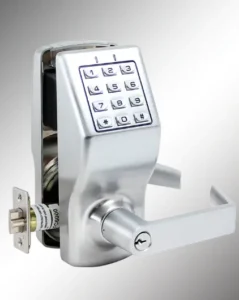
Electronic & Keyless Locks: Many metal doors are compatible with keycard access, PIN codes, and biometric locks, adding a layer of security and controlled access.
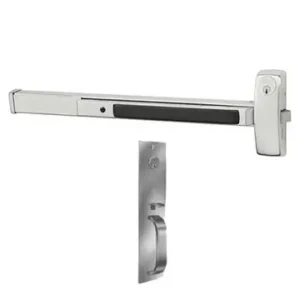
Panic Bars & Exit Devices: Common in commercial and emergency exit doors, panic bars allow quick egress while preventing unauthorized entry from the outside.
Continuous Hinges & Reinforced Strike Plates: To prevent tampering, metal doors often have continuous hinges and reinforced strike plates, making it harder for intruders to force the door open.
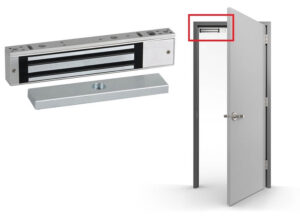
Magnetic Locks (Maglocks): Used in high-security environments, maglocks rely on an electromagnetic force to keep the door securely closed until released by an access system.
Because of their durable construction and ability to integrate advanced locking mechanisms, metal doors provide significantly better security than wooden or fiberglass alternatives.
Can metal doors be bulletproof?
Yes, metal doors can be bulletproof when designed with specialized materials and construction. These doors are commonly used in banks, government buildings, military facilities, and corporate offices where protection against gunfire is essential. They are built using hardened steel, ballistic-grade stainless steel, or composite materials that absorb and disperse the impact of bullets.
Bulletproof metal doors typically feature ballistic steel cores, multiple layers of Kevlar, ceramic, or fiberglass, and reinforced frames and hinges to maintain structural integrity under attack. They are tested and rated according to UL 752 (Underwriters Laboratories) or NIJ (National Institute of Justice) standards, with protection levels ranging from handgun resistance (Level 1-3) to military-grade, armor-piercing rounds (Level 7-8).
For added security, bulletproof doors can be equipped with ballistic-rated glass panels, heavy-duty locking systems, and fire or blast resistance. These enhancements make them an ideal choice for facilities requiring maximum protection against armed threats.
Are security hinges necessary for metal doors?
Yes, security hinges are necessary for metal doors, especially in commercial, industrial, and high-security applications. Regular hinges on metal doors can be vulnerable to tampering or removal, which would compromise the door’s effectiveness in preventing unauthorized entry. Security hinges are designed to enhance the strength and integrity of the door, making it much harder for intruders to bypass or force open. The types of security hinges include:
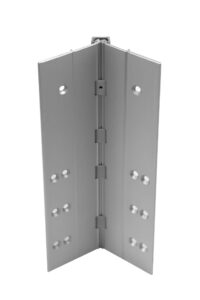
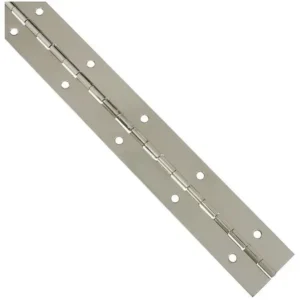
Continuous Hinges (Piano Hinges): These run the full length of the door, providing added strength and preventing door removal. They are often used in high-security environments because they make it difficult to tamper with or break the hinge.
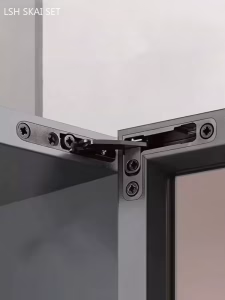
Concealed Hinges: These hinges are hidden within the door frame, making it impossible to tamper with from the outside. This design helps prevent the door from being removed, even if the hinge pins are cut or tampered with.

Non-Removable Pin Hinges: These hinges have pins that cannot be removed from the outside, preventing the door from being detached, even if the hinge pins are attacked.

Heavy-Duty Hinges: Made from stronger materials like steel, these hinges are built to withstand significant pressure and resist tampering.
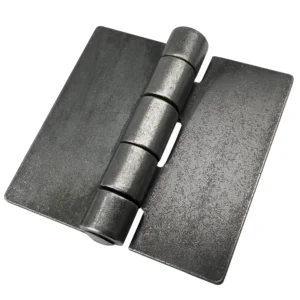
By using security hinges, metal doors are better protected against forced entry, vandalism, or tampering, which increases the overall security of a building.
Do metal doors offer glass panel/light kit options?
Yes, metal doors can offer glass panel or light kit options, allowing visibility and natural light to enter a space while maintaining security and durability. These options are commonly used in commercial and industrial applications, such as office buildings, schools, hospitals, and storefronts, where both security and visibility are essential.
Common glass options for metal doors include wire-glass panels, which are reinforced with metal mesh to prevent shattering, and laminated glass, which is tougher and more resistant to impact. For high-security environments, bullet-resistant glass can be integrated into the door, offering protection against gunfire while still allowing visibility. Additionally, thermal insulated glass is available for energy efficiency, and fire-rated glass can be used for fire protection.
For extra protection, metal doors with glass panels can feature security grills or glazed light kits that match the door’s aesthetic and provide the right amount of natural light. These features ensure a balance of security, functionality, and design.
Can metal doors be integrated with smart security systems?
Yes, metal doors can be integrated with smart security systems, making them even more secure and convenient for modern commercial and residential applications. These systems enhance access control, monitoring, and automation, providing better protection and ease of use. Smart security features for metal doors include:
- Keyless Entry: Metal doors can be equipped with keypad, fingerprint, or RFID readers, allowing for keyless access. This eliminates the need for physical keys and enhances security by restricting access to authorized users.
- Electronic Locks: Motorized or electronic locks can be installed on metal doors, providing remote control and access management via smartphones, keycards, or biometrics. These locks can be linked to an overall security system, allowing real-time monitoring and control.
- Access Control Systems: Metal doors can be connected to a centralized access control system, where user permissions, schedules, and security protocols can be managed. This is ideal for businesses or buildings that require multiple points of access with varying levels of security.
- Alarm Systems: Integrating motion sensors, door/window sensors, or contact sensors with metal doors triggers alarms when unauthorized access is detected, ensuring prompt alerts to security personnel or property owners.
- Video Surveillance: Cameras can be installed above or near the metal door, providing video footage of entry points. These systems can be integrated with cloud storage, allowing for easy access to footage from anywhere.
- Remote Monitoring: Smart metal doors can also be monitored remotely via apps or security platforms, enabling real-time status updates, access logs, and the ability to lock or unlock doors from a distance.
By integrating these smart security features, metal doors not only provide physical protection but also enhance overall building security and operational efficiency.
If you are in need of secure metal doors, take a look here: Commercial Metal Doors