


Yes, hollow metal door frames are strong enough for high-security applications. They are constructed from heavy-gauge steel, offering excellent resistance to forced entry, impact, and tampering. Their rigid structure, combined with reinforced hinge and strike areas, makes them a reliable choice for facilities that require enhanced protection, such as schools, hospitals, government buildings, and commercial properties.
What Security Features Are Built Into a Hollow Metal Door Frame?
Are hollow metal door frames strong enough for high-security applications?
Hollow metal door frames typically include several key reinforcements to enhance security and durability. These often include:
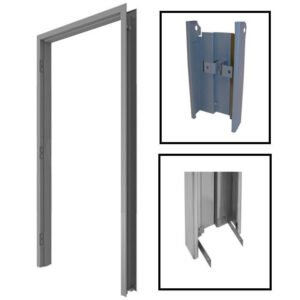
- Hinge reinforcements: Extra steel plates are welded inside the frame at hinge locations to prevent sagging and withstand repeated use or force.
- Strike plate reinforcements: The area where the lock engages is reinforced to resist tampering and forced entry.
- Header reinforcements: Additional support at the top of the frame helps maintain structural integrity, especially for heavy doors.
- Hardware reinforcements: Frames can be prepped with internal reinforcements for panic devices, closers, and electronic security components.
These reinforcements ensure the frame can support heavy-duty hardware and endure high-traffic or high-security conditions.
How is a hollow metal door frame anchored to the wall?
Hollow metal door frames are anchored to the wall using strong, tamper-resistant methods that vary depending on the type of wall construction. For masonry walls, such as concrete or concrete block, anchors like wire masonry anchors, T-anchors, or adjustable masonry anchors are commonly used. These anchors are embedded directly into the mortar joints during the wall’s construction, securing the frame firmly in place as the wall is built around it.
For drywall or stud walls, different anchoring techniques are used. Steel frames are typically fastened with steel stud anchors, wood stud anchors, or compression anchors, depending on the type of studs in the wall. These methods ensure the frame is tightly secured to the surrounding structure.
In both applications, multiple anchor points, usually at the top and along the vertical jambs, are used to keep the frame stable and properly aligned. This prevents shifting over time and provides resistance against tampering, ensuring long-term security and performance.
Are hollow metal door frames resistant to forced entry?
Yes, hollow metal door frames are highly resistant to forced entry due to their strong construction and built-in security features. Made from heavy-gauge steel, typically 16- or 14-gauge, these frames offer superior strength compared to wooden or aluminum alternatives. Their durability makes them an excellent choice for commercial, industrial, and high-security environments.
One of the key security features is reinforced lock and strike plates, which prevent tampering and forced entry at the locking points. Additionally, tamper-resistant hinges, such as non-removable pin (NRP) hinges or continuous hinges, make it difficult for attackers to remove the door from its frame.
To further enhance security, security anchors firmly attach the frame to the wall structure, reducing the risk of prying or detachment. Welded corners and hospital stops add extra reinforcement, making it even more difficult to breach the frame. For high-security applications, specialized bullet- and blast-resistant options provide additional protection.
While no door frame is completely impenetrable, hollow metal door frames offer superior resistance to forced entry compared to other materials. Their combination of strength, reinforcement, and tamper-resistant features makes them a reliable choice for securing buildings.
Can hollow metal door frames be fire-rated?
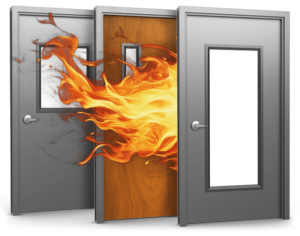
Yes, hollow metal door frames can be fire-rated and are commonly used in fire-rated door assemblies to enhance safety and comply with building codes. These frames are designed to withstand fire and high temperatures for a specified period, helping to contain flames and smoke within a designated area.
Fire-rated hollow metal door frames come with various fire protection durations, typically ranging from 20 minutes to 3 hours, depending on the design and materials. They are made from fire-resistant steel or galvanized steel, which does not burn or contribute to the spread of fire. Many of these frames are also designed to accommodate intumescent seals, which expand when exposed to high heat, blocking smoke and flames from spreading through gaps.
To ensure safety and reliability, fire-rated metal frames are tested and certified by agencies such as UL (Underwriters Laboratories) or Warnock Hersey. Proper certification ensures that the frame meets fire protection standards and building codes. Additionally, for maximum effectiveness, fire-rated frames must be installed with a fire-rated door, compatible fire-rated hardware, and proper seals to maintain the integrity of the fire barrier.
Another key advantage of fire-rated hollow metal door frames is their ability to maintain structural integrity during a fire. Unlike wood or other materials that may warp or collapse under extreme heat, metal frames provide consistent protection, allowing for safe evacuation and containment of fire.
When choosing a fire-rated frame, it’s essential to consider the required fire rating, wall construction, and compatibility with door hardware. Selecting the right frame ensures compliance with local fire codes and enhances the overall safety of a building.
How do tamper-resistant hinges enhance security?
Tamper-resistant hinges enhance security by preventing unauthorized removal of a door, reducing vulnerabilities at one of the most common points of forced entry. Standard hinges can be easily compromised by removing hinge pins or unscrewing mounting hardware, but tamper-resistant hinges are specifically designed to eliminate these weaknesses.
One key feature of tamper-resistant hinges is the non-removable pin (NRP) design. In these hinges, the hinge pin is either permanently fixed or secured with a set screw that is only accessible when the door is open. This prevents intruders from removing the pins to take the door off its frame. Continuous hinges, which run the full height of the door, are another security-enhancing option, as they eliminate gaps that could be pried open.
Additionally, security stud hinges include built-in studs that interlock when the door is closed, preventing it from being lifted off the hinges even if the pins are removed. Torx or one-way screws can also be used on hinge plates to prevent them from being unscrewed from the frame.
By reinforcing one of the most vulnerable areas of a door, tamper-resistant hinges significantly improve overall security, making it much harder for intruders to bypass the door by attacking its hinges. These hinges are commonly used in commercial buildings, schools, government facilities, and high-security environments where door integrity is crucial.
Do hollow metal door frames support access control systems?
Yes, hollow metal door frames support access control systems and are commonly used in commercial, industrial, and high-security environments where controlled entry is required. These frames can be prepped and reinforced to accommodate various access control components, ensuring seamless integration with modern security systems.
One of the key features is their compatibility with electric strikes, which allow doors to be locked and unlocked electronically while maintaining high security. Additionally, magnetic locks (maglocks) can be mounted on hollow metal frames, offering a strong, fail-safe or fail-secure locking option for high-security applications.
Hollow metal door frames can also support card readers, keypads, biometric scanners, and other electronic access devices. They are designed with wiring pathways that make it easy to integrate these components without compromising the frame’s strength. For added security, door position sensors can be installed within the frame to monitor door status and integrate with alarm systems.
These frames are also compatible with power transfer hinges, which allow wiring to pass through the door frame, keeping cables protected and hidden. Additionally, hollow metal frames can accommodate automatic door operators, which are useful in accessibility applications or high-traffic areas. In some cases, the frames can be prepped for intercom panels, cameras, or motion sensors, enhancing security and providing visitor management capabilities.
By incorporating these features, hollow metal door frames offer a secure, durable, and adaptable solution for modern access control systems.
Are hollow metal door frames weather-resistant?
Yes, hollow metal door frames are weather-resistant, especially when constructed with materials and finishes designed to withstand harsh environmental conditions. These frames are commonly used in exterior doors where exposure to the elements is a concern, such as in commercial, industrial, and residential applications.
One key weather-resistant feature is galvanized steel, which is often used for hollow metal frames. This material is coated with a layer of zinc to protect the frame from rust and corrosion caused by moisture, rain, and humidity. The galvanization process helps ensure the frame’s durability and longevity, even in outdoor environments.
Additionally, hollow metal frames can be coated with powder finishes, which offer an extra layer of protection against UV rays, moisture, and salt. Powder coating also helps prevent fading, chipping, and rusting, and is available in a wide range of colors to maintain aesthetic appeal.
For areas with extreme exposure to corrosive elements, stainless steel frames are an excellent option. Stainless steel provides superior resistance to rust, corrosion, and staining, making it ideal for coastal environments or locations exposed to harsh chemicals or weather conditions.
To further enhance weather resistance, weatherstripping or sealed joints can be applied to hollow metal frames. These additions help reduce drafts, prevent water infiltration, and improve thermal insulation, ensuring the frame performs well even in challenging weather.
Lastly, corrosion-resistant hardware made from materials like brass, stainless steel, or coated metals is often used in conjunction with hollow metal door frames. This ensures smooth operation and longevity of the door despite exposure to outdoor conditions.
These weather-resistant features make hollow metal door frames an ideal choice for exterior doors that need to withstand the elements while maintaining security, functionality, and aesthetic appeal.
Can hollow metal door frames be bullet- or blast-resistant?
Yes, hollow metal door frames can be bullet- or blast-resistant, making them suitable for high-security applications where protection from extreme threats is necessary. These specialized frames are designed to provide extra strength and resilience against ballistic impacts and explosions, offering enhanced safety in sensitive environments such as government buildings, military facilities, financial institutions, and secure access points.
Bullet-Resistant Hollow Metal Door Frames: Bullet-resistant hollow metal door frames are typically reinforced with ballistic-grade materials such as armored steel or composite materials. These frames are designed to absorb and disperse the energy of a bullet, preventing penetration and protecting those on the other side. The frames are often paired with bullet-resistant glass or bulletproof doors, creating a complete barrier that can withstand gunfire.
The level of bullet resistance can vary based on the threat level (e.g., handgun, rifle, or high-powered rifle) and the specific security requirements. Ballistic testing standards, such as those set by the National Institute of Justice (NIJ), help determine the protection level of these frames.
Blast-Resistant Hollow Metal Door Frames: Blast-resistant hollow metal door frames are engineered to withstand explosions or shockwaves from nearby blasts. These frames are constructed with reinforced steel and blast-resistant materials to absorb the impact of the explosion and prevent the door from failing under high-pressure conditions. The frame’s design typically includes reinforced corners, welded joints, and additional layers of steel to provide enhanced strength.
In addition to the frame, blast-resistant doors and seals are critical for maintaining a complete protective barrier against blast waves. These doors are designed to flex under pressure without breaking, ensuring that the structural integrity is maintained even after an explosion.
Both bullet- and blast-resistant hollow metal door frames are used in areas where security is paramount, including embassies, military installations, government buildings, airports, and other high-risk facilities. These frames are often customized to meet specific security standards based on the level of threat protection required.
What role do security anchors play?
Security anchors play a crucial role in enhancing the strength and stability of hollow metal door frames. They are designed to securely fasten the frame to the surrounding wall structure, making it more resistant to forced entry, tampering, or prying. These anchors provide additional support, helping to prevent the frame from being compromised at its connection points. Here’s how security anchors enhance the overall security of a door system:
- Preventing Frame Detachment: Security anchors ensure that the door frame remains securely attached to the wall, preventing it from being easily pried out or removed. By anchoring the frame to the structural components of the building, they reduce the risk of intruders breaking through the door by detaching the frame.
- Reinforcing Door Frame Integrity: These anchors help distribute force evenly across the frame, particularly when subjected to impacts or attempts at forced entry. The reinforcement provided by security anchors reduces the likelihood of the frame bending, warping, or failing under pressure.
- Enhancing Resistance to Impact and Burglary: Security anchors are particularly important in preventing impact-based entry attempts. They increase the frame’s resistance to violent forces, such as a battering ram or other tools used by burglars, by providing secure points of connection that are harder to tamper with.
- Additional Layer of Protection for High-Security Areas: In high-security applications, such as banks, military facilities, or government buildings, security anchors are used in combination with other features like reinforced frames, security hinges, and high-grade locks. These anchors contribute to creating a strong, tamper-resistant entry point that adds an extra layer of defense against unauthorized access.
- Customization for Specific Security Needs: Security anchors can be designed to meet specific security standards depending on the building’s requirements. For instance, anchors can be placed in strategic locations around the frame, including at the top, bottom, and sides, or positioned where additional reinforcement is needed.
By securing the frame in place, security anchors ensure that the door remains an effective barrier against unauthorized entry. They are an integral part of a comprehensive door security system and contribute significantly to the overall safety of a building.
If you are in need of hollow metal door frames, take a look here: Hollow Metal Door Frames
You can also take a look at our many commercial door options here: Commercial Doors