What is the Fire Rating of a Commercial Wood Door?
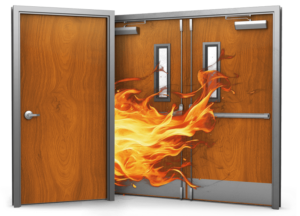
The fire rating of a commercial wood door typically ranges from 20 to 90 minutes, depending on its construction, core material, and compliance with industry standards such as UL 10C or NFPA 252. Most fire-rated wood doors have a mineral or composite core to meet fire-resistance requirements and must be installed with compatible fire-rated frames and hardware to maintain their rating. A 20-minute rating is common for light commercial use, while 45-, 60-, or 90-minute ratings are used in areas requiring higher fire protection, such as corridors, stairwells, and occupancy separations.
What determines the fire rating of a commercial wood door?
The fire rating of a commercial wood door is determined by several key factors:
- Core Material: Fire-rated wood doors typically have a mineral core, composite core, or other fire-resistant core material that slows heat transfer and resists burning.
- Door Construction: The thickness, veneers, adhesives, and assembly method all affect the door’s fire performance. Heavier construction with fire-retardant materials improves the fire rating.
- Testing & Certification: Doors must pass fire endurance tests (such as UL 10C or NFPA 252) conducted by certified laboratories. These tests evaluate how long a door can withstand fire exposure and limit temperature rise on the unexposed side.
- Labeling: A permanent fire label affixed by a recognized testing agency confirms the door’s fire rating and ensures it complies with building code requirements.
- Frame and Hardware Compatibility: The fire rating is only valid if the door is installed with compatible fire-rated frames, hinges, and hardware as specified in the fire door assembly listing.
All these factors together ensure that a commercial wood door performs effectively in a fire-rated assembly.
What are the most common fire ratings for commercial wood doors?
- 20 minutes: Typically used in corridors, office interiors, or where minimal fire protection is required.
- 45 minutes: Common in stairwells, utility rooms, and between spaces requiring moderate fire resistance.
- 60 minutes (1 hour): Often used in areas with higher fire risk or where building codes mandate a full hour of fire resistance.
- 90 minutes (1.5 hours): Used in high-risk areas such as stairwells, corridors, and between occupancy separations in larger buildings.
Each rating indicates how long the door can withstand fire conditions, and the appropriate rating depends on local building codes and the specific location of the door within the building.
Can a fire-rated wood door have glass?
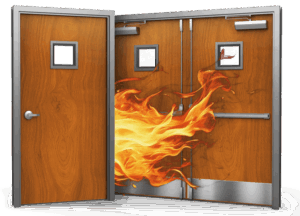
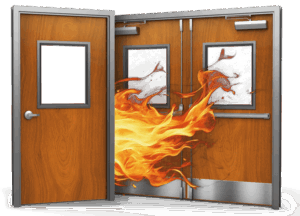
Yes, a fire-rated wood door can have glass, but the glass must also be fire-rated and tested as part of the complete door assembly. This ensures that the door, glazing, and framing components all work together to maintain the required fire protection.
There are several types of fire-rated glass commonly used in wood doors. These include traditional wired glass, which has embedded wire mesh to hold it together under heat, and ceramic glass, which can withstand high temperatures and is often available in larger sizes. Specialty fire-rated glazing options, such as multi-layered or laminated glass, can offer both fire resistance and impact safety, making them ideal for high-traffic or hazardous areas.
The size and placement of glass panels are regulated by building codes and depend on the fire rating of the door. For 20- and 45-minute rated doors, larger vision panels are typically allowed. However, for 60- and 90-minute rated doors, the permitted glass area is more limited unless advanced fire-rated glazing is used. In all cases, the glass must be labeled accordingly and installed using fire-rated frames and vision kits.
In summary, fire-rated wood doors can safely include glass, provided all components meet fire-resistance standards and are tested as a unit to maintain code compliance and occupant safety.

Where are fire-rated wood doors typically used?
Fire-rated wood doors are typically used in commercial buildings where fire protection and code compliance are required to protect occupants and slow the spread of fire. Common locations include:
- Corridors and hallways: To compartmentalize fire and smoke and protect exit paths.
- Stairwells and elevator lobbies: To maintain safe egress routes during a fire.
- Mechanical and electrical rooms: To contain fires that could originate from building systems.
- Tenant separations: In multi-tenant buildings to isolate individual units.
- Storage and utility rooms: Especially those storing flammable materials.
- Entry doors to certain hotel rooms, apartments, or dormitories: As required by code for life safety.
- Fire barrier walls and occupancy separations: Where different building functions or occupancies meet, such as between a retail space and a warehouse.
The use and required fire rating of wood doors in these locations are determined by local building and fire codes, which are based on the door’s location, function, and the fire-resistance requirements of the surrounding construction.
What are some common fire-resistant materials used in commercial wood doors?
Common fire-resistant materials used in commercial wood doors include:
- Mineral Core: A non-combustible, dense core made of materials like gypsum and vermiculite. It is the most common core material for achieving higher fire ratings (45, 60, or 90 minutes), providing excellent fire resistance.
- Particleboard Core (Fire-Rated): Specially treated particleboard is often used for 20- or 45-minute rated doors. It offers fire resistance by utilizing fire-retardant additives, making it suitable for less critical areas.
- Steel-Stiffened Core: This core includes vertical steel reinforcements, enhancing both strength and fire resistance. It’s commonly used in high-traffic commercial areas where extra durability and fire protection are needed.
- Composite Core: A blend of various fire-resistant materials, composite cores are designed to provide optimal performance in meeting fire ratings while maintaining structural integrity.
In addition to these core materials, fire-rated wood doors often include laminates and intumescent seals. Laminates may be fire-retardant, while intumescent seals expand when exposed to heat, helping to block smoke and flames. These materials, combined with the right core, ensure the door meets specific fire safety standards set by agencies like UL or Intertek.
How often should fire-rated commercial doors be inspected and tested?
Fire-rated commercial doors should be inspected and tested annually. This requirement is typically mandated by building codes and industry standards, such as the National Fire Protection Association (NFPA) 80.
Regular inspections and tests help ensure that the doors remain in proper working condition and continue to meet the required fire resistance standards. If a door is found to be damaged or in need of repair, it should be addressed promptly to maintain its effectiveness as a fire barrier.
Additionally, some jurisdictions may require more frequent inspections or testing for doors in high-risk areas or facilities. It’s important to consult with local building codes and regulations to determine the specific requirements for your location.
How can I verify a door’s fire rating?
To verify a door’s fire rating, start by checking the label. Every fire-rated door should have a fire label, typically located on the edge or top of the door. This label will include essential information such as the fire rating (such as 20, 45, 60, or 90 minutes), manufacturer details, testing agency (such as UL or Intertek), and sometimes the door’s model or serial number.
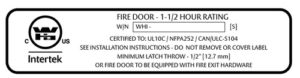
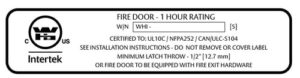
Next, look for certification marks from recognized testing agencies like UL (Underwriters Laboratories), Intertek (Warnock Hersey), or FM Global. These marks or logos on the label indicate that the door has been rigorously tested for fire resistance and complies with safety standards.
You can also review the documentation provided by the door supplier or manufacturer. They should be able to supply you with the door’s certification documentation or testing report, which outlines the test results and fire rating.
If no label is visible or the information is unclear, you can consult the manufacturer’s specifications or product literature, which should detail the fire rating for their doors.
Finally, if you are still uncertain about the door’s fire rating, consider hiring a fire door inspection professional to confirm its compliance with local building codes and fire safety standards.
If you are in need of fire-rated commercial wood doors, take a look at them & get a quote here: Fire-Rated Wood Doors
If you have any additional questions about commercial wood doors, email us at [email protected] or give us a call at 800-685-7541 and we’ll be happy to help you out!


