What is a Commercial Door Sweep?
A commercial door sweep is a durable, protective strip installed along the bottom edge of a commercial door to seal the gap between the door and the floor. Its primary function is to block drafts, dust, insects, moisture, and noise from entering through the threshold, improving energy efficiency and indoor air quality. Made from materials like aluminum, stainless steel, or heavy-duty plastic with rubber or brush inserts, door sweeps are commonly used in offices, retail spaces, warehouses, and other commercial buildings to enhance comfort, cleanliness, and security.
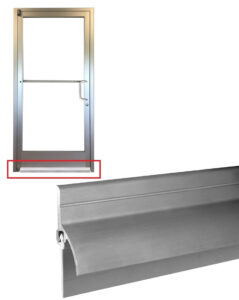
What are the benefits of commercial door sweeps?
Commercial door sweeps offer several key benefits for businesses, enhancing both comfort and efficiency. Here are the primary advantages:
- Improved Energy Efficiency: By sealing gaps at the bottom of doors, door sweeps prevent heat or cool air from escaping, helping to reduce energy consumption and lower heating and cooling costs.
- Enhanced Comfort: Sweeps help maintain a more consistent indoor temperature by blocking drafts, keeping the interior comfortable for employees and customers.
- Pest and Insect Control: A well-fitted door sweep prevents pests, insects, and rodents from entering through gaps, which is particularly important in food service, retail, and warehouse environments.
- Noise Reduction: Door sweeps can help minimize sound transmission between rooms or from outside, making them ideal for office spaces or buildings where noise reduction is important.
- Moisture and Dust Prevention: They act as a barrier to moisture, rain, and dust, keeping the interior of the building cleaner and more hygienic, especially in high-traffic or industrial areas.
- Increased Security: By sealing the bottom of the door, door sweeps can make it more difficult for unauthorized individuals to slip something under the door, improving overall building security.
- Aesthetic Enhancement: With a variety of materials and finishes available, door sweeps can complement the look of the door and overall building design, blending functionality with style.
These benefits make door sweeps a practical and cost-effective solution for improving the performance and comfort of commercial spaces.
What materials are door sweeps made of?
Commercial door sweeps are made from a variety of materials, each designed for specific applications and environmental needs.
Aluminum is a popular choice due to its strength, corrosion resistance, and lightweight properties, making it ideal for general commercial use. Stainless steel is another durable option, offering superior corrosion resistance, which is especially beneficial in environments with high humidity or exposure to moisture, such as kitchens and industrial areas.
For more flexible and affordable options, vinyl door sweeps are commonly used. They are weather-resistant and effective at sealing out drafts and dust. Neoprene, a rubber-like material, is highly durable and weather-resistant, offering a strong seal against air, dust, and moisture, making it ideal for robust applications.
Brush sweeps made from nylon or polyester are particularly effective for sealing irregular floor surfaces like uneven tiles or gaps, and they help reduce noise while keeping out dust. Rubber door sweeps are also a popular choice for their flexibility and ability to create tight seals, making them suitable for both commercial and residential use.
Lastly, copper and brass sweeps are less common but are used in high-end or historically significant buildings, combining durability with aesthetic appeal. Each material is chosen based on the specific needs of the door and environment, such as resistance to the elements, temperature changes, or heavy foot traffic.
Where are door sweeps used?
Door sweeps are used in a variety of commercial, industrial, and residential settings to enhance energy efficiency, comfort, and cleanliness.
In offices and commercial buildings, door sweeps help block drafts, reduce energy costs, and prevent dust, dirt, and pests from entering. They are also essential in warehouses and storage areas, where they prevent moisture, dust, and insects from affecting stored goods and maintain a cleaner environment.
In restaurants and foodservice facilities, door sweeps are crucial in kitchens, dining areas, and walk-in coolers to keep out pests, moisture, and odors, ensuring hygiene and reducing contamination risks. Similarly, in hospitals and healthcare settings, door sweeps help maintain cleanliness, control temperature, and limit the spread of airborne contaminants or pathogens.
Industrial and manufacturing environments benefit from door sweeps to control dust, fumes, and temperature while preventing contaminants from entering sensitive areas. They are also commonly used in hotels and hospitality settings to reduce noise, block drafts, and prevent pests in guest rooms, hallways, and service areas.
Finally, in homes, door sweeps are installed on exterior doors to prevent drafts, reduce energy bills, and keep out dirt, insects, and moisture. For fire-rated doors, door sweeps help maintain a seal that blocks smoke and heat in case of a fire.
In all these settings, door sweeps play a vital role in maintaining comfort, cleanliness, and security while improving a building’s energy efficiency.
Do door sweeps help with energy savings?
Yes, door sweeps can help with energy savings by sealing gaps at the bottom of doors, preventing drafts and air leaks. By creating a tight seal between the door and the floor, door sweeps reduce the loss of heated or cooled air, which can lead to lower energy consumption. This is especially beneficial in commercial and residential buildings, where controlling temperature fluctuations can result in significant savings on heating and cooling costs. By preventing air from escaping during the winter or entering during the summer, door sweeps help maintain a more stable indoor environment, making HVAC systems work more efficiently and reducing the need for constant temperature adjustments.
What are the different types of commercial door sweeps?
Commercial door sweeps come in various styles, each designed to meet specific needs and applications. The most common types are:
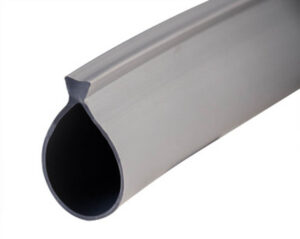
Bulb-Seal Sweeps: These sweeps feature a bulb-shaped seal that creates a tight seal between the door and the floor. They are suitable for doors with a low clearance and can be used in both inward and outward-opening doors.
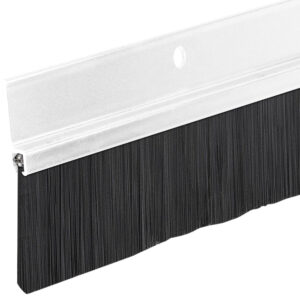
Brush Sweeps: Brush sweeps have a row of bristles that create a seal against the floor. They are effective at preventing drafts and insects from entering the building. Brush sweeps are often used in heavy-duty applications, such as industrial doors.

Shoe-Seal Sweeps: Shoe-seal sweeps have a shoe-shaped seal that fits over the bottom edge of the door. They are typically used in inward-opening doors and are effective at preventing water from entering the building.
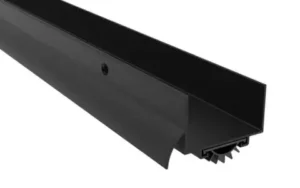
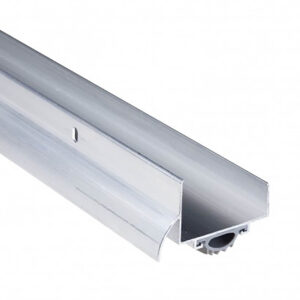
Threshold Sweeps: Threshold sweeps are installed on the floor and create a seal around the bottom of the door. They are often used in conjunction with other types of sweeps to provide additional protection against drafts and water.
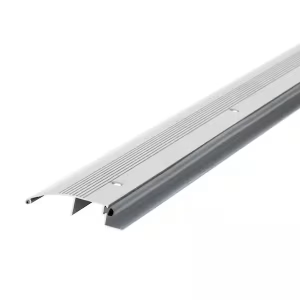
The best type of commercial door sweep for your specific needs will depend on factors such as the type of door, the building’s environment, the desired level of protection and your budget.
Are door sweeps easy to install?
Yes, door sweeps are generally easy to install, and most models come with clear instructions and the necessary mounting hardware. The installation process typically involves a few simple steps.
First, you’ll need to measure the door to ensure the door sweep is the correct length. Some sweeps are adjustable, while others may need to be trimmed to fit. Once you have the correct size, you can attach the sweep. Most door sweeps are either surface-mounted or inserted into a groove at the bottom of the door. You’ll usually use screws, nails, or adhesive strips to secure the sweep in place.
Next, you’ll need to ensure the sweep is properly secured. For surface-mounted sweeps, simply align the sweep with the bottom edge of the door and screw it into place. For brush or automatic sweeps, you may need to attach a special mounting plate or adjust the sweep to ensure it functions properly.
Finally, after installation, test the sweep to ensure it forms a tight seal with the floor. If needed, you can adjust or trim the sweep to ensure the best fit, especially if the floor is uneven. While basic skills and tools (like a screwdriver or drill) are usually sufficient, more complex installations, such as with automatic sweeps or fire-rated doors, may benefit from professional installation.
If you are in need of commercial doors, you’re able to customize them with sweeps & get a price quote here:
Commercial Metal Doors
Commercial Wood Doors
If you have any additional questions about commercial metal doors, email us at [email protected] or give us a call at 800-685-7541 and we’ll be happy to help you out!


