


What Factors Should I Consider When Choosing a Commercial Wood Door?
When choosing a commercial wood door, several factors should be considered to ensure it meets your specific needs and enhances the overall aesthetic and functionality of your building:
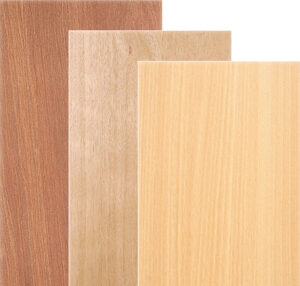
1. Wood Species: When selecting a commercial wood door, the choice of wood species significantly impacts its durability, aesthetics, and maintenance requirements. Hardwoods like oak and mahogany are renowned for their strength and resistance to wear and tear, making them ideal for high-traffic areas. For a more visually appealing option, consider wood species like cherry or walnut, which showcase beautiful grain patterns and rich colors. However, it’s important to note that certain wood species may require more frequent refinishing or sealing to maintain their appearance and protect them from damage.


2. Door Core: The core of a commercial wood door significantly impacts its performance. Solid wood cores offer superior soundproofing and insulation but can be more expensive. Hollow core doors, while more affordable, may not provide the same level of soundproofing or insulation. Engineered wood cores, a popular choice, combine the advantages of both solid and hollow core doors, offering a balance of strength, insulation, and cost-effectiveness.
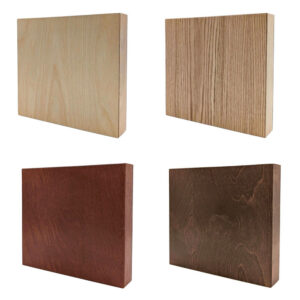
3. Door Finish: The finish of a commercial wood door can significantly impact its appearance and durability. A painted finish offers a durable and customizable option, allowing for a wide range of colors and styles. For a more natural look, a stained finish can enhance the wood’s grain patterns and colors. Veneer, a thin layer of wood applied to a less expensive core, is a cost-effective way to achieve the look of high-end wood species.
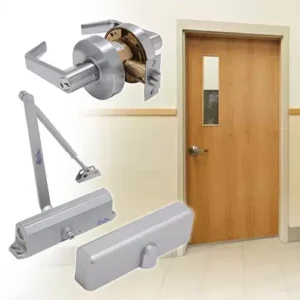
4. Hardware: The hardware used on a commercial wood door plays a crucial role in its overall performance and security. Heavy-duty hinges are essential to support the weight of the door and ensure smooth operation. High-quality locks are necessary to protect the building and its contents. Additionally, the style and functionality of the door handles can impact both aesthetics and usability.
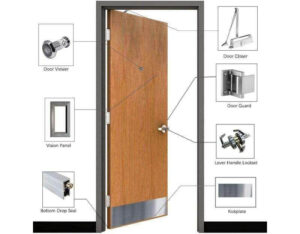
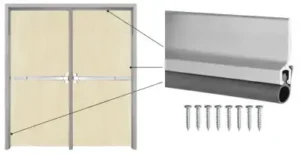
5. Fire Rating: To ensure the safety of your building and its occupants, it’s crucial to select a commercial wood door with an appropriate fire rating. The door should comply with local fire codes and regulations and be able to withstand fire for a specific duration. Consider the specific needs of your building and choose a door with a fire rating that matches those requirements.


6. Soundproofing: Soundproofing can be a critical factor in commercial settings, especially for offices, recording studios, or other spaces requiring noise reduction. If soundproofing is a priority, consider selecting a commercial wood door with a solid wood core, as it offers superior sound insulation compared to hollow core doors. Additionally, incorporating additional soundproofing materials, such as weatherstripping or acoustic seals, can further enhance the door’s ability to reduce noise transmission.
7. Security: Security is a paramount concern for any commercial building. To enhance security, choose a commercial wood door equipped with strong locks and sturdy hinges to deter potential intruders. For added protection, consider incorporating additional security features such as reinforced frames and impact-resistant glass, particularly in high-risk areas or buildings with valuable assets.
8. Weather Resistance: If your commercial wood door is exposed to harsh weather conditions, it’s essential to choose a wood species and finish that can withstand moisture, temperature fluctuations, and other environmental factors. Certain wood species, such as teak and cedar, are naturally resistant to rot and decay. Additionally, applying high-quality weather-resistant finishes, such as marine-grade polyurethane or exterior-grade paint, can further protect the door and extend its lifespan.
By carefully considering these factors, you can select a commercial wood door that is both aesthetically pleasing and functionally sound.


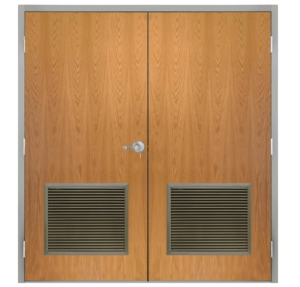
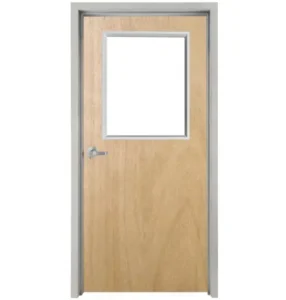
How do I choose the right wood species for my commercial wood door?
When choosing a wood species for your commercial wood door, consider these factors:
- Durability: The durability of a commercial wood door is influenced by the wood species. Hardwoods like oak and mahogany are highly durable, resistant to wear and tear, and ideal for high-traffic areas. While less durable, softwoods like pine can be treated to improve their durability and are often more affordable.
- Aesthetics: The aesthetic appeal of a commercial wood door is influenced by the wood species and finish. Wood species like cherry and walnut exhibit beautiful grain patterns and rich colors, adding elegance and warmth to your space. The chosen finish, whether it’s paint, stain, or veneer, can significantly impact the final appearance of the door.
- Maintenance: Maintenance requirements vary between wood species. While hardwoods like oak and mahogany generally require less maintenance, they may still need periodic refinishing to preserve their appearance. Softwoods, such as pine, often require more frequent maintenance, including sealing or repainting, to protect them from damage and decay.
- Climate and Environment: The climate and environment can significantly impact the performance of a commercial wood door. For exterior doors exposed to the elements, weather-resistant species like teak or cedar are ideal due to their natural resistance to moisture and decay. Interior doors, on the other hand, should be made from stable wood species that are less prone to warping or cracking in indoor environments.
- Budget: Budget is an important consideration when selecting a commercial wood door. The cost of different wood species can vary significantly, with exotic hardwoods often being more expensive than domestic options. It’s essential to balance your budget with your desired level of durability, aesthetics, and maintenance requirements.
By carefully considering these factors, you can select a wood species that meets your specific needs and enhances the aesthetic appeal and functionality of your commercial wood door.
What is the best type of door core for my commercial wood door?
The best type of door core for your commercial wood door depends on your specific needs, such as soundproofing, security, and budget. Here are the three main types of door cores:
- Solid Wood Core: Solid wood core doors offer superior strength and durability, making them ideal for high-traffic areas. They also provide excellent soundproofing and insulation properties, reducing noise transmission between rooms. However, solid wood core doors can be more expensive than other options.
- Hollow Core: Hollow core doors are a more affordable option compared to solid wood core doors. They are lightweight and easy to install. However, hollow core doors offer less soundproofing and insulation, and they may not be as durable as solid wood core doors, especially in high-traffic areas.
- Engineered Wood Core: Engineered wood core doors offer a balance of strength, insulation, and cost-effectiveness. They combine the benefits of solid wood and hollow core doors, providing good soundproofing and durability without the high cost of solid wood. Engineered wood core doors are a popular choice for many commercial applications.
For most commercial applications, an engineered wood core is a popular choice as it offers a good balance of performance and cost. However, if soundproofing is a top priority, a solid wood core may be the best option.
How can I improve the security of my commercial wood door?
To enhance the security of your commercial wood door, consider these key measures:
Robust Hardware: Invest in high-quality, heavy-duty hinges and multi-point locking systems to deter forced entry. Reinforce the door frame with strike plates to prevent damage during break-in attempts.
Enhanced Door Construction: For added security, opt for a reinforced door frame and impact-resistant glass, especially if your door includes glass panels. Consider incorporating additional security hardware like security pins or anti-saw devices.
Integrated Security Systems: Complement your physical security measures with electronic access control systems to limit access to authorized personnel. Install security cameras to monitor activity around the door and deter potential intruders. Connect the door to a security alarm system to alert authorities in case of unauthorized entry.
Regular Maintenance: Regular maintenance is crucial to ensure the optimal performance and security of your commercial wood door. Periodically inspect the door, hinges, and locks for signs of wear and tear. Lubricate moving parts to prevent damage and ensure smooth operation. Address any damage or issues promptly to maintain the door’s security integrity.
If you are in need of commercial wood doors take a look at our wide variety of options here: Commercial Wood Doors
If you have any additional questions about commercial metal doors, email us at [email protected] or give us a call at 800-685-7541 and we’ll be happy to help you out!