


What Are The Most Common Types of Commercial Doors?
The four most common types of commercial doors are hollow metal doors, glass storefront doors, wood doors and fire-rated doors:
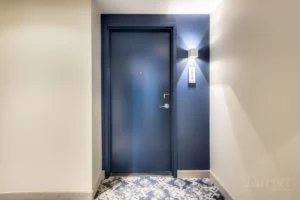
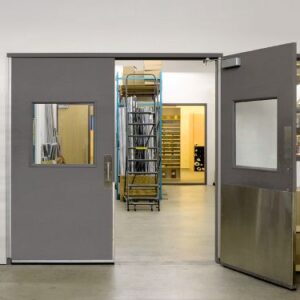
Hollow Metal Doors: These are the most common type of door used in commercial buildings due to their strength, durability, and fire resistance. They can be customized with various finishes and hardware.
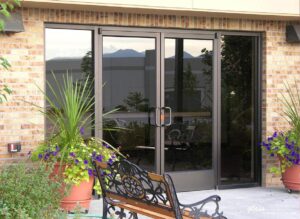
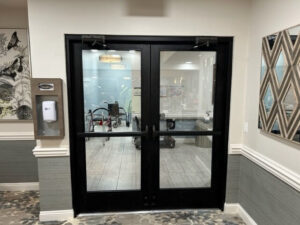
Glass Storefront Doors: Often used for storefronts and office buildings, glass storefront doors offer natural light and a modern aesthetic. They come in various styles, including frameless and framed.
Wood Doors: Wood doors provide a classic and elegant look, but they require regular maintenance. They are most suitable and most commonly used in high-end commercial buildings.
Fire-Rated Doors: Designed to contain fire and smoke, fire-rated doors are required by building codes for specific applications. They come in various materials and core types.
Why are hollow metal doors the most common type of commercial door?
Hollow metal doors are incredibly common in commercial settings due to their numerous advantages:
- Durability: They are highly resistant to damage, making them ideal for high-traffic areas.
- Fire Resistance: They can be rated to withstand fire for extended periods, enhancing safety.
- Security: Their strength and the ability to install robust locks make them a secure choice.
- Versatility: They can be customized with various finishes, hardware, and core materials to meet specific needs.
- Cost-Effective: While the initial cost may be higher, their durability and longevity often make them a cost-effective choice in the long run.
Common uses of hollow metal doors include:
Commercial Buildings: Offices, schools, hospitals, and government buildings often use hollow metal doors for their interior and exterior doors.
Industrial Facilities: Warehouses, factories, and manufacturing plants rely on hollow metal doors for their durability and security.
Retail Spaces: Stores and shopping malls frequently use hollow metal doors for their strength and security.
Institutional Settings: Prisons, courthouses, and other secure facilities often use high-security hollow metal doors.
Overall, hollow metal doors offer a combination of strength, durability, and versatility, making them a popular choice for a wide range of commercial applications.
Take a look at hollow metal doors here: Commercial Hollow Metal Doors


Why are glass storefront doors a commonly used type of commercial door?
Glass storefront doors are a popular choice for commercial buildings for several reasons:
- Enhanced Curb Appeal: Glass doors create a modern and inviting appearance, attracting customers and clients.
- Natural Light: They allow ample natural light to enter the building, reducing the need for artificial lighting and creating a brighter, more welcoming atmosphere.
- Visual Appeal: Glass doors offer clear visibility into the store or office, showcasing products and services.
- Spaciousness: Large glass doors can make a small space appear larger and more open.
- Accessibility: Automatic glass doors can improve accessibility for people with disabilities.
However, it’s important to note that glass doors may not be suitable for all types of businesses, especially those that require high security. In such cases, a combination of glass and solid materials (such as a Commercial Metal Door with Light Kit) can be used to create a secure and visually appealing entrance.
Glass storefront doors are most commonly used in:
- Retail Stores: They provide a clear view of the store’s interior, attracting customers and creating a welcoming atmosphere.
- Restaurants and Cafés: Glass doors can open up the space, allowing for outdoor seating and a more open feel.
- Office Buildings: They offer a modern and professional appearance, while also providing natural light to the interior.
- Hotels and Motels: Glass doors can create a grand entrance and a luxurious feel.
- Art Galleries and Museums: They allow for the display of artwork and exhibits, while also providing a clear view of the interior.
In essence, any business that wants to create a modern, inviting, and visually appealing storefront can benefit from the use of glass storefront doors.
Take a look at glass storefront doors here: Commercial Storefront Doors


Why are wood doors a commonly used type of commercial door?
Wood doors are commonly used in commercial settings due to their aesthetic appeal and durability. They can add a touch of warmth and elegance to any space.
Here are some common places where wood doors are used:
- High-end retail stores: Wood doors can create a luxurious and inviting atmosphere.
- Restaurants and bars: They can add a classic or rustic touch to the interior design.
- Office buildings: Wood doors can be used to create a more traditional and formal look.
- Hotels and resorts: They can enhance the ambiance and create a sense of luxury.
- Historical buildings: Wood doors can help preserve the building’s original character and charm.
It’s important to note that while wood doors can be beautiful and durable, they require regular maintenance to keep them looking their best.
They are also susceptible to damage from moisture and pests, so it’s important to choose a wood species that is well-suited to the climate and environment.
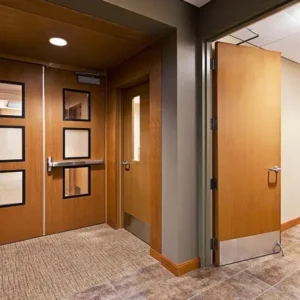
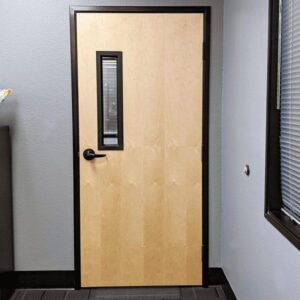
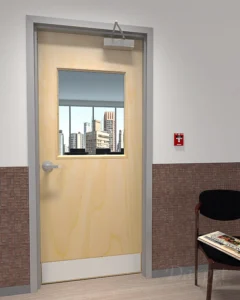
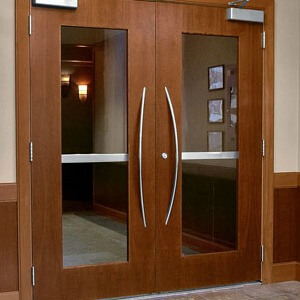
Take a look at wood doors here: Commercial Wood Doors
Why are fire-rated doors a common type of commercial door?
Fire-rated doors are essential for commercial buildings because they significantly enhance fire safety. These doors are designed to contain the spread of fire and smoke for a specific period, giving occupants time to evacuate and firefighters to contain the blaze.
Common locations for fire-rated doors include:
- Stairwells: Fire-rated stairwell doors prevent the vertical spread of fire and smoke, ensuring safe evacuation routes.
- Corridors and Hallways: These doors compartmentalize buildings, limiting the fire’s path.
- Rooms with Hazardous Materials: Rooms containing flammable substances, like chemical storage rooms or server rooms, often require fire-rated doors.
- Elevators and Mechanical Rooms: These areas are critical for building operations and require fire protection.
- Exit Doors: Fire-rated exit doors provide a safe escape route for building occupants.
By strategically placing fire-rated doors throughout a commercial building, owners can significantly reduce the risk of property damage and loss of life in the event of a fire.
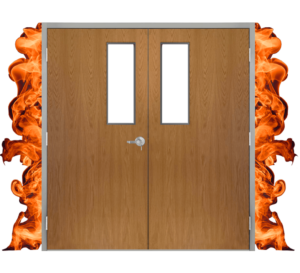
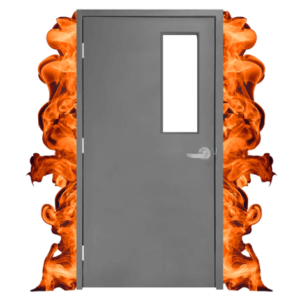
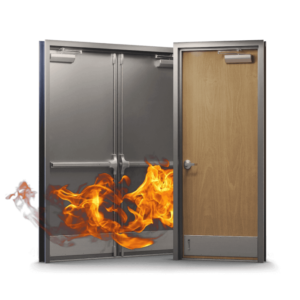
Take a look at different fire-rated doors below:
Fire-Rated Commercial Steel Doors
Fire-Rated Commercial Wood Doors

If you have any additional questions about commercial doors, email us at [email protected] or give us a call at 800-685-7541 and we’ll be happy to help you out!