


Commercial doors often come equipped with key security features to protect property and personnel. These include heavy-duty locks such as mortise or cylindrical locks, reinforced steel or hollow metal construction for durability, and tamper-resistant hinges. Many also feature access control systems like keypads, card readers, or biometric scanners, along with panic bars for emergency exits. Additional options like security glass, door closers, and surveillance integrations further enhance protection and compliance with safety regulations.
What are the most important security features for a commercial door?
- High-Security Locks – Mortise or cylindrical locks provide strong protection against tampering and forced entry.
- Access Control Systems – Keypads, keycards, or biometric scanners limit access to authorized personnel only.
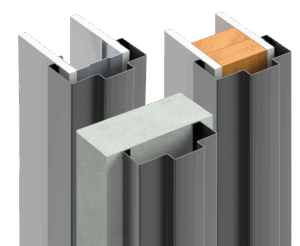
- Reinforced Door and Frame Construction – Steel or hollow metal doors with strong frames resist break-ins and physical damage.
- Tamper-Resistant Hinges – These prevent removal of the door from the outside, especially important for outswing doors.
- Panic Hardware – Allows safe emergency exit while keeping the door secure from the outside.
- Security Glass (if applicable) – Laminated, wire-mesh, or polycarbonate glass resists impact and break-ins.
- Surveillance Integration – Cameras or door sensors can monitor activity and deter intruders.
Together, these features create a strong defense against unauthorized access while meeting safety and code requirements.
Are access control systems better than traditional locks?
Access control systems are generally more secure and convenient than traditional locks, particularly in commercial environments where managing access for multiple people is essential. Traditional locks rely on physical keys, which can easily be lost, copied, or stolen, posing security risks and requiring costly rekeying. In contrast, access control systems use keycards, PIN codes, biometrics, or mobile credentials, offering a higher level of control and flexibility.
One major advantage of access control is the ability to track who enters and exits a building, creating an audit trail that enhances accountability. Access permissions can be updated or revoked instantly, which is especially useful when employees leave or change roles. Many systems also allow for remote management, enabling business owners or security personnel to unlock doors or modify access settings from anywhere. While traditional locks still have a role—often serving as a backup or being used in combination with electronic systems—access control provides a modern, scalable solution that better meets the evolving security needs of commercial spaces.
What kind of door material is best for security?
Steel or hollow metal doors are widely considered the best materials for commercial door security. These doors offer superior strength, durability, and resistance to forced entry compared to wood, aluminum, or fiberglass. Steel doors are difficult to kick in, cut through, or damage, making them ideal for exterior entrances and high-risk areas. Hollow metal doors, often filled with steel stiffeners, honeycomb cores, or insulation, provide both security and energy efficiency. When paired with a reinforced frame and proper hardware, steel doors create a robust barrier that can withstand heavy use and attempted break-ins. While other materials may be suitable for interior use or aesthetic purposes, steel remains the top choice when security is the primary concern.

How do panic bars affect door security?
Panic bars, also known as crash bars or exit devices, are designed to allow fast, safe egress during emergencies while maintaining door security from the outside. They enhance safety by enabling occupants to exit quickly without keys or complicated mechanisms, which is crucial in situations like fires or power outages. From a security standpoint, panic bars keep the door securely latched on the exterior, preventing unauthorized entry. Many panic bars can also be equipped with alarms or connected to access control systems to monitor use and deter misuse. While their primary function is life safety, when properly installed and maintained, panic bars contribute to a building’s overall security without compromising emergency accessibility.
Can glass doors be secure?
Yes, glass doors can be secure when designed with the right materials and reinforcements. Security glass options like laminated glass, wire-mesh glass, and polycarbonate glazing provide strong resistance to breakage, impact, and forced entry. These materials are commonly used in storefronts and entryways where visibility is important but security cannot be compromised. Additionally, secure glass doors are often installed with reinforced frames, high-quality locks, and intrusion-resistant film or coatings to further enhance protection. When properly constructed and paired with features like access control or surveillance, glass doors can offer both transparency and robust security for commercial settings.
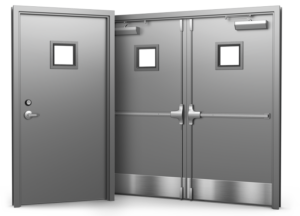
Metal doors with glass panels offer a secure alternative to all-glass commercial doors by combining the strength and durability of metal with the visibility of glass. The metal frame provides a robust barrier against forced entry, while the glass panels—when made from laminated or reinforced security glass—resist impact and breakage. This combination enhances security without sacrificing natural light or aesthetic appeal, making metal doors with glass panels a balanced choice for businesses seeking both protection and openness.


What is a tamper-resistant hinge?
A tamper-resistant hinge is a specially designed door hinge that helps prevent unauthorized removal or tampering, particularly from the outside. These hinges are commonly used on outswing commercial doors, where the hinge pins are exposed and could otherwise be a vulnerability. Tamper-resistant features may include non-removable pins, set screws, welded pin tabs, or security studs that lock the two hinge leaves together when the door is closed. These mechanisms make it extremely difficult to lift the door off its hinges or dismantle it without proper tools and access. By securing the hinge side of the door, tamper-resistant hinges play a crucial role in strengthening overall door security.
How can I make an existing commercial door more secure?
To make an existing commercial door more secure, start by upgrading the locking system to high-quality, heavy-duty locks such as mortise or electronic access controls. Reinforcing the door frame with metal plates or strike guards can help prevent forced entry at vulnerable points. Adding tamper-resistant hinges or hinge bolts will protect the door from being lifted or removed. Installing security hardware like latch guards, door alarms, or surveillance cameras around the entry point can further deter intruders. If the door has glass panels, consider replacing them with laminated or reinforced security glass or applying security film to increase resistance to breakage. Regular maintenance and inspections are also important to ensure all components are functioning properly and to address any wear that could compromise security.
Do commercial doors need regular security maintenance?
Yes, commercial doors require regular security maintenance to ensure they continue to function properly and provide effective protection. Over time, locks can wear out, hinges may loosen, weather seals can degrade, and hardware might become misaligned, all of which can create vulnerabilities. Routine inspections help identify issues like damaged components, corrosion, or gaps that could be exploited by intruders. Regular maintenance also ensures compliance with safety and fire codes, especially for doors equipped with emergency exit hardware. By keeping door systems in good working order through scheduled checks and timely repairs, businesses can maintain strong security and avoid costly replacements or breaches.
Take a look at our wide variety of commercial doors here: Commercial Doors
If you have any additional questions about commercial doors, email us at [email protected] or give us a call at 800-685-7541 and we’ll be happy to help you out!