


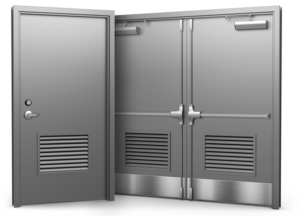
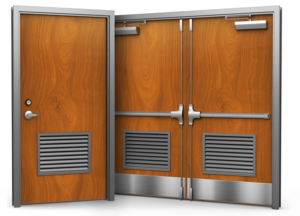
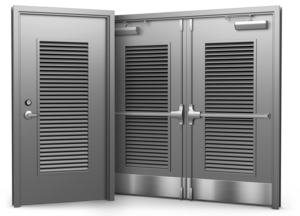
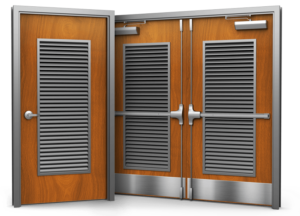
Louvers can often be added to many commercial metal doors, but not all doors are compatible. The ability to add louvers depends on the door’s material, construction, and manufacturer specifications. It’s important to consult with the door manufacturer or a professional installer to ensure the door can accommodate louvers without compromising structural integrity, fire ratings, or warranty coverage.
Are there maintenance differences between single and double-louvered doors?
Maintenance for single and double-louvered doors is generally similar and involves keeping the louvers clean and free of debris to ensure proper airflow. However, double-louvered doors may require slightly more frequent cleaning since they have ventilation openings on both sides, which can accumulate dust or dirt more quickly. Regular inspections help maintain performance and prevent blockages regardless of the louver type.
How do I decide which louvered door fits my building code requirements?
To decide which door fits your building code requirements, start by reviewing local building and fire safety codes related to ventilation, fire ratings, accessibility, and security for your specific type of facility. Consult with building inspectors, architects, or door manufacturers who are familiar with these regulations. Additionally, ensure the door’s certifications, such as fire ratings, match the code mandates for your application. Professional guidance helps ensure your door choice meets all legal and safety standards.
Take a look at metal doors with louvers here: Commercial Metal Doors with Louvers
Also, take a look at wood doors with louvers here: Commercial Wood Doors with Louvers