


How Strong and Durable is a Hollow Metal Door Frame?
A hollow metal door frame is known for being extremely strong and durable, making it an ideal choice for high-security and high-traffic areas. These frames are designed to withstand a variety of physical forces, including impact, weather, and wear over time.
Hollow metal door frames are made from steel, a material known for its strength and resilience. The frame’s steel construction allows it to withstand significant force, including impacts, heavy use, and harsh environmental conditions. These frames are especially strong compared to wood or aluminum frames and can resist damage from everyday wear and tear.
They are also incredibly durable and are built to last for decades. They are resistant to wear and tear, including damage from impact, weather, and heavy traffic. These frames don’t warp or rot like wooden frames and require minimal maintenance, which contributes to their long lifespan.
Overall, hollow metal door frames are extremely strong and durable, making them a top choice for securing buildings, protecting valuable assets, and ensuring long-lasting performance.
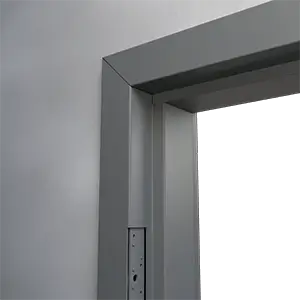
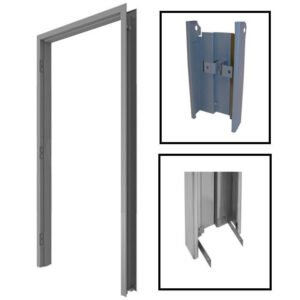
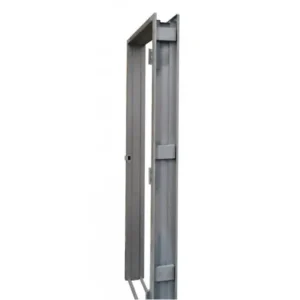
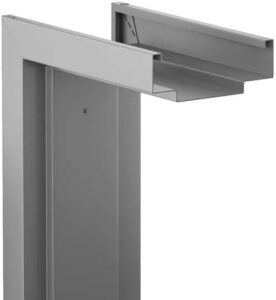
Which factors contribute to a hollow metal door frame’s strength and durability?
Several factors contribute to the strength and durability of a hollow metal door frame. These factors ensure that the frame is resistant to damage, wear, and environmental factors, making it a reliable choice for high-security and high-traffic applications. Here are the key factors:
Material Quality: The primary material used for hollow metal door frames is steel, known for its strength and durability. Cold-rolled steel is commonly used for its consistency and resistance to deformation. Some frames are made from galvanized steel, which is coated with a layer of zinc to prevent rust and corrosion, enhancing their resilience in harsh environments.
Reinforcement Design: Hollow metal frames can include reinforcements in critical areas, such as the corners and sides of the frame, which add extra strength. Double walls or insulated cores can also be incorporated to make the frame more robust, preventing deformation and improving its ability to withstand impacts and other physical stresses.
Frame Construction: The welding and joining techniques used in the construction of the frame play a significant role in its overall strength. Welded seams and continuous welding at key connection points provide a solid, seamless structure that is resistant to forces that might otherwise cause weakness at the joints.
Corrosion Resistance: Frames made with galvanized steel or stainless steel are highly resistant to corrosion caused by moisture, rain, and humidity. Stainless steel is especially durable in environments exposed to chemicals or extreme weather, ensuring that the frame will not weaken over time. Protective coatings like powder coating also contribute to the frame’s resistance to rust and wear.
Impact Resistance: Hollow metal door frames are designed to withstand impact from heavy use, such as slamming doors, high-traffic areas, or equipment impacts. The strength of the material and construction ensures that the frame maintains its integrity, even in environments like hospitals, warehouses, or schools where high volumes of foot traffic are common.
Security Features: Security features like reinforced locks, tamper-resistant hinges, security anchors, and additional steel reinforcement can significantly enhance the strength and resistance to forced entry. These features help prevent tampering and unauthorized access, making the frame much more secure.
Fire Resistance: Many hollow metal door frames are specifically designed to be fire-rated, meaning they are constructed to withstand high temperatures for a designated period. These frames are usually thicker and made with additional fire-resistant materials to maintain their structural integrity in the event of a fire.
Environmental Protection: For frames exposed to extreme weather conditions, such as coastal areas with saltwater or industrial environments, using special coatings or weatherproofing techniques adds a layer of protection against corrosion, wear, and UV damage. These coatings help maintain the frame’s appearance and performance over time.
Maintenance and Longevity: Due to their durable design and materials, hollow metal door frames generally require minimal maintenance. This contributes to their long lifespan, as they are less likely to deteriorate or need frequent repairs compared to other frame types like wooden frames.
These factors combine to make hollow metal door frames exceptionally strong, durable, and reliable, capable of withstanding various environmental, physical, and security challenges.
Can hollow metal door frames resist forced entry?
Yes, hollow metal door frames are highly resistant to forced entry, which is one of the reasons they are commonly used in high-security environments. Their strength and durability make them effective at deterring and withstanding attempts to break through or tamper with the door system.
The primary factor contributing to their resistance is the strong material construction. Hollow metal door frames are typically made from steel, which is much stronger than materials like wood or aluminum. Steel’s inherent strength makes it difficult for intruders to break, bend, or manipulate the frame. Even if an intruder attempts to force the door open, the frame’s steel construction provides significant resistance to such efforts.
Many hollow metal door frames also feature reinforced design elements, especially around critical areas like the corners, hinges, and locking mechanisms. Some frames have double-wall construction or internal reinforcements that make them more resistant to pressure and impact. These reinforcements prevent the frame from warping or failing under force, making it more difficult to break through.
In addition, hollow metal door frames are often paired with high-security hardware, such as reinforced locks, tamper-resistant hinges, and security anchors. These components make it even harder for unauthorized individuals to force their way through the door. The frame’s ability to securely hold this hardware contributes significantly to its overall resistance to forced entry.
Frames can also include anti-tamper features, such as welded hinges and hidden fasteners, making it more difficult to remove or disable the frame from the outside. These features deter attempts to disassemble or pry open the frame, further enhancing its security.
Some hollow metal door frames are designed to be fire-rated and can withstand extreme conditions, including intense heat and pressure. These fire-rated frames not only offer protection from fire but are also highly resistant to forced entry in emergencies, adding an extra layer of security.
Finally, hollow metal door frames are designed to resist impacts, such as battering ram or vehicle collisions. Their construction can absorb and distribute the energy of such impacts, reducing the chance of failure and maintaining their security integrity.
Overall, hollow metal door frames are an excellent choice for areas that require high-security measures due to their strength, resistance to forced entry, and compatibility with additional security features. When combined with the right door and hardware, they form a formidable barrier against unauthorized access.
Are hollow metal door frames fire-resistant?
Yes, hollow metal door frames can be fire-resistant, and this is one of the key advantages they offer in buildings that require enhanced safety. These frames are specifically designed to withstand high temperatures for a certain period, preventing the spread of fire between different sections of a building.
The primary feature contributing to their fire resistance is their fire-rated construction. Hollow metal door frames are often made with fire-rated materials that are built to endure fire for a specified amount of time. These frames typically have a thicker metal structure compared to standard frames, which helps maintain their integrity during a fire. When paired with a fire-rated door, the entire system is tested to meet fire-resistance standards.
Most hollow metal door frames are made from steel, a material that is naturally more fire-resistant than wood or aluminum. Many fire-rated hollow metal frames also include an insulated core, often made from materials like mineral core or fire-resistant board, which further enhances their fire resistance. The insulation helps the frame maintain its structural integrity for longer, providing more time for evacuation in case of fire.
Hollow metal door frames can be rated by organizations such as Underwriters Laboratories (UL) for their fire-resistance. These ratings indicate how long the frame can withstand fire before it begins to fail. Common fire-resistance ratings for these frames include 20, 45, 60, or 90 minutes, meaning they can withstand fire for that duration without significant damage.
Additionally, some fire-resistant hollow metal door frames are equipped with fire-rated seals and gaskets around the edges. These seals expand when exposed to heat, helping to block smoke and heat transfer, further preventing the spread of fire through the door opening.
Fire-resistant hollow metal door frames must also meet national and local building code requirements, such as NFPA 80 (National Fire Protection Association) standards, ensuring they provide reliable protection in case of fire. These frames are designed to perform well in a range of fire safety applications, from commercial and industrial buildings to high-rise apartments.
In summary, hollow metal door frames can be fire-resistant and play an essential role in fire safety systems. When paired with a fire-rated door and installed with fire-rated hardware, they help contain fires and limit damage, providing occupants with more time to evacuate.
Are hollow metal door frames resistant to weather?
Yes, hollow metal door frames are generally resistant to weather, making them an excellent choice for both interior and exterior applications. The material and construction methods used in these frames help protect them from various environmental conditions, ensuring their durability and longevity. Here’s how hollow metal door frames handle weather resistance:
Corrosion Resistance: Many hollow metal door frames are made from galvanized steel or stainless steel, which are highly resistant to rust and corrosion. Galvanized steel is coated with a layer of zinc that provides a protective barrier against moisture, while stainless steel is naturally resistant to corrosion, making it ideal for areas with high humidity, salt exposure (such as coastal areas), or frequent rainfall. These materials help maintain the frame’s strength and appearance over time, even in challenging weather conditions.
Weatherproof Coatings: To further enhance weather resistance, hollow metal door frames can be finished with protective coatings such as powder coating or paint. Powder coating is particularly effective at creating a durable, weather-resistant surface that resists fading, chipping, and corrosion. These coatings also provide a smooth surface that makes it harder for dirt and moisture to accumulate, contributing to the frame’s long-term durability.
Insulated and Energy-Efficient Options: For exterior applications, some hollow metal door frames come with insulated cores or foam-filled cavities. These features help improve energy efficiency by reducing heat transfer, which is beneficial in both hot and cold climates. The insulation also contributes to weather resistance by keeping the frame’s internal structure protected from extreme temperatures and moisture.
Sealing and Weatherstripping: Hollow metal door frames can be equipped with weatherstripping around the edges of the door to create a tight seal when the door is closed. This weatherstripping prevents drafts, water infiltration, and heat loss, ensuring the frame and door remain energy-efficient and weather-resistant. Seals are especially important for areas that experience heavy rain, snow, or fluctuating temperatures.
Durability in Harsh Environments: In addition to corrosion resistance, hollow metal door frames can handle exposure to other harsh environmental factors, such as UV rays and extreme temperature fluctuations. The steel material remains stable and does not warp or degrade like wooden frames when exposed to these elements, making it a more reliable option for buildings in areas with severe weather.
In summary, hollow metal door frames are highly resistant to weather conditions, thanks to their corrosion-resistant materials, protective coatings, and insulated options. These features make them a durable and reliable choice for both interior and exterior applications, ensuring that the frame maintains its structural integrity and appearance over time, even in challenging environmental conditions.
Can hollow metal door frames handle heavy traffic?
Yes, hollow metal door frames are well-suited for heavy traffic due to their strong and durable construction. Made from steel, these frames are more resilient than other materials like wood or aluminum, allowing them to withstand the stress and impacts caused by frequent use.
The frames often feature reinforcements in key areas such as the hinges and lock points, ensuring they maintain their integrity under heavy use. These reinforcements prevent wear and tear, making them ideal for high-traffic environments like schools, hospitals, and commercial buildings.
Hollow metal door frames also offer impact resistance. Their hollow metal construction allows them to absorb and distribute the force from repeated impacts, such as slamming doors or accidental bumps, without warping or breaking.
These frames are designed to support heavy-duty doors, such as fire-rated or security doors, and require minimal maintenance. With regular cleaning and occasional touch-ups, they can handle years of heavy use without compromising performance.
In summary, hollow metal door frames are durable and long-lasting, making them a reliable choice for high-traffic areas. Their strength and resistance to wear ensure they can endure constant use in commercial and public spaces.
How long do hollow metal door frames last?
Hollow metal door frames are known for their long lifespan and durability, often lasting decades with proper maintenance. The exact lifespan can vary depending on several factors, including the materials used, environmental conditions, and level of maintenance. Here’s an overview of what influences the longevity of hollow metal door frames:
- Material Quality: The material used in the construction of the frame plays a significant role in its longevity. Frames made from galvanized steel or stainless steel are especially durable. Galvanized steel, which is coated with a layer of zinc to prevent rust, can last 30 years or more in many environments. Stainless steel is even more resistant to corrosion and can last for 50 years or more, especially in harsh conditions like coastal areas with salt exposure.
- Protective Coatings: Hollow metal door frames that are treated with protective coatings, such as powder coating or paint, can last longer than those without. These coatings provide an extra layer of protection against rust, fading, and other forms of wear. A well-maintained powder-coated frame can last 25-40 years depending on the exposure to environmental factors like UV rays, moisture, and temperature changes.
- Environmental Conditions: Frames that are exposed to harsh weather conditions, such as high humidity, saltwater (in coastal areas), or extreme temperature fluctuations, may experience wear and tear more quickly than those in milder environments. However, frames made from stainless steel or galvanized steel are specifically designed to withstand these harsh conditions, extending their lifespan significantly. In extreme environments, regular maintenance and touch-ups on coatings or seals may be required to ensure longevity.
- Maintenance and Care: Proper maintenance plays a crucial role in extending the lifespan of hollow metal door frames. Routine inspections, cleaning, and reapplication of protective coatings or weatherstripping can prevent damage and corrosion. Keeping the door frame well-maintained can significantly increase its service life, sometimes by as much as 10-20 years or more.
- Usage and Impact: The amount of use a door frame receives also impacts its lifespan. Frames in high-traffic areas may experience more wear and tear, leading to potential damage over time. However, the sturdy construction of hollow metal door frames makes them well-suited to handle frequent use. Reinforcements in critical areas like hinges and lock points add strength, making them resistant to daily stress and impacts.
- Fire-Rated Frames: If the hollow metal door frame is fire-rated, it is constructed with additional fire-resistant materials that help it maintain its integrity in extreme conditions. A fire-rated frame can last up to 50 years or more, especially when properly maintained, and provides added value in terms of safety and durability.
On average, hollow metal door frames can last anywhere from 25 to 50 years, depending on the factors mentioned above. With regular maintenance, such as cleaning, painting, and sealing, these frames can serve well beyond 50 years in many applications.
In conclusion, hollow metal door frames are built to last a long time, often outlasting other types of door frames when properly maintained. Their durability, corrosion resistance, and ability to handle high traffic make them an excellent long-term investment for both residential and commercial buildings.
If you are in need of hollow metal door frames, take a look here: Hollow Metal Door Frames
You can also take a look at our many commercial door options here: Commercial Doors