


How Secure is a Commercial Wood Door?
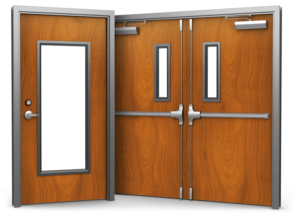
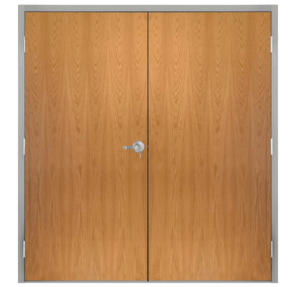
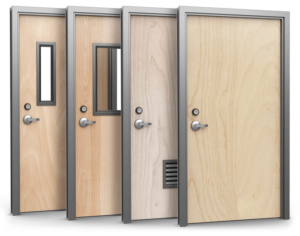
A commercial wood door can be quite secure, but its security depends on several factors such as the door’s construction and materials, the door frame and installation, locking mechanisms, and additional reinforcements. Commercial wood doors are the most secure when made with solid-core construction and paired with strong locks, reinforced frames, and additional security features.
What type of commercial wood door is the most secure?
The most secure type of commercial wood door is a solid-core door with a mineral core or stave core construction, reinforced with steel edges and heavy-duty locks. Mineral core doors offer superior fire resistance (up to 90 minutes) and high-density protection against forced entry, making them ideal for commercial and high-security environments. Stave core doors, made from laminated wood blocks, provide exceptional strength and durability, resisting warping over time. For maximum security, these doors should be paired with steel frames, reinforced strike plates, and mortise locks to enhance resistance against break-ins. Hollow-core wood doors are weaker and not recommended for security-sensitive areas.
Which factors impact the security of a commercial wood door?
1. Door Construction & Material: The construction and material of a commercial wood door play a significant role in its strength and security. Solid-core wood doors, often made with materials like particleboard, stave core, or mineral core, are much stronger and more secure than hollow-core doors. Solid-core doors provide better resistance to forced entry and offer increased durability. Additionally, some commercial wood doors feature a fire-rated core, such as a mineral core, which not only enhances fire resistance but also improves the door’s overall strength, making it more resistant to damage and break-ins.
2. Door Frame & Installation: The door frame and installation are crucial factors in enhancing the security of a commercial wood door. Metal frames provide better security than wood frames, as they are more resistant to breaking or tampering. When wood doors are installed in steel frames, they are more durable and secure. Additionally, proper anchoring is essential for maximizing security. Securing the door to the frame with heavy-duty hinges and reinforced strike plates ensures that the door remains firmly in place, making it more resistant to forced entry. These installation details significantly improve the door’s overall strength and security.
3. Locking Mechanism: The locking mechanism is a critical component in securing a commercial wood door. Heavy-duty mortise locks are more secure than standard cylindrical locks and are commonly used in commercial settings for their strength and resistance to tampering. Additionally, reinforced strike plates with long screws enhance the door’s resistance to forced entry by providing extra support at the point of contact between the door and frame. For added security, electronic access control systems, such as keycard or biometric locks, offer an extra layer of protection, allowing for more controlled and monitored access to the premises.
4. Additional Reinforcements: Additional reinforcements can significantly enhance the security of a commercial wood door. Steel edge wraps are added to the door edges to increase resistance against forced entry, making it more difficult to pry open. Additionally, installing security film on windows or adding metal kick plates at the bottom of the door provides further protection by preventing easy break-ins through force or prying. These reinforcements strengthen the door’s overall durability and improve its resistance to tampering.
5. Vulnerability to Forced Entry: While commercial wood doors are secure, they are more vulnerable to forced entry than metal doors. If security is a top priority, hollow metal doors or steel-reinforced wood doors might be better alternatives.
How can I improve the security of a commercial wood door?
You can improve the security of a commercial wood door by reinforcing its structure, upgrading its hardware, and enhancing its resistance to forced entry.
- Upgrade the Locking System: Install a heavy-duty mortise lock, which is more secure than a standard cylindrical lock. Consider electronic access control (keypads, keycards, or biometric locks) for added security.
- Reinforce the Door Frame: Use a steel door frame instead of a wood frame, as it is much stronger and more resistant to forced entry. Adding a reinforced strike plate with long screws will also prevent kick-ins.
- Use a Steel Edge Wrap: Wrapping the edges of the door with steel reinforcement prevents splitting or prying and significantly increases security.
- Add a Security Plate or Kick Plate: Installing a metal security plate over the lock area or a kick plate at the bottom helps protect against forced entry attempts.
- Install Heavy-Duty Hinges: Use security hinges with non-removable pins to prevent tampering. Reinforcing the hinge side with hinge bolts also makes it harder to remove the door.
- Use a High-Security Core Door: If possible, choose a solid-core wood door with a mineral core or stave core, which are denser and more resistant to break-ins than hollow-core or standard wood doors.
- Consider Security Film or Metal Grilles: If the door has windows, apply shatter-resistant security film or use metal grilles to prevent easy access.
- Ensure Proper Installation: Even the best security features won’t help if the door isn’t installed correctly. Make sure it is properly anchored to the frame and that there are no gaps that could be exploited.
By implementing these reinforcements, you can significantly enhance the security of a commercial wood door and protect your property from unauthorized access.
Are wood doors as secure as metal doors?
No, wood doors are generally not as secure as metal doors, but they can still provide strong protection if properly reinforced.
Strength & Durability: Metal doors, especially steel, are naturally stronger and more resistant to forced entry, dents, and weather-related damage. In contrast, solid-core wood doors, particularly those with a mineral or stave core, offer good security but are still more vulnerable to splitting or breaking under extreme force.
Resistance to Forced Entry: Steel doors are significantly harder to break down, pry open, or kick in due to their rigid construction. While solid-core wood doors provide decent security, they can crack or split over time, especially if they are not reinforced with steel edges or security plates.
Fire & Weather Resistance: Metal doors typically have better fire resistance and weather durability, making them ideal for high-security and exterior applications. Wood doors, on the other hand, can warp, expand, or deteriorate over time due to moisture and temperature changes unless they are properly sealed and maintained.
Aesthetic & Customization: One advantage of wood doors is their warm, high-end aesthetic. They can be customized with different finishes, veneers, and styles to match commercial interiors. Metal doors, while more industrial-looking, can be coated or painted to blend with different designs.
If you prefer a wood door but want maximum security, consider choosing a solid-core wood door with a mineral or stave core, adding a steel edge wrap to prevent splitting, installing heavy-duty mortise locks and reinforced strike plates, and using a steel or reinforced door frame for added strength.
For high-security areas, steel or metal doors are the best option. However, a well-reinforced solid-core wood door with proper security features can still provide excellent protection for commercial spaces.
Can a commercial wood door be fire-rated?
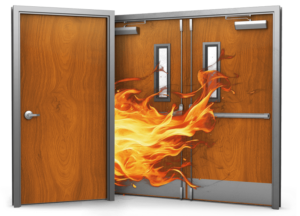
Yes, a commercial wood door can be fire-rated, depending on its core material and construction. Fire-rated wood doors are designed to slow the spread of fire and smoke, providing additional safety in commercial buildings.
Types of Fire-Rated Wood Doors:
- Mineral Core Wood Doors: The most fire-resistant option, these doors have a non-combustible mineral core and can achieve fire ratings of up to 90 minutes.
- Particleboard Core Wood Doors: A more affordable option, typically offering 20-45 minute fire ratings when properly constructed.
- Stave Core Wood Doors: Made with solid wood blocks, these doors can also be fire-rated, though their resistance varies depending on additional reinforcements.
- Structural Composite Lumber (SCL) Core Doors: Highly durable and capable of achieving fire ratings up to 60 minutes.
To ensure a wood door is fire-rated, it must have a fire label certification from organizations like UL (Underwriters Laboratories) or WHI (Warnock Hersey). Additionally, the door should be paired with a fire-rated frame, hinges, and seals to maintain its fire resistance. Intumescent seals, which expand in high heat to block smoke and flames from spreading through gaps, are also essential for maintaining the door’s fire rating.
Common fire ratings for commercial wood doors include 20-minute fire doors, which are typically used for corridors and office spaces; 45-60 minute fire doors, suitable for stairwells and hazardous areas; and 90-minute fire doors, ideal for high-risk commercial settings such as warehouses and industrial buildings.
If you need a fire-rated commercial wood door, look for certified options with the necessary fire-resistant features.
Are commercial wood doors prone to warping or damage?
Yes, commercial wood doors can be prone to warping or damage, especially if they are exposed to moisture, temperature changes, or poor maintenance. However, the degree of vulnerability depends on the type of wood, construction, and the environment in which the door is used.
Factors Contributing to Warping or Damage:
- Moisture Exposure: Wood is naturally porous, and when it absorbs moisture, it can expand, contract, or warp. This is particularly problematic in areas with high humidity or frequent temperature changes.
- Temperature Fluctuations: Significant shifts in temperature can cause the wood to expand and contract, potentially leading to warping over time. This is common in buildings with inadequate climate control.
- Poor Maintenance or Sealing: Wood doors need to be properly sealed to protect them from moisture and environmental damage. Without proper maintenance, wood can degrade, swell, or crack.
- Low-Quality Materials: Doors made with low-quality wood or construction (such as hollow-core wood doors) are more susceptible to damage and warping compared to solid-core or reinforced doors.
To prevent warping or damage, it’s important to seal the door properly by applying a high-quality finish and sealant, which can protect it from moisture and temperature fluctuations. Additionally, opting for solid-core doors, particularly those with mineral or stave cores, can make the door more durable and less prone to warping compared to hollow-core doors. Installing the door in areas with consistent temperature and humidity levels will further reduce the risk. Lastly, performing regular maintenance by periodically inspecting the door for signs of wear, moisture, or cracks can help address any issues early and prevent further damage.
While commercial wood doors can be prone to warping or damage, taking these preventative steps can extend their lifespan and maintain their security and functionality.
Is a reinforced wood door a good alternative to a metal door?
A reinforced wood door can be a good alternative to a metal door, depending on the specific needs of your space and security requirements. While metal doors typically offer superior security, durability, and fire resistance, reinforced wood doors can still provide a strong, cost-effective solution with proper reinforcement.
Advantages of Reinforced Wood Doors:
- Cost-Effective: Reinforced wood doors are typically more affordable than metal doors, making them a good option for businesses with budget constraints.
- Aesthetic Appeal: Wood doors offer a more warm, natural aesthetic, which can be ideal for offices, retail spaces, or areas where design is a priority. They can be customized with various finishes to match the decor.
- Lightweight: Wood doors are generally lighter than metal doors, which can make them easier to handle and install. This is particularly useful in locations where ease of movement or handling is important.
- Good Security with Reinforcements: When properly reinforced with features like steel edge wraps, heavy-duty locks, and security plates, reinforced wood doors can provide a strong level of protection. These upgrades make the door more resistant to forced entry compared to standard wood doors.
- Fire-Rating Options: Some reinforced wood doors come with fire-resistant cores (such as mineral or stave cores), which can provide adequate fire resistance in certain applications. While not as fire-resistant as metal doors, they can meet the needs of many commercial buildings.
Disadvantages of Reinforced Wood Doors:
- Less Impact Resistance: Metal doors are typically more resistant to impacts, dents, and extreme conditions like high winds, making them better suited for high-security or industrial environments.
- Moisture and Temperature Sensitivity: Wood is more prone to damage from moisture and temperature fluctuations, which can cause warping, cracking, or swelling. This is less of a concern with metal doors, which are more stable in varying environmental conditions.
- Security in High-Security Areas: For areas that require maximum security, such as vaults or high-risk zones, metal doors are usually a better choice due to their strength and durability.
A reinforced wood door can be a good alternative to a metal door if you are looking for a balance of security, aesthetics, and cost-effectiveness. However, for high-security applications or areas exposed to extreme conditions, a metal door may be the better choice. Reinforced wood doors, with proper upgrades, can meet many commercial needs, but their security and durability will still typically be below that of a metal door.
If you are in need of commercial wood doors, take a look at our wide variety here: Commercial Wood Doors