


Commercial doors should be inspected regularly to ensure safety, security, and proper operation. Industry standards recommend a thorough inspection at least once a year, with more frequent checks (such as quarterly or monthly) recommended for high-traffic or high-security areas. Regular inspections help identify wear, damage, or malfunctions early, ensuring compliance with building codes, fire safety regulations, and prolonging the door’s lifespan.
Why are regular inspections important for commercial doors?
Regular inspections are important for commercial doors because they help identify problems like wear, damage, or malfunction early before they lead to safety hazards or costly repairs. Inspections ensure doors operate smoothly, maintain security, comply with fire and building codes, and protect occupants in emergencies. Routine checks also extend the lifespan of the doors and their hardware by enabling timely maintenance.
Are there situations that require more frequent inspections?
Yes, certain types of doors require more frequent inspections than others. Such as:
- Fire-Rated Doors: Fire-rated doors are crucial for safety and must be inspected annually to ensure they function properly. They should be checked for damage, proper closing and latching mechanisms, and any obstructions that could hinder their operation.
- High-Traffic Doors: Doors in areas with heavy foot traffic, such as main entrances and exits, may require more frequent inspections, perhaps quarterly or semi-annually. These doors are subjected to more wear and tear, so regular checks can help identify and address potential issues early on.
- Doors in Harsh Environments: Doors exposed to extreme weather conditions, such as those in coastal or industrial areas, may need more frequent inspections to assess for damage from wind, rain, or corrosive elements.
By prioritizing regular inspections for these specific door types, you can help maintain the safety, security, and energy efficiency of your commercial building.
What should be checked during a door inspection?
- Visual Inspection: A visual inspection should involve checking for any signs of damage, such as dents, scratches, or cracks. Additionally, look for signs of wear and tear, including faded paint, rust, or corrosion. Finally, inspect the door frame for any damage or misalignment.
- Hardware Inspection: A hardware inspection should involve examining hinges, locks, and handles for proper functioning and security. Ensure that all hardware is securely fastened and free of damage. Lubricate any moving parts, such as hinges and lock mechanisms, to prevent friction and ensure smooth operation.
- Weatherstripping Inspection: A weatherstripping inspection involves checking the condition of weatherstripping around the door frame. Replace any damaged or worn weatherstripping to improve energy efficiency and prevent air leaks.
- Fire Door Inspection (if applicable) : A fire door inspection involves verifying that the fire door’s label is intact and legible. Check the door’s closing and latching mechanisms to ensure they function properly. Inspect the door’s fire-rated components, such as the core and frame, for any damage.
- Safety Device Inspection (for automatic doors) : A safety device inspection for automatic doors involves testing the safety sensors and edges to ensure they function correctly. Additionally, check the door’s opening and closing speed to ensure it operates within safe limits.
By conducting regular inspections and addressing any issues promptly, you can help maintain the safety, security, and energy efficiency of your commercial building.
Who should perform commercial door inspections?
Commercial door inspections should be performed by qualified maintenance personnel or professional door service technicians who understand door hardware, safety standards, and building codes. For fire-rated or specialized doors, it’s important that inspectors have specific training or certifications to ensure compliance with regulations and proper functioning during emergencies.
Can inspections help prevent costly repairs?
Yes, inspections can help prevent costly repairs by identifying issues like worn hardware, misalignment, or damage early before they worsen. Timely maintenance based on inspection findings can avoid major breakdowns, extend the door’s lifespan, and reduce the need for expensive emergency repairs or full replacements. Regular inspections ultimately save money and improve safety.
Are inspections required by law or building codes?
Yes, many building codes and safety regulations require regular inspections of certain commercial doors, especially fire-rated doors and emergency exit doors. These inspections ensure the doors function correctly to provide safe egress during emergencies and maintain compliance with local fire and safety standards. Failure to perform required inspections can lead to code violations, fines, and increased liability.
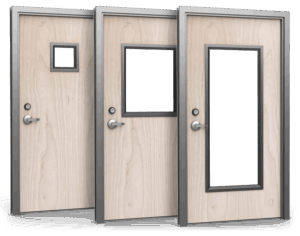
Take a look at our wide variety of commercial doors here: Commercial Doors



If you have any additional questions about commercial doors, email us at [email protected] or give us a call at 800-685-7541 and we’ll be happy to help you out!