


How Durable are Commercial Steel Doors?
Commercial steel doors are extremely durable and built to withstand heavy use, impact, and harsh environmental conditions. Their durability depends on factors like gauge thickness, core material, and finish. Steel doors are considered the most durable among all types of commercial metal doors.
What makes commercial steel doors durable?
Commercial steel doors are built to withstand heavy use, impact, and environmental factors. Their durability comes from several key features:
Steel Gauge Thickness: The durability of commercial steel doors is largely determined by their steel gauge thickness. The lower the gauge number, the thicker and stronger the steel, making it more resistant to impact and wear. Common commercial steel doors range from 18-gauge (light duty) to 14-gauge (heavy-duty), with 14- and 16-gauge doors being the preferred choice for high-traffic and high-security areas due to their enhanced strength and durability.
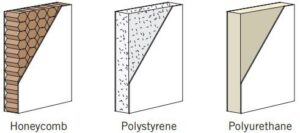
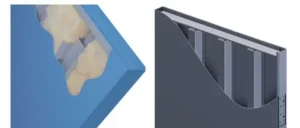
Core Material for Strength & Insulation: The core material inside a commercial steel door plays a crucial role in its strength, insulation, and fire resistance. Different core types offer varying benefits depending on the application. Honeycomb cores are lightweight yet strong, making them ideal for offices and schools. For maximum impact resistance, steel-stiffened cores are the best choice, commonly used in warehouses and security doors. Polystyrene cores provide good insulation with moderate durability, while polyurethane cores offer superior thermal insulation and energy efficiency. For commercial buildings requiring high fire resistance, mineral cores are the preferred option, ensuring enhanced safety and compliance with fire regulations.

Fire & Heat Resistance: Many commercial steel doors are designed with fire and heat resistance, offering fire ratings ranging from 20 minutes to 3 hours to enhance safety in the event of a fire. Doors with fire-resistant cores, such as mineral cores, help contain fire and smoke, preventing their spread and providing critical protection for commercial buildings.
Corrosion & Rust Resistance: Commercial steel doors offer excellent corrosion and rust resistance, making them suitable for various environments. Galvanized steel doors are particularly effective in humid or exterior settings, as they resist rust and deterioration. Additionally, factory-applied primers and powder coatings provide an extra layer of protection, extending the door’s lifespan. For extreme conditions, such as coastal areas with high salt exposure, stainless steel doors are the most durable option, offering superior resistance to corrosion and environmental damage.
Impact & Security Strength: Commercial steel doors are highly valued for their impact resistance and security strength, outperforming wood and aluminum doors in resisting dents and forced entry. Their reinforced edges and welded frames provide enhanced durability, making them a reliable choice for high-traffic and high-risk areas. Due to their superior strength, steel doors are commonly used in high-security applications, including banks, schools, and government buildings, where safety and protection are a top priority.
Weather & Moisture Resistance: Commercial steel doors offer excellent weather and moisture resistance, making them ideal for both interior and exterior applications. Weather-sealed doors help prevent moisture damage and warping, ensuring long-term durability even in harsh conditions. Additionally, insulated cores enhance energy efficiency by maintaining stable interior temperatures, reducing heat loss, and improving climate control within commercial buildings.
Longevity & Low Maintenance: Commercial steel doors are known for their longevity and low maintenance, often lasting 20+ years when properly cared for in commercial settings. Unlike wood doors, steel doors do not warp, crack, or split over time, making them a more durable and reliable option. To maintain their appearance and protect against wear, regular painting or powder coating is recommended, which helps prevent rust and keeps the doors functioning well for years.
Overall, commercial steel doors are the most durable option due to their thick steel construction, reinforced cores, fire resistance, and ability to withstand impact, weather, and heavy use. They are ideal for businesses, schools, hospitals, and industrial settings.
How do steel doors compare to other types of commercial metal doors?
Steel doors generally offer superior durability, strength, and security compared to other types of commercial metal doors, but there are key differences that may make other options more suitable for specific applications. Here’s how steel doors compare:
Steel Doors vs. Aluminum Doors:
Steel doors are much stronger and more impact-resistant than aluminum doors, making them ideal for high-security or high-traffic areas. While aluminum doors are lighter and easier to handle and install, this also makes them less durable in terms of impact resistance. Aluminum naturally resists corrosion better than steel, making it a good option for areas with high humidity or coastal environments. However, steel doors can be galvanized or coated to offer similar protection against rust. In terms of applications, steel doors are preferred for warehouses, schools, and high-security buildings, whereas aluminum doors are commonly used in storefronts or office buildings, where weight and appearance are more important.
Steel Doors vs. Stainless Steel Doors:
Both steel and stainless steel doors are incredibly durable, but stainless steel offers even better corrosion resistance, making it ideal for environments with high moisture, such as coastal areas or food processing plants. However, stainless steel doors are typically more expensive than standard steel doors due to the higher material cost and added corrosion resistance. In terms of aesthetic, stainless steel provides a sleek, modern appearance, and is commonly used in environments that require a clean, polished look, such as hospitals or laboratories.
Steel Doors vs. Hollow Metal Doors:
Steel doors generally offer better impact resistance than hollow metal doors, which have a thin sheet metal exterior with a hollow core. While hollow metal doors are durable, they are less robust than solid steel doors. Hollow metal doors often have different core materials (such as honeycomb, polystyrene, or polyurethane), which can be tailored to insulation or fire resistance needs, but steel doors with reinforced cores are stronger and more impact-resistant. In terms of applications, hollow metal doors are more commonly used for interior applications or where a lighter, more cost-effective option is needed, while steel doors are better suited for exterior and high-security use.
Overall, steel doors are the most durable and secure option for high-traffic, high-security, and industrial environments. However, aluminum and stainless steel doors can offer better corrosion resistance, while hollow metal doors may be more cost-effective or suited for specific applications like insulation or aesthetic preferences. The best choice depends on your environmental needs, security concerns, and budget.
How do steel doors compare to wood or fiberglass doors in durability?
Steel doors are generally far more durable than wood or fiberglass doors, offering superior strength, impact resistance, and longevity. Here’s how they compare:
Steel Doors vs. Commercial Wood Doors:
Commercial steel doors are far more durable and secure than commercial wood doors. Steel doors offer superior impact resistance, making them ideal for high-traffic and high-security areas, as they are much less likely to dent, warp, or crack under pressure. They also provide better weather resistance and are less susceptible to moisture damage compared to wood, which can absorb moisture, leading to warping, rotting, or swelling.
Steel doors are typically low-maintenance, requiring only occasional checks for rust or damage, while wood doors require more upkeep to maintain their appearance and structural integrity. Additionally, steel doors are often used in environments that demand high security, such as warehouses, schools, or government buildings, whereas wood doors are commonly chosen for interior applications or areas where aesthetics are prioritized.
Overall, steel doors offer enhanced durability, security, and longevity, making them the better option for commercial spaces exposed to heavy use and harsh conditions.
Steel Doors vs. Fiberglass Doors:
Steel doors are more durable and resistant to impact, dents, and forced entry than fiberglass doors. While fiberglass can crack or break under heavy force, steel doors remain intact and maintain their integrity. In terms of weather resistance, fiberglass doors offer good insulation and perform well in environments where thermal efficiency is a priority. However, steel doors with insulated cores can provide similar thermal efficiency while offering greater strength and security. Steel doors are the preferred choice for security-heavy applications, such as warehouses and high-traffic areas, while fiberglass doors are commonly used in applications where appearance, insulation, and ease of maintenance are more important, such as commercial storefronts or office buildings.
In summary, steel doors are the most durable option, offering superior impact resistance, moisture resistance, and longevity, making them ideal for high-traffic, high-security, and exterior applications. Wood and fiberglass doors are less durable, especially in environments with heavy moisture or potential for impact.
How long do commercial steel doors last?
Commercial steel doors can last 20+ years with proper maintenance. Their longevity depends on factors such as the quality of the materials, environmental conditions, and how well the doors are cared for. Steel doors are highly durable, resistant to wear and tear, and do not warp, crack, or split like wooden doors. Regular maintenance, such as checking for rust or damage and applying protective coatings, can extend their lifespan even further. In harsh environments with high moisture or heavy use, galvanized or stainless steel doors are preferred for added corrosion resistance, ensuring they perform well for decades.
Can commercial steel doors be customized for durability?
Yes, commercial steel doors can be customized for enhanced durability to suit specific needs and environments. Several customization options can increase the door’s strength, resistance, and longevity, including:
- Reinforced Cores: Steel doors can be fitted with different types of cores, such as steel-stiffened, polystyrene, polyurethane, or mineral cores, each offering increased strength, fire resistance, and insulation properties. A reinforced core enhances impact resistance and durability, making the door more suitable for high-security or high-traffic areas.
- Thickness and Gauge: The gauge of steel can be customized to make the door thicker and stronger. Lower gauge numbers (such as 14 or 16-gauge) provide superior durability, making the door more resistant to dents, impacts, and forced entry.
- Coatings and Finishes: Commercial steel doors can be treated with protective coatings, such as galvanization, powder coating, or primer applications. These coatings offer extra protection against rust, corrosion, and weather damage, especially in high-moisture or coastal environments. Stainless steel finishes also offer enhanced corrosion resistance.
- Weather-Sealing: Custom weather seals can be added to prevent moisture, dust, and dirt from entering, which can help avoid damage from the elements and extend the lifespan of the door.
- Impact Resistance: Steel doors can be reinforced with impact-resistant materials or special frame designs to prevent damage from heavy use or forced entry. These doors are commonly used in industrial or high-security settings.
- Fire Resistance: Customized fire-rated doors can be created using mineral cores or special fire-resistant coatings, providing better protection against fire hazards in commercial or industrial settings.
These customization options help ensure that commercial steel doors can withstand specific environmental conditions, meet security needs, and provide lasting performance for years.
If you are in need of durable steel doors, take a look here: Commercial Steel Doors