


How Do I Choose the Best Door Frame For My Commercial Door?
Choosing the best door frame for your commercial door involves several factors, including material, type of door frame, size and dimensions, fire rating, finish, etc. By carefully considering these factors, you can select the best door frame to meet your specific needs and enhance the security, safety, and aesthetics of your commercial building.
What materials are commercial door frames made of?
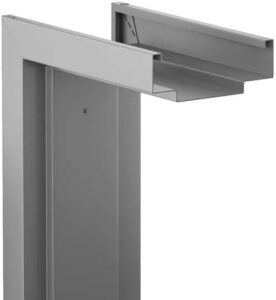
Commercial door frames are primarily made of steel. Steel is a durable, strong, and versatile material that can withstand heavy use and harsh weather conditions. It’s also fire-resistant, making it a popular choice for commercial buildings.
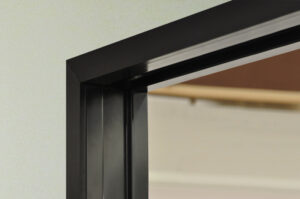
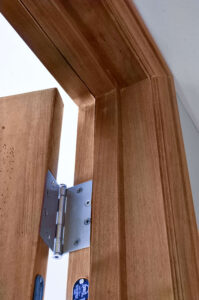
While less common, some commercial door frames may be made of wood or aluminum. Wood frames can provide a more traditional look, but they require more maintenance than steel frames. Aluminum frames are lightweight and corrosion-resistant, making them suitable for certain applications, such as storefront doors.
Ultimately, the best material for a commercial door frame will depend on the specific needs of the building, such as the level of security, fire safety, and aesthetic preferences.

What are the different types of commercial door frames?
There are two primary types of door frames: knockdown frames and welded frames.
Knockdown door frames, also known as KD frames, are commercial door frames that arrive in separate pieces and are assembled on-site. This makes them more affordable and easier to transport than pre-assembled welded frames. However, KD frames require careful assembly and installation to ensure proper alignment and strength.
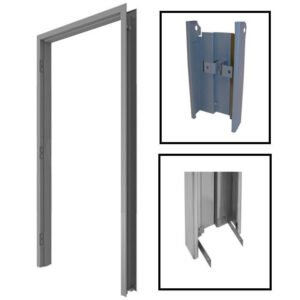
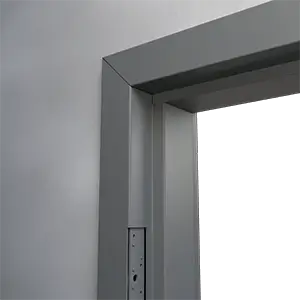
Welded door frames are commercial door frames that are pre-assembled and welded together at the factory. This creates a strong, durable, and seamless frame that is ready for installation. However, welded frames are generally more expensive than knockdown frames due to the additional labor and materials involved in the welding process.
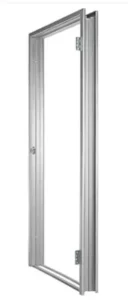
Overall, knockdown door frames are a popular choice due to their affordability and flexibility whereas welded door frames are a popular choice for commercial buildings that require a high level of strength, durability, and aesthetics. It’s important to note that welded frames are particularly well-suited for exterior doors and doors that need to meet strict fire and security requirements. For knockdown frames, it’s important to choose a reputable manufacturer and follow the installation instructions carefully to ensure a durable and secure installation.
What are the different sizes and dimensions for commercial door frames?
Commercial door frames come in a variety of sizes and dimensions to accommodate different door sizes and wall thicknesses.
Standard Sizes:
- Width: 36 inches (3 feet) is the most common width for single doors.
- Height: 80 inches (6 feet 8 inches) and 84 inches (7 feet) are common heights.
Other Common Sizes:
- Width: 24, 28, 30, 32, 34, 40, 42, 44, and 48 inches.
- Height: 70 inches (5 feet 10 inches) and 96 inches (8 feet).
Jamb Depth: The depth of the door frame, also known as the jamb depth, is typically 4-1/4 inches, 6-1/4 inches, or 8-3/4 inches.
Custom Sizes: Commercial door frames can also be custom-made to fit specific dimensions. This is often necessary for unique architectural designs or to accommodate unusual door sizes.
It’s important to note that these are just a few examples of common commercial door frame sizes and dimensions. The specific size and dimensions you need will depend on the type of door, the wall thickness, and the building code requirements.
Why is the fire rating of a commercial door frame important?
Not all commercial door frames are fire-rated. While many commercial buildings require fire-rated doors and frames to meet building codes and safety standards, it depends on the specific location and use of the door.
To determine whether a fire-rated door frame is required in your commercial building, you’ll need to understand your building codes, the occupancy type and the specific locations within the building that may require fire-rated doors and frames.
Local building codes will specify the fire-rating requirements for different types of buildings and specific areas within them. The type of occupancy, such as office, retail, or industrial, will influence the fire-rating requirements. Doors located in critical areas like exit corridors, stairwells, and fire-rated rooms often require fire-rated frames.
It’s important to consult with local building codes and fire safety regulations to determine the specific fire-rating requirements for your commercial door frames. Working with a qualified architect or engineer can also help ensure compliance with all necessary codes and standards.
What are the various finishes for commercial door frames?
Commercial door frames come in a variety of finishes to suit different aesthetic preferences and functional requirements. Here are some common finishes:
Standard Finishes:
- Galvanized: A zinc coating applied to the steel frame to protect it from corrosion.
- Painted: A variety of paint finishes, including powder coating, are available in different colors to match the desired aesthetic.
Specialty Finishes:
- Anodized Aluminum: A durable, corrosion-resistant finish for aluminum frames.
- Stainless Steel: A high-quality, corrosion-resistant finish for premium applications.
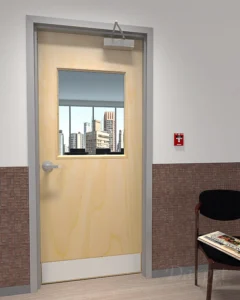
- Wood Grain: A simulated wood grain finish, often used to match interior wood finishes.
The choice of finish for a commercial door frame depends on several factors, including the desired aesthetic appeal, the required level of durability against corrosion, wear, and impact, the ease of cleaning and maintenance, and the overall budget for the project.
When selecting a finish, it’s important to consider the specific needs of the building and the long-term maintenance requirements. A durable finish can help reduce maintenance costs and extend the life of the door frame.
Are there any additional considerations when choosing a commercial door frame?
In addition to the factors mentioned earlier, there are several other considerations when choosing a commercial door frame:
Security: If security is a primary concern, consider reinforced steel frames with additional locking mechanisms.
Installation: Consider the ease of installation and whether you’ll need professional help. Some frames may require specialized tools or techniques.
Environmental Factors: In harsh environments, consider frames made of corrosion-resistant materials like stainless steel or aluminum.
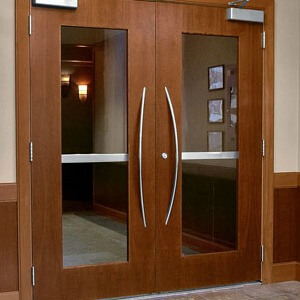
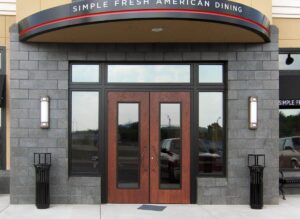
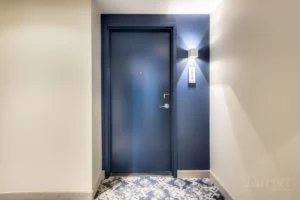
Aesthetics: The frame should complement the overall design of the building, whether it’s a modern, traditional, or industrial style.
By carefully considering these factors, you can select the best door frame to meet your specific needs and enhance the security, safety, and aesthetics of your commercial building.
If you are in need of commercial doors & frames, take a look here: Commercial Doors & Frames
If you have any additional questions about commercial doors or door frames, email us at [email protected] or give us a call at 800-685-7541 and we’ll be happy to help you out!