


How are Commercial Wood Doors Installed?
Commercial wood doors are typically installed in a similar process to commercial metal doors, but with some key differences. The first step in installing commercial wood doors is preparing the door frame to ensure it is plumb, level, and properly anchored. Hinges are then attached to the door and frame, following manufacturer specifications for placement. The door is hung by aligning and securing the hinges, ensuring smooth operation and proper clearance. Hardware such as locks, handles, and closers are installed next, often requiring pre-drilled holes or field modifications. Finally, the door is tested for proper swing, alignment, and latching to meet code and performance standards.
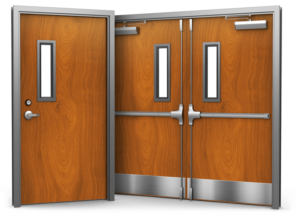
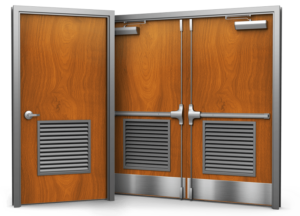
The general installation process for a commercial wood door involves several key steps:
- Prepare the Opening: Ensure the door frame is square, plumb, level, and securely anchored. Verify that the rough opening matches the door size and specifications.
- Attach Hinges: Mortise and install the hinges on the door and frame, following standard measurements or manufacturer instructions.
- Hang the Door: Align the hinges and secure the door to the frame, checking for proper swing, clearance, and alignment.
- Install Hardware: Attach hardware such as locksets, levers, closers, kick plates, and door stops. Most commercial wood doors are prepped for hardware to streamline this step.
- Test Operation: Open and close the door to ensure it operates smoothly, latches properly, and meets any fire or accessibility code requirements.
- Final Adjustments: Make any necessary tweaks to the hardware or alignment to ensure durability and code compliance.
Who installs commercial wood doors?
How long does it take to install a commercial wood door?
Installing a commercial wood door typically takes 1 to 2 hours per door, depending on several factors:
- Pre-prepped vs. field-prepped: Pre-machined doors with factory prepped hardware cutouts install faster than doors requiring on-site modifications.
- Complexity of hardware: Installing basic hinges and a lockset is quicker than adding closers, kick plates, or access control hardware.
- Installer experience: Skilled professionals can install doors more efficiently and with fewer adjustments.
- Site conditions: Level floors, plumb frames, and accessible spaces speed up installation.
For a standard pre-prepped door in ideal conditions, expect around 1 hour; for more complex setups, allow 2 hours or more.
What are important considerations to keep in mind when installing commercial wood doors?
When installing commercial metal doors, several important considerations ensure proper function, code compliance, and durability:
- Frame Alignment: The metal frame must be plumb, level, and securely anchored before door installation. Poor alignment can cause binding, improper latching, or premature wear.
- Door Weight and Handling: Metal doors are heavier than wood, so proper lifting equipment or team lifting is often necessary to prevent injury or damage.
- Hardware Compatibility: Ensure all hardware—hinges, locks, closers, and exit devices—is rated and compatible with the metal door and its intended use, especially for fire-rated applications.
- Fire-Rated Requirements: Many commercial metal doors are used in fire-rated openings. All components, including the door, frame, and hardware, must be listed and labeled appropriately, with correct clearances and installation per NFPA guidelines.
- Security and Access Control: Metal doors are often used in high-security areas, so consider reinforcement for locks, card readers, or electrified hardware as needed.
- Field Modifications: Avoid unnecessary drilling or cutting in the field, especially with fire-rated doors, as it can void the door’s rating. Use factory-prepped doors whenever possible.
- Sealing and Weatherproofing: For exterior openings, proper sealing with thresholds, weatherstripping, and gaskets is crucial to prevent air and water infiltration.
By keeping these factors in mind, installers can ensure that commercial metal doors function safely, securely, and reliably over time.
If your business is in need of commercial wood doors, take a look at them & get a quote here: Commercial Wood Doors
If you have any additional questions about commercial doors, email us at [email protected] or give us a call at 800-685-7541 and we’ll be happy to help you out!