


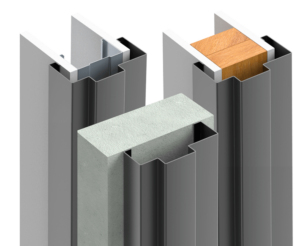
Before installing a commercial metal door frame, the rough opening must be properly prepared by removing any debris, ensuring the opening is clean, level, and square, and verifying that its dimensions match the frame specifications. It’s also important to check the surrounding wall structure for stability and repair any damage to provide a solid mounting surface. Proper preparation ensures the frame fits correctly and allows for smooth installation.
How is the frame positioned during installation?
During installation, the door frame is positioned by carefully placing it into the prepared rough opening. Installers use shims (small wedges made of wood or plastic) to temporarily hold the frame in place and make fine adjustments. These shims help ensure the frame is aligned correctly, preventing gaps and ensuring it sits plumb, level, and square before being permanently secured.
How do installers ensure the frame is properly aligned?
Installers ensure the door frame is properly aligned by using tools like levels and squares to check that the frame is plumb (vertically straight), level (horizontally even), and square (corners at 90 degrees). They adjust the position of the frame using shims placed between the frame and rough opening until the measurements are accurate. This careful alignment prevents issues like door sticking or gaps once the door is installed.
What type of fasteners are used to secure the frame?
The type of fasteners used to secure a commercial metal door frame depends on the wall construction. Common fasteners include:
- Concrete or masonry walls: Tapcon screws or expansion anchors
- Steel stud walls: Self-tapping metal screws
- Wood stud walls: Wood screws or lag bolts
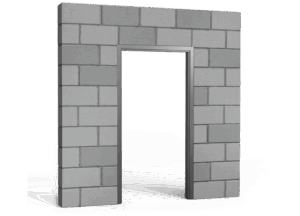
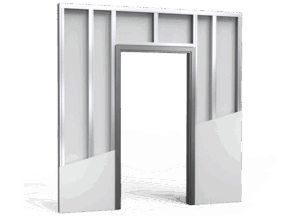
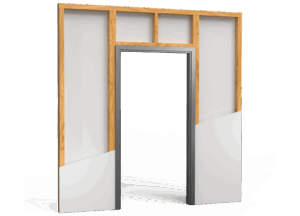
These fasteners must be strong enough to hold the frame securely and appropriate for the specific wall material to ensure stability and code compliance.
Is insulation or sealing applied during installation?
Yes, insulation or sealing is typically applied during door frame installation. After the frame is secured, gaps between the frame and the rough opening are filled with insulating foam or backer rods and sealant. This helps improve energy efficiency by preventing drafts, reduces noise transmission, and protects against moisture infiltration. Proper sealing also contributes to the door’s overall performance and longevity.
Can door frames be installed as a DIY project?
While it’s possible for experienced DIYers to install commercial metal door frames, it’s generally recommended to hire professionals. Proper installation requires precise measurements, alignment, and knowledge of fastening methods for different wall types to ensure safety, functionality, and code compliance. Mistakes can lead to doors that stick, gaps that cause energy loss, or compromised security. Professional installers have the tools and expertise to complete the job efficiently and correctly.
Take a look at our variety of metal door frames here: Commercial Metal Door Frames
If you are also in need of doors, take a look here: Commercial Doors