


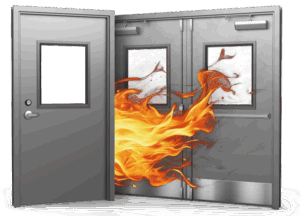

These features combined make commercial metal doors a top choice for protecting people, property, and sensitive areas in commercial buildings.
Can Commercial Metal Doors be Used for Security Purposes?
- Heavy-Duty Construction: Commercial metal doors are typically manufactured from galvanized steel, stainless steel, or reinforced aluminum, making them extremely strong and durable. This heavy-duty construction provides excellent resistance to impact, forced entry, and harsh environmental conditions, making them ideal for securing both interior and exterior commercial spaces.
- Reinforced Door Frames: A secure door is only as strong as its frame. Commercial metal doors are often paired with steel-reinforced frames that resist prying, bending, and kicking. These frames provide a stable, tamper-resistant base for the door, ensuring the overall integrity of the entryway and minimizing vulnerabilities.
- High-Gauge Steel: Security-rated metal doors come in various steel gauges, with lower numbers indicating thicker steel. Doors made from 16-gauge or 14-gauge steel offer superior strength and resistance to penetration compared to lighter-gauge options. The thickness of the steel contributes directly to the door’s ability to withstand force and manipulation.
- Fire and Bullet Resistance: Many commercial metal doors are available with fire ratings ranging from 20 minutes to 3 hours, helping contain fires and protect building occupants. Some models are also bullet-resistant, providing added protection in high-risk environments such as government buildings, schools, and financial institutions.
- Security Hardware Options: One of the key advantages of commercial metal doors is their compatibility with a wide range of high-security hardware. These include heavy-duty deadbolts, panic bars, smart locks, and electronic access systems like keypads or card readers. These options enhance control over who can access certain areas and add multiple layers of security.
- Tamper-Proof Hinges and Fasteners: To prevent intruders from removing the door from its frame, commercial metal doors often feature tamper-resistant or non-removable pin hinges. These hinges are specifically designed to make it nearly impossible to remove the door even if the hinge side is exposed.
- Solid Core Construction: Many metal doors are built with a solid or insulated core, such as steel-stiffened or honeycomb construction. This internal structure adds significant strength and improves resistance to break-ins, fire, sound, and even temperature transfer, making the doors both secure and energy efficient.
- Multi-Point Locking Systems: For high-security applications, commercial metal doors can be fitted with multi-point locking systems. These locks engage at several points along the door frame, such as the top, middle, and bottom, greatly increasing the door’s resistance to being forced open and enhancing overall security.
Yes, commercial metal doors are secure enough for high-risk buildings and are widely used in environments that demand a high level of protection, such as government facilities, banks, hospitals, data centers, and schools. These doors are built from heavy-gauge steel and are often paired with reinforced frames and advanced locking systems, providing exceptional resistance to forced entry, impact, fire, and in some cases, even bullets.
Many commercial metal doors are also tested and certified to meet strict safety and security standards, including fire ratings, UL listings, and ballistic resistance ratings. With the ability to incorporate tamper-proof hardware, access control systems, and multi-point locks, they can be customized to meet the unique security requirements of any high-risk facility. Their durability, strength, and adaptability make them one of the most reliable choices for securing critical infrastructure.
Do metal doors resist tampering and vandalism?
Yes, metal doors are highly resistant to tampering and vandalism, which is one of the key reasons they are used in commercial, industrial, and high-security settings. Made from strong materials like steel or reinforced aluminum, these doors can withstand significant physical abuse without bending, breaking, or warping.
To enhance their tamper resistance, metal doors often include non-removable pin hinges, security-grade fasteners, and reinforced frames that make it extremely difficult for intruders to pry them open or remove them from the frame. Additionally, they can be outfitted with vandal-resistant hardware, such as tamper-proof locks, protective latch guards, and heavy-duty door closers, which help deter forced entry attempts and malicious damage.
Because of their solid construction and ability to be paired with high-security components, metal doors are an excellent choice for facilities that need to maintain a high level of security and durability against vandalism or tampering.
What security features can be added to commercial metal doors?
Several security features can be added to commercial metal doors to enhance their protection and make them suitable for high-risk or restricted-access areas. These features help deter unauthorized entry, increase durability, and ensure the door performs reliably under stress. Key security upgrades include:
- Heavy-Duty Locks and Deadbolts: Installing high-security locks—such as Grade 1 commercial deadbolts, mortise locks, or keypad locks—provides strong resistance to picking, bumping, and forced entry.
- Access Control Systems: Electronic access control options like keypads, card readers, biometric scanners, and smart locks offer controlled and trackable entry, ideal for sensitive areas in commercial facilities.
- Panic Bars with Alarm Integration: For emergency exits, panic hardware with built-in alarms or delayed egress functions can prevent unauthorized exits while maintaining life-safety compliance.
- Latch Guards and Security Plates: Latch guards and astragals cover the gap between the door and frame, protecting the latch from tampering with crowbars or other tools.
- Ballistic or Blast-Resistant Materials: For high-threat environments, metal doors can be constructed or reinforced to withstand gunfire or explosions, often with certifications from bodies like UL or FEMA.
- Security Glazing or Vision Lites: If windows are required, security glass or polycarbonate glazing can be used in vision lites to maintain visibility while resisting break-ins or shattering.
These features can be mixed and matched depending on the level of security required for your building or facility.
How do metal doors compare to other door types in terms of security?
When it comes to security, metal doors are generally the strongest and most durable option. Constructed from heavy-gauge steel or reinforced aluminum, they are designed to withstand forceful impacts, resist tampering, and offer a long lifespan with minimal maintenance. Metal doors are also highly compatible with advanced security hardware like deadbolts, access control systems, and panic bars. Many are fire-rated and can even be made bullet- or blast-resistant, making them ideal for high-risk or commercial environments.


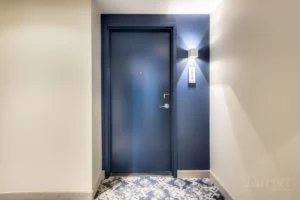
Wood doors, while often preferred for their aesthetic appeal and traditional look, offer less security than metal. Solid wood doors are sturdier than hollow-core versions, but they are still more susceptible to forced entry, warping, and deterioration over time—especially in harsh weather conditions. Although wood doors can be outfitted with quality locks and hardware, they generally lack the structural integrity and tamper resistance of metal options.

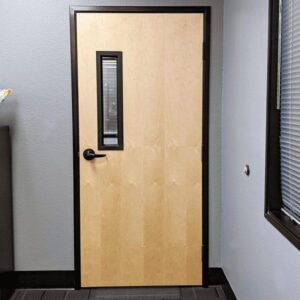
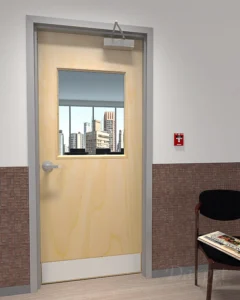
Glass doors provide a modern, open feel and are commonly used in commercial storefronts or office settings, but they are the most vulnerable in terms of security. Standard glass can easily be broken, and while security glazing or laminated glass can improve resistance, it still doesn’t match the strength of metal or even solid wood. Additionally, the limited range of compatible hardware and the high maintenance requirements of glass make it a less secure choice unless special reinforcements are in place.
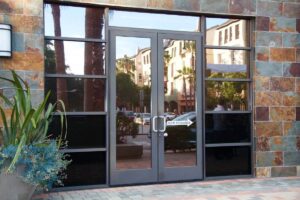
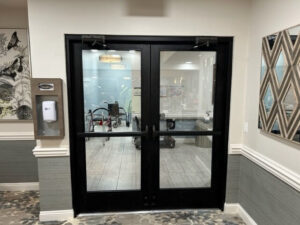

In summary, metal doors provide the highest level of security, followed by solid wood doors, with glass doors offering the least protection unless upgraded with specialized materials. The right choice depends on the specific needs of the building, but for maximum security, metal is the preferred option.
If you are in need of commercial metal doors, take a look at them & get a quote here: Commercial Metal Doors
If you have any additional questions about commercial metal doors, email us at [email protected] or give us a call at 800-685-7541 and we’ll be happy to help you out!