


Can Commercial Metal Doors Be Insulated?
Yes, commercial metal doors can be (and often are) insulated to improve thermal performance, energy efficiency, and even sound control. These doors typically have a core material inside the metal shell, such as polyurethane, polystyrene, or a honeycomb steel core, depending on the level of insulation needed. Insulated metal doors help reduce heat loss or gain, which can lower utility bills and create a more comfortable environment for customers and staff. They also help block drafts and reduce condensation, especially when paired with proper weatherstripping and seals. In addition to thermal insulation, many insulated metal doors offer fire ratings and added strength, making them a practical and secure solution for a wide variety of commercial applications, from warehouses to offices to retail back entrances.
What are the common insulation materials used in commercial metal doors?
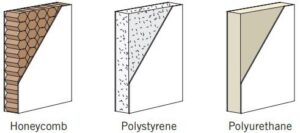
Commercial metal doors are often insulated with one of several core materials, each offering different benefits depending on your building’s needs. The most common insulation materials include polyurethane, polystyrene, honeycomb core, and steel-stiffened cores.
Polyurethane is a high-performance foam with the highest R-value, meaning it provides excellent thermal insulation and is perfect for energy-conscious buildings or exterior doors exposed to varying temperatures.
Polystyrene is another rigid foam material that offers solid insulation and structural strength, often used in mid-range applications where a balance of durability and efficiency is needed.
Honeycomb cores, typically made of cardboard or resin-impregnated kraft paper, are lightweight and provide some rigidity, but offer minimal insulation and therefore are best for interior use where thermal performance isn’t a top concern.
Steel-stiffened cores, reinforced with vertical steel reinforcements, are more about strength and durability than insulation, but can still include thermal barriers.
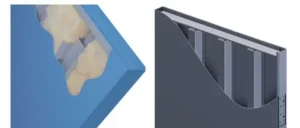
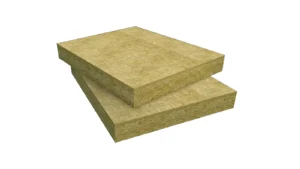
Mineral cores are also sometimes used. This is a type of insulation material made from mineral fibers, such as fiberglass or rock wool. These fibers are bonded together to form a rigid, lightweight panel. Mineral core insulation is non-combustible and provides a heat barrier, commonly used in stairwells.

Choosing the right core depends on whether your priority is temperature control, durability, fire rating, soundproofing, or a combination of these.
What is the R-value of commercial metal door insulation?
The R-value of commercial metal door insulation varies depending on the type and thickness of the material. R-value is a measure of a material’s resistance to heat flow. A higher R-value means better insulation performance. Here are some typical R-values for common commercial metal door insulation materials:
- Polyurethane foam: R-values can range from 4.0 to 7.0 per inch.
- Polystyrene foam: R-values can range from 3.0 to 4.0 per inch.
- Mineral wool: R-values can range from 3.0 to 4.0 per inch.
- Fiberglass: R-values can range from 3.0 to 4.0 per inch.
It’s important to note that the overall R-value of a commercial metal door will also depend on factors such as the thickness of the door itself and any additional insulation materials used. For optimal energy efficiency, it’s recommended to choose a commercial metal door with a high R-value. This can help to reduce heat loss in colder months and heat gain in warmer months, leading to lower energy bills and improved indoor comfort.
What is the purpose of insulating a commercial metal door?
- Improved energy efficiency: Insulation helps to reduce heat transfer, preventing warm air from escaping in the winter and cold air from entering in the summer. This can significantly lower energy costs.
- Noise reduction: Insulated doors can help to dampen sound transmission, creating a quieter and more comfortable environment.
- Enhanced fire resistance: Some insulation materials, such as mineral fiberboard, are non-combustible and can help to delay the spread of fire, providing more time for evacuation.
- Increased comfort: Insulated doors can help to maintain a more consistent temperature inside the building, improving comfort for occupants.
- Improved security: In some cases, insulation can add to the security of a commercial metal door by making it more difficult to force open.
By insulating a commercial metal door, building owners can achieve a more energy-efficient, comfortable, and secure environment.
Are insulated metal doors more energy-efficient?
Yes, insulated metal doors are specifically designed to help improve a building’s energy efficiency. The insulation material inside the door, such as polyurethane or polystyrene, acts as a thermal barrier that reduces the transfer of heat or cold between the inside and outside of your building. This helps maintain a more consistent indoor temperature, easing the workload on your HVAC system and lowering utility bills over time. In climates with extreme heat or cold (or in buildings with large entrances that open frequently) insulated doors can make a noticeable difference in both comfort and energy savings. They also help prevent drafts and condensation when paired with proper weatherstripping and seals. Whether you’re upgrading an exterior entryway or enclosing a climate-controlled area like a warehouse, office, or retail space, choosing an insulated metal door is a smart, energy-conscious investment.
Can insulated metal doors still be fire-rated?
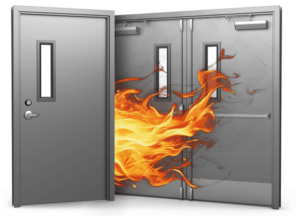
Yes, insulated metal doors can absolutely be fire-rated, making them a versatile option for businesses that need both thermal efficiency and fire protection. Fire-rated doors are tested and certified to withstand fire and heat for a specified period (typically 20, 45, 60, 90, or 180 minutes) and many insulated doors meet these standards while still offering excellent insulation performance. The key is the type of core material used. For example, steel-stiffened or mineral core doors often carry high fire ratings, while polyurethane and polystyrene cores can also be fire-rated if they’re combined with the proper fire-resistant construction. These doors are ideal for areas that require both code-compliant safety and energy savings, such as stairwells, corridors, exterior exits, or fire barriers between building zones. Just make sure the door you choose is UL- or WH-certified (or meets your local authority’s listing requirements) and installed with fire-rated frames and hardware to maintain its rating.
Are insulated metal doors soundproof?
Insulated metal doors are not completely soundproof, but they do offer a level of sound reduction, especially compared to hollow metal doors or non-insulated doors. The insulation inside, such as polyurethane or polystyrene, can dampen noise by absorbing sound vibrations and reducing transmission. While this helps minimize everyday noise, like foot traffic or street sounds, it may not be enough for spaces that require a high degree of acoustic privacy. For better sound control, you’ll want to look for acoustically rated metal doors with a certified STC (Sound Transmission Class) rating. These doors often use specialized cores (like mineral or acoustic insulation) and feature tight seals, door sweeps, and heavy-duty construction to significantly reduce noise transfer. STC-rated insulated doors are ideal for offices, conference rooms, schools, clinics, and music or recording studios, where managing sound is essential.
Do insulated doors cost more?
Insulated commercial doors do generally cost more than standard, non-insulated options, usually due to the added materials and performance features involved. Depending on the type of insulation and the door’s overall construction, you can expect to pay $100 to $400 more per door on average. However, this upfront cost can be quickly offset by long-term energy savings, especially in buildings with high heating or cooling demands. Insulated doors help regulate indoor temperatures, reduce HVAC workload, and lower utility bills over time. They can also contribute to better sound control, improved comfort, and even code compliance in certain climates or building types. In other words, while the initial price tag may be higher, the return on investment often makes insulated doors the smarter, more efficient choice in the long run.
Where are insulated metal doors typically used?
Insulated metal doors are commonly used in exterior entrances and interior access points where energy efficiency and durability are key considerations. They’re frequently found in warehouses, storage facilities, and industrial buildings, where insulation helps maintain a consistent temperature and reduces energy costs. These doors are also popular in office buildings, retail stores, schools, and hospitals, where they help improve comfort by preventing drafts and reducing heating and cooling demands. Insulated metal doors are often used in loading docks, garage doors, and service entrances where both strength and thermal protection are required. Additionally, they are commonly found in climate-controlled spaces such as data centers, laboratories, and cold storage facilities where precise temperature control is necessary. These doors not only help maintain interior conditions but also provide protection against external elements and noise.
Can commercial metal doors be insulated after installation?
Yes, commercial metal doors can be insulated after installation. This process is often referred to as retrofitting.
There are a few methods for insulating commercial metal doors after installation:
- Core filling: If the door has a hollow core, insulation material can be injected into the core through access holes.
- Panel removal: In some cases, the door panels can be removed, and insulation can be installed within the cavity.
- External insulation: External insulation can be added to the door, such as weatherstripping or foam insulation panels.
While retrofitting can be effective in improving energy efficiency and noise reduction, it may be more cost-effective to purchase a pre-insulated door during the initial installation. However, retrofitting can be a viable option for existing doors that need to be upgraded.
It’s important to consult with a professional to determine the best method for insulating your commercial metal door and to ensure that the insulation is installed correctly and effectively.
Take a look at the wide variety of commercial metal doors & get a quote here: Commercial Metal Doors
If you have any additional questions about commercial metal doors, email us at [email protected] or give us a call at 800-685-7541 and we’ll be happy to help you out!