


Can a Commercial Door Frame Be Customized?
Yes, a commercial door frame can be customized to meet specific security, aesthetic, and functional requirements. Customization options allow businesses to choose materials, sizes, finishes, and features that align with their needs.
Can a commercial door frame be customized for specific security needs?
Yes, a commercial door frame can be customized for specific security needs. There are various ways to enhance the security of a door frame through customization, ensuring that the door offers maximum protection against forced entry, tampering, or other security threats. Some of the most popular custom security features include:
- Reinforced Steel Construction: A common customization for security is using reinforced steel in the frame’s construction. Steel frames are much stronger than wood frames and provide excellent resistance against forced entry.
- Anti-Theft Reinforcement: Custom frames can be designed with additional anti-theft features such as reinforced corners or reinforced jambs, making it more difficult for intruders to breach the door.
- Integrated Strike Plates: Strike plates can be built into the frame for added security. These plates are used to secure the locking mechanism and prevent it from being easily broken or forced open. A reinforced strike plate with long screws further increases resistance to tampering.
- Bullet-Resistant Frames: For higher security, commercial door frames can be customized to be bullet-resistant by using ballistic-grade materials that are designed to withstand gunfire.
- Fire-Resistant Frames: For areas where fire safety is a concern, commercial door frames can be customized with fire-resistant materials to meet fire rating requirements and ensure that the door maintains its integrity during a fire.
- Impact-Resistant Frames: Frames can be customized to be more impact-resistant, preventing damage from physical impacts, such as from heavy machinery or accidental collisions.
- Tamper-Proof Fasteners: Using tamper-proof screws and fasteners in the frame can help make the frame more resistant to unauthorized access.
By choosing the right materials and reinforcing features, a commercial door frame can be highly customized to meet specific security requirements. Whether you need enhanced physical security, fire resistance, or bulletproof protection, customization ensures that the door and frame system provides the level of security needed for your building.
What materials can be used for customized door frames?
Customized commercial door frames can be made from a variety of materials, each offering different benefits in terms of strength, durability, aesthetics, and security. Here are the most common materials used for commercial door frames:
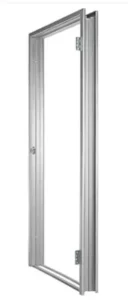
1. Steel: Steel is one of the most popular materials for commercial door frames due to its strength and durability. It offers excellent resistance to forced entry and is highly resistant to fire, impact, and weather. Steel frames are often used in high-security areas or locations exposed to harsh conditions. The material provides high strength, exceptional security, and protection against fire and impact. Steel frames are commonly found in high-security areas, industrial buildings, and exterior doors, where robust protection is essential.
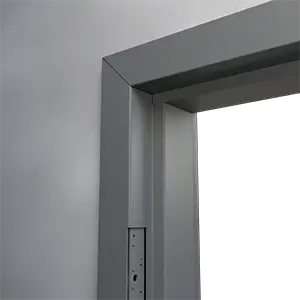
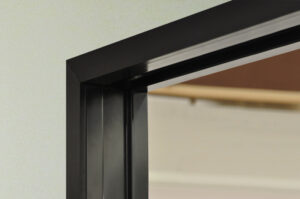
2. Aluminum: Aluminum frames are lightweight, corrosion-resistant, and offer a sleek, modern appearance. They are often used in commercial buildings where aesthetics are important, as they can be customized with various finishes and colors. While not as strong as steel, aluminum frames are still durable and provide good resistance to environmental conditions. The advantages of aluminum include its lightweight nature, resistance to corrosion, customizable finishes, and cost-effectiveness. These frames are commonly used in offices, storefronts, and areas where aesthetics and ease of maintenance are key considerations.
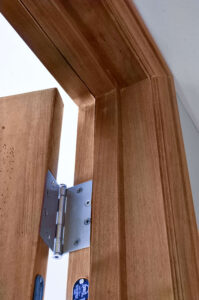
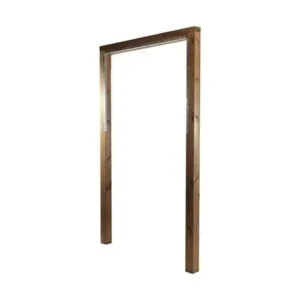
3. Wood: Wood frames provide a traditional look and can be customized to match the building’s interior design. They are commonly used in spaces that require a warmer, more natural aesthetic. While wood is not as secure as metal, it can still be reinforced to improve strength and security. The advantages of wood include its aesthetic appeal, customizable designs, and natural insulation properties. These frames are commonly found in interior office spaces, retail stores, hotels, and residential buildings, where a more inviting and classic appearance is desired.
4. Stainless Steel: Stainless steel is a premium material that offers enhanced corrosion resistance and a sleek, modern finish. It is especially suitable for areas exposed to moisture or extreme weather conditions, such as coastal regions. Stainless steel frames are highly durable and resistant to wear and tear, making them a reliable choice for demanding environments. The advantages of stainless steel include its corrosion resistance, durability, low maintenance requirements, and modern aesthetic. These frames are commonly used in hospitals, kitchens, commercial kitchens, and industrial settings, where resilience and cleanliness are critical.
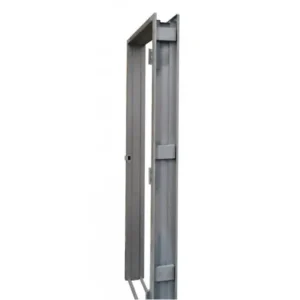
5. Galvanized Steel: Galvanized steel frames are coated with a protective layer of zinc to prevent rust and corrosion, making them an excellent choice for areas that require enhanced durability but may not be exposed to as severe conditions as stainless steel. Galvanized steel is also more cost-effective compared to stainless steel, offering a strong and durable solution at a lower price point. The advantages of galvanized steel include its corrosion resistance, cost-effectiveness, and strength. These frames are commonly used in commercial and industrial buildings, warehouses, and exterior doors, where robust protection and long-lasting performance are needed.
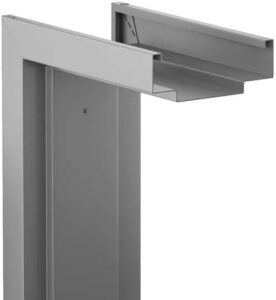
6. Fiberglass: Fiberglass frames are a lightweight, low-maintenance option that offers excellent resistance to moisture, weathering, and impact. While less common than metal or wood frames, they are ideal for specific environments where durability and resistance to environmental factors are critical. The advantages of fiberglass include its lightweight nature, resistance to moisture and weather, and low maintenance requirements. These frames are commonly used for exterior doors in areas with high moisture or extreme weather conditions, providing long-lasting performance in challenging environments.
7. Composite Materials: Composite materials are frames made from a combination of materials such as wood, plastic, and fiberglass, offering the benefits of multiple materials in one frame. These frames are often more durable and lighter than traditional wood frames, and they can be customized with different finishes and textures to suit various design preferences. The advantages of composite frames include being lightweight, cost-effective, customizable, and resistant to rot and insects. These frames are commonly used in commercial buildings, offices, and areas that require a balance of strength and aesthetics, providing a practical yet attractive solution.
The choice of material for a customized commercial door frame depends on factors like security needs, aesthetic preferences, environmental conditions, and budget. Steel and aluminum are popular for high-security and commercial applications, while wood offers a more aesthetic and traditional option. Each material can be tailored with specific finishes, reinforcements, and security features to meet the unique needs of the building. Would you like further guidance on selecting the best material for your project?
Can the size of a commercial door frame be adjusted?
Yes, the size of a commercial door frame can be adjusted to fit specific door dimensions or architectural requirements. Customizing the size of the door frame allows it to accommodate doors of various widths, heights, or thicknesses, ensuring a perfect fit for unique spaces. Adjusting the size is particularly useful when replacing an existing door, fitting doors into non-standard openings, or modifying a space for specific needs. This customization ensures that the door operates properly, provides security, and meets building codes. Whether expanding or narrowing the opening, door frames can be tailored to meet the exact specifications needed.
Can a door frame be customized for weather resistance?
Yes, a commercial door frame can be customized for weather resistance. Customization options can be added to enhance the frame’s ability to withstand harsh environmental conditions, such as extreme temperatures, moisture, or wind. Common customization features for weather resistance include:
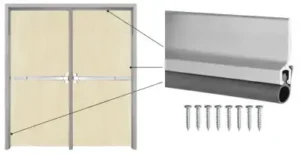
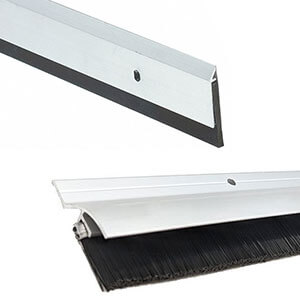
- Weatherstripping: Adding weatherstripping around the door frame helps seal gaps, preventing drafts and moisture from entering the building. This is particularly useful for improving energy efficiency and maintaining interior comfort.
- Insulated Frames: Some commercial door frames can be fitted with insulation to reduce heat loss or gain, making them more energy-efficient and effective at controlling interior temperatures.
- Corrosion-Resistant Materials: Frames made from materials like galvanized steel, stainless steel, or fiberglass are naturally resistant to corrosion caused by moisture or extreme weather, ensuring long-term durability.
- Protective Coatings: Applying protective coatings such as powder coating can enhance a frame’s resistance to rust, corrosion, and damage from environmental elements, especially for frames exposed to harsh weather.
- Impact Resistance: In areas prone to extreme weather conditions, impact-resistant frames can be installed to withstand damage from flying debris or heavy winds.
By customizing the door frame with these features, you can ensure that it performs well in challenging weather conditions, enhancing both the frame’s lifespan and the building’s energy efficiency.

Can a door frame be customized to match a building’s design?
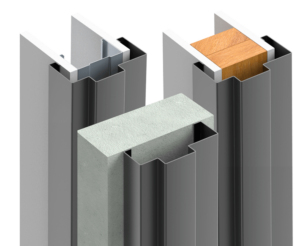
Yes, a commercial door frame can be customized to match a building’s design. This includes selecting materials such as steel, aluminum, wood, or fiberglass, and applying custom finishes, colors, or textures that align with the building’s aesthetic. Additionally, frames can be tailored to fit specific architectural styles, with options for trims, moldings, and decorative elements. The size and shape of the frame can also be adjusted to fit non-standard openings, ensuring a perfect match with the building’s design. This customization helps create a cohesive look while maintaining the door’s functionality and security.
Can a customized door frame improve energy efficiency?
Yes, a customized door frame can significantly improve energy efficiency. Customization allows for the integration of features that help control temperature, reduce energy loss, and maintain a comfortable interior environment.
One way to improve energy efficiency is through weatherstripping. Adding weatherstripping around the frame helps seal gaps, preventing drafts and reducing the need for heating or cooling, which can lower energy bills. Another effective feature is insulation. Custom frames can be designed to incorporate insulation materials, which help reduce heat transfer through the door and frame, improving energy efficiency by maintaining consistent indoor temperatures.
Additionally, frames made from materials like fiberglass or steel with insulated cores are excellent at providing thermal resistance, blocking heat loss or gain. These materials help ensure better energy performance. Finally, customized frames can create tight seals, ensuring the door fits securely and preventing air leakage, further enhancing the building’s energy efficiency.
By tailoring the door frame to include these features, you can significantly improve a building’s energy efficiency, leading to reduced energy costs and a more sustainable environment.
How much does it cost to customize a commercial door frame?
The cost to customize a commercial door frame can vary widely based on several factors, such as the materials used, the complexity of the customization, the size of the frame, and any additional features or security requirements. On average, here are some general price ranges:
The type of material significantly impacts the price. For example, steel or galvanized steel frames typically cost between $150 to $500 depending on the size and features. Aluminum frames generally fall in the range of $200 to $600, while wooden frames can range from $100 to $400, with costs increasing if custom designs or finishes are applied. Stainless steel frames tend to be more expensive, ranging from $300 to $1,000 or more, depending on size and finish.
Size and complexity also play a role in the price. Non-standard sizes or shapes may increase the cost, as custom fabrication is required. Larger doors or frames with intricate designs can cost more due to the additional labor and materials involved.
Additional features, such as insulation, weatherproofing, impact resistance, or security upgrades like reinforced frames or fire-rated cores, can further increase the cost. For instance, insulation or weatherproofing can add $100 to $300, while reinforced security features or fire-rated components can increase costs by $200 to $500 or more.
Lastly, labor and installation costs can range from $100 to $300 or more, depending on the complexity of the installation and the region.
In total, the price for a customized commercial door frame can range from around $200 to $1,500 or higher, depending on the materials, customization options, and additional features. For more precise pricing, it’s best to get a quote from a supplier or contractor based on your specific needs and preferences.
If you are in need of commercial door frames, take a look at our wide variety here: Commercial Door Frames
If you are also in need of commercial doors, take a look at those here: Commercial Doors