


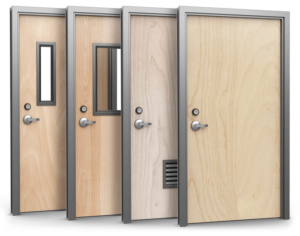
No, commercial wood doors are not naturally resistant to moisture and temperature changes. Wood is an organic material that can absorb moisture and expand or contract with temperature fluctuations. However, when engineered with high-quality cores, properly sealed, and finished with protective coatings, commercial wood doors can offer improved resistance and long-term durability in varying environmental conditions.


What causes wood doors to warp or swell?
Wood doors warp or swell primarily due to changes in moisture levels and temperature. When wood absorbs excess moisture from humid air or direct contact with water, it can expand unevenly, leading to swelling or warping. Similarly, rapid or repeated temperature fluctuations can cause the wood fibers to contract and expand, further stressing the material. Poor sealing, inadequate finishes, or installation in high-moisture environments without protection can increase the likelihood of these issues.
How can I protect wood doors from moisture damage?
To protect wood doors from moisture damage, apply a high-quality sealant or finish to all sides and edges, including the top and bottom. Install weatherstripping to prevent water intrusion and minimize humidity exposure. Ensure proper installation to avoid gaps where moisture can enter. Regularly inspect the door for signs of wear or damage, and reapply sealant or paint as needed to maintain the protective barrier. In high-moisture environments, consider using doors with moisture-resistant cores or factory-applied finishes for added durability.
Are there special types of commercial wood doors for high-moisture environments?
Yes, there are special types of commercial wood doors designed for high-moisture environments. These typically feature moisture-resistant cores such as structural composite lumber (SCL), mineral core, or agri-fiber core, which offer greater stability and resistance to warping, swelling, and delamination. Additionally, these doors often come with factory-applied water-resistant finishes and edge sealing to further protect against moisture intrusion. They are ideal for use in restrooms, kitchens, exterior openings, and other areas with high humidity or frequent cleaning.
Can commercial wood doors be used in exterior applications?
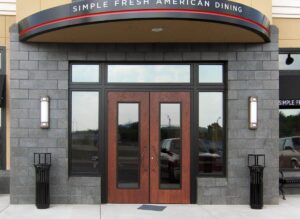
Yes, commercial wood doors can be used in exterior applications, but they must be specifically designed and rated for outdoor use. Exterior wood doors should feature weather-resistant cores, durable veneers, and factory-applied sealants or finishes to protect against moisture, UV exposure, and temperature fluctuations. Proper installation, including weatherstripping and flashing, is essential to ensure long-term performance. For harsh or highly exposed environments, alternative materials like fiberglass or metal may offer better durability.
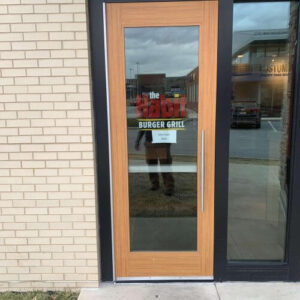
Do temperature changes affect commercial wood doors?
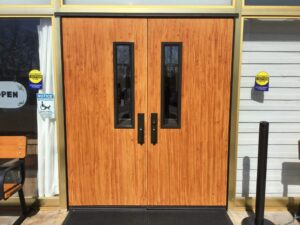
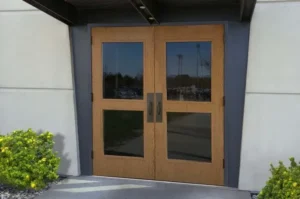
Yes, temperature changes can affect commercial wood doors. Wood naturally expands and contracts with shifts in temperature, which can lead to warping, cracking, or changes in fit over time—especially if the door is not properly sealed or maintained. However, high-quality commercial wood doors with engineered cores and protective finishes are designed to minimize these effects and provide greater stability in environments with fluctuating temperatures.
In summary, if you are in need of a commercial door that can withstand moisture and temperature changes, consider a hollow metal door instead of wood, as this material offers superior durability and stability in harsh or fluctuating environments. However, commercial wood doors can provide a warmer, more natural aesthetic and can be engineered with moisture-resistant cores and finishes for moderate durability in less extreme conditions.
If you have any additional questions about commercial wood doors, email us at [email protected] or give us a call at 800-685-7541 and we’ll be happy to help you out!