


Yes, commercial steel doors are known for their high level of security and tamper resistance. Constructed from heavy-gauge steel and often reinforced with internal cores, these doors provide strong protection against forced entry, vandalism, and other security threats. Many models are compatible with advanced locking systems and security hardware, enhancing their effectiveness in high-risk environments. Their durability and strength make them a trusted choice for facilities that require reliable physical security.


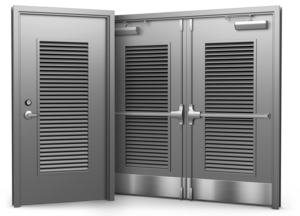
Are steel doors stronger than other commercial door options?
Yes, steel doors are generally stronger than other commercial door options such as wood doors or aluminum doors. Their heavy-gauge construction, reinforced cores, and resistance to impact make them ideal for high-security applications. Steel doors are less likely to warp, crack, or be breached, offering superior protection against forced entry and vandalism. Some of the key strengths and advantages of steel doors compared to other types of commercial doors include:
- Core Construction Matters: Many steel doors are filled with materials like steel-stiffened cores, honeycomb, or polyurethane foam, which enhance strength, insulation, and resistance to warping or denting. Steel-stiffened cores, in particular, are ideal for high-security applications.
- Low Maintenance: Unlike wood doors, steel doors don’t rot, swell, or crack due to moisture or temperature changes. This makes them especially reliable over time with minimal upkeep.
- Fire and Impact Ratings: Steel doors are often available with UL fire ratings and impact-resistant certifications, offering both safety and security in environments like schools, hospitals, and industrial buildings.
- Customizable Security: While inherently strong, steel doors can be paired with advanced security hardware (such as multi-point locks, panic bars, electronic access control) to meet the specific needs of various commercial settings.
- Cost vs. Longevity: Although steel doors may have a higher upfront cost than wood or aluminum, they often prove more cost-effective in the long run due to their durability and lower replacement frequency.
What security features can be added to commercial steel doors?
Commercial steel doors can be enhanced with a wide range of security features to meet the needs of various facilities. Common upgrades include heavy-duty deadbolts, mortise locks, and multi-point locking systems that provide extra resistance against forced entry. Tamper-proof hinges and hinge bolts help prevent the door from being removed or pried open. For added control and monitoring, many steel doors can be integrated with electronic access control systems, such as keypads, card readers, or biometric scanners. Reinforced strike plates and latch guards also improve resistance at vulnerable points. In high-risk environments, additional features like security grilles, vision lite kits with impact-resistant glass, and continuous hinges can further enhance protection. These customizable options allow businesses to tailor security levels to the specific risks of their building.
Are steel doors fire- and bullet-resistant?
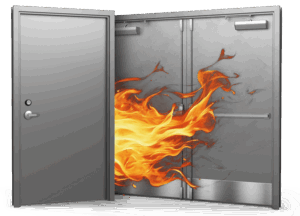
Steel doors can be both fire-resistant and bullet-resistant, depending on how they are manufactured and rated. Many commercial steel doors are available with UL-certified fire ratings, typically ranging from 20 minutes to 3 hours, making them suitable for use in fire-rated walls and code-regulated buildings. These doors are designed to slow the spread of flames and smoke, providing critical time for evacuation and emergency response.
For environments that require protection against gunfire, such as government facilities, schools, or financial institutions, bullet-resistant steel doors are also available. These doors are built to meet standards like UL 752, which outlines performance levels based on the type of firearm and ammunition the door can withstand. Bullet-resistant doors often include reinforced cores and ballistic-rated glazing if vision panels are needed.
It’s important to note that not all steel doors come with these features by default—they must be specified and tested to meet the desired level of fire or ballistic resistance.
Do steel doors meet building security codes?
Yes, steel doors can be manufactured to meet or exceed a wide range of building security codes and standards. They are commonly tested and certified to comply with codes established by organizations such as the National Fire Protection Association (NFPA), Underwriters Laboratories (UL), and the American National Standards Institute (ANSI). These certifications cover areas like fire resistance, forced-entry resistance, impact performance, and accessibility.
For example, UL-listed steel doors may carry fire ratings, while doors tested to ANSI/SDI standards ensure consistent performance for durability and security. In high-security settings, steel doors can also be specified to meet FEMA or Department of Defense criteria for blast or ballistic resistance.
To ensure compliance, it’s essential to select doors and hardware that are properly rated and labeled for their intended application. Working with a certified supplier or installer can help confirm that your steel doors align with local building codes, life safety requirements, and insurance regulations.
How do steel doors perform over time in terms of security?
Steel doors perform exceptionally well over time when it comes to maintaining security. Their durable construction resists warping, cracking, and splintering, which helps preserve their structural integrity and effectiveness against forced entry. Unlike wood or aluminum doors, steel doors are less affected by environmental changes, making them a long-lasting solution for both interior and exterior use.
With proper installation and routine maintenance, such as checking hinges, locks, and weatherstripping, steel doors can retain their security performance for decades. Corrosion-resistant finishes, like galvanization or powder coating, also help protect against rust in harsh environments. Over time, this durability translates into reliable, consistent protection with minimal need for repairs or replacement, making steel doors a dependable choice for security-focused commercial applications.
Can steel doors be breached?
While no door is completely impenetrable, steel doors are among the most resistant to forced entry. Their heavy-gauge steel construction, reinforced cores, and compatibility with advanced locking systems make them significantly harder to breach than wood or aluminum doors. Most attempts to force entry through a properly installed steel door would require specialized tools and significant effort, often deterring intruders altogether.
That said, a steel door’s resistance depends on several factors, including its core type, frame strength, and security hardware. Weak points—such as improperly installed locks, low-grade hinges, or poorly anchored frames—can compromise overall security. To minimize vulnerability, it’s essential to pair steel doors with high-quality locks, tamper-resistant hardware, and professional installation.
In high-security environments, steel doors can also be specified with ballistic, blast-resistant, or impact-rated features to further reduce the risk of breach.
If you are in need of secure and tamper-resistant steel doors, take a look here: Commercial Steel Doors