Are All Commercial Metal Doors Fire-Rated?
Not all commercial metal doors are fire-rated. Fire-rated metal doors are specifically designed to withstand high temperatures and prevent the spread of fire for a set period, typically ranging from 20 minutes to 3 hours. These doors are constructed with special materials and seals that meet fire safety standards. However, many standard commercial metal doors are not fire-rated and are used for general security, access control, or other purposes where fire resistance is not required. It’s essential to select the appropriate door type based on the specific fire safety regulations and building codes for your commercial property.
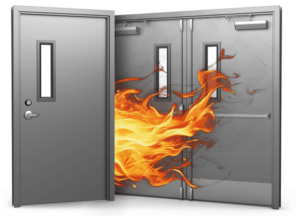
What is a fire-rated commercial metal door?
A fire-rated commercial metal door is a door specifically designed to provide protection against the spread of fire, smoke, and heat within a building. These doors are constructed with fire-resistant materials such as steel, gypsum cores, or mineral core inserts, and are equipped with heat-resistant seals that expand during a fire to help maintain the door’s integrity. Fire-rated doors are tested and rated based on their ability to withstand fire for a specific period, typically ranging from 20 minutes to 3 hours, depending on the door’s rating. These doors are commonly used in commercial buildings to compartmentalize areas, protect escape routes, and safeguard both occupants and valuable assets in the event of a fire. Fire-rated commercial metal doors are required by building codes in certain areas, such as fire exits, stairwells, and between different fire zones.
How can I tell if a commercial metal door is fire-rated?
You can tell if a commercial metal door is fire-rated by checking for a fire rating label or stamp. Fire-rated doors are typically marked with a label or stamp located on the door’s hinge side or top edge. This label will provide key information, including the door’s fire rating duration (e.g., 20 minutes, 1 hour, 2 hours), the manufacturer’s name, and sometimes the testing laboratory that verified the fire rating.
The label may also include certifications from testing organizations like UL (Underwriters Laboratories) or FM (Factory Mutual), indicating that the door has been tested and meets the required fire resistance standards. If the label is missing or unclear, you can consult the manufacturer’s specifications or documentation to confirm whether the door is fire-rated.
Additionally, fire-rated doors often have special hardware, such as fire-rated hinges, closers, and panic hardware. These features can serve as further indicators that the door is designed for fire safety. If you’re still uncertain, it’s a good idea to consult with the manufacturer or a fire safety professional to verify the door’s fire rating.
How do I know if I need a fire-rated door?
To determine if you need a fire-rated door, you’ll need to consider building codes, fire safety regulations, and the specific areas in your commercial property. Here are some key factors to help you assess whether a fire-rated door is necessary:
- Building Codes and Fire Safety Regulations: Local building codes and fire safety regulations usually specify where fire-rated doors are required. These codes are often based on the size, type, and use of the building. It’s essential to consult these codes or work with a fire safety expert to determine where fire-rated doors are mandatory.
- Fire-Resistant Zones: Fire-rated doors are required to separate different fire zones within a building. For example, they may be necessary between areas of high fire risk (such as kitchens, electrical rooms, or boiler rooms) and other parts of the building. Fire-rated doors can also be required in stairwells, hallways, and corridors to contain fires and prevent them from spreading.
- Exits and Egress Routes: Fire-rated doors are typically needed on exit doors, stairwells, and other means of egress in the building. These doors are crucial in providing safe escape routes for occupants during a fire, preventing smoke and flames from blocking escape paths.
- Building Occupancy Type: Different building occupancy types (such as office buildings, hospitals, schools, hotels, and industrial facilities) have varying fire safety requirements. High-occupancy areas or buildings that house hazardous materials often have stricter regulations, requiring fire-rated doors for safety.
- Fire Door Rating Requirements: Fire-rated doors come in different ratings (e.g., 20 minutes, 1 hour, 2 hours, etc.), and the rating required depends on the building’s layout, the materials used, and the potential fire risk in each area. Your local codes or a fire safety expert can help you determine the appropriate fire door rating.
- Local Authorities: If you’re unsure, contacting your local fire marshal or authority having jurisdiction (AHJ) can help clarify which areas require fire-rated doors. They can provide guidance based on your specific building type and location.
By assessing these factors and following local codes, you can determine where fire-rated doors are necessary to protect building occupants and ensure compliance with fire safety standards.
Can I use a non-fire-rated commercial door in fire-sensitive areas?
No, you should not use a non-fire-rated commercial door in fire-sensitive areas. Fire-sensitive areas, such as fire exits, stairwells, corridors, and rooms containing hazardous materials or high fire risks, must be equipped with fire-rated doors to meet building codes and fire safety regulations. Non-fire-rated doors do not have the necessary resistance to heat, smoke, and flames and could allow a fire to spread quickly, compromising safety.
Fire-rated doors are specifically designed to withstand high temperatures for a set period, typically ranging from 20 minutes to several hours, depending on the fire rating. Using non-fire-rated doors in these critical areas would violate fire safety regulations and put building occupants at risk.
It is essential to adhere to fire safety codes to ensure proper protection in the event of a fire. Always check local building codes and consult fire safety professionals to determine the appropriate door type for each area in your commercial property.
How long do fire-rated doors last?
Fire-rated doors are designed to last for many years, typically around 20 to 30 years, depending on the quality of the materials, maintenance, and the environment in which they are used. However, the effectiveness of a fire-rated door may degrade over time due to wear and tear, physical damage, or exposure to harsh conditions.
The fire-resistance rating of the door (such as 20 minutes, 1 hour, 2 hours) refers to how long the door can withstand fire once it is exposed to flames, but this does not mean the door will last indefinitely. Over time, factors such as door frame damage, seal deterioration, or hardware failure can reduce its fire-resistance capabilities.
Regular inspections and maintenance are crucial to ensure that the fire-rated door continues to meet safety standards. This includes checking the door’s seals, hardware, and structural integrity, as well as ensuring that the door is properly fitted and that there are no gaps that could compromise its fire-resistance. If a door is damaged or no longer meets fire safety standards, it should be replaced promptly.
How do fire-rated commercial metal doors work?
Fire-rated commercial metal doors work by providing a barrier that helps prevent the spread of fire, smoke, and heat between different sections of a building. These doors are constructed with materials and design features that allow them to withstand high temperatures for a specific period (typically ranging from 20 minutes to 3 hours). Here’s how they function:
-
Materials: Fire-rated doors are typically made of steel, with a fire-resistant core such as mineral core, gypsum, or fiberglass. These materials are designed to resist heat and prevent the door from burning or warping during a fire. The metal door skin offers strength and durability, while the core materials provide insulation to slow down heat transfer.
-
Intumescent Seals: Many fire-rated doors are equipped with intumescent seals, which are designed to expand when exposed to heat. These seals create a tight barrier that prevents smoke and flames from passing through the gaps around the door when it’s exposed to fire. This expansion helps maintain the integrity of the door during a fire emergency.
-
Fire-Resistant Glass: If the door has windows or vision panels, fire-resistant glass is often used to maintain the fire rating. This type of glass is specially treated to resist heat and prevent breakage during a fire. It allows visibility while still providing fire protection.
-
Self-Closing Mechanisms: Fire-rated doors often include a self-closing mechanism, such as a door closer, to ensure that the door remains closed in the event of a fire. Keeping the door closed helps contain the fire to a specific area, preventing it from spreading through the building.
-
Fire Resistance: The primary function of fire-rated doors is to contain the spread of fire. When a fire occurs, the door’s materials and seals help slow the fire’s progression, giving occupants more time to evacuate safely. The door will remain intact for the duration of its fire rating (e.g., 1 hour or 2 hours), withstanding flames, heat, and smoke.
By meeting specific fire safety standards and building codes, fire-rated commercial metal doors play a crucial role in fire prevention and safety. They are strategically placed in areas such as stairwells, corridors, fire exits, and between different fire zones within a building.
If you are in need of fire-rated commercial metal doors, take a look at them & get a quote here: Fire-Rated Metal Doors
If you have any additional questions about commercial metal doors, email us at [email protected] or give us a call at 800-685-7541 and we’ll be happy to help you out!


