Which Type of Commercial Door is Best For Use in a Hospital or Clinic?
The best type of commercial door for use in a hospital or clinic is a steel or stainless steel door with a 16- or 18-gauge thickness, often paired with a hollow metal frame. These doors offer superior durability, hygiene, and fire resistance, which are key requirements in medical environments. Stainless steel is especially ideal for areas requiring frequent cleaning or exposure to moisture, such as surgical suites or labs. Additionally, doors may include features like vision lites, lead lining (for radiology), and soundproofing for patient privacy.
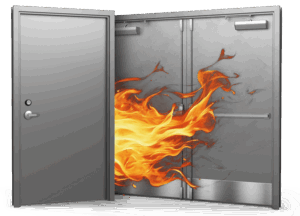

It’s also important that commercial metal doors in hospitals and clinics have high fire ratings and ideally antimicrobial properties. A high fire rating is essential in healthcare settings, where safety is a top priority, as it helps contain fires and prevent their spread—protecting patients, staff, and valuable medical equipment. Antimicrobial properties are equally important, as hospitals are high-risk environments for the spread of bacteria and viruses. Doors with antimicrobial finishes help reduce the risk of infection and support overall cleanliness and hygiene in patient care areas.
What factors matter when choosing a commercial door for a hospital or clinic?
When choosing the best commercial door for a hospital or clinic, several key factors should be considered:
- Durability and Strength: Doors must withstand heavy daily use and potential impacts in busy healthcare environments.
- Fire Rating: High fire resistance is essential to contain fires and protect patients, staff, and sensitive equipment.
- Hygiene and Antimicrobial Properties: Doors should have antimicrobial finishes or materials to minimize the spread of bacteria and viruses.
- Moisture Resistance: In areas like surgical suites or labs, doors need to resist moisture and frequent cleaning.
- Security and Privacy Features: Depending on the area, doors may need lead lining for radiation protection, soundproofing, or vision lites for safety.
- Maintenance and Longevity: Choose materials and finishes that are easy to clean and maintain over time without degrading.
Balancing these factors ensures the door meets the functional, safety, and regulatory demands of healthcare facilities.
What safety features are important for hospital and clinic doors?
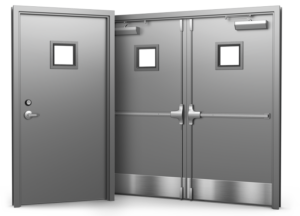
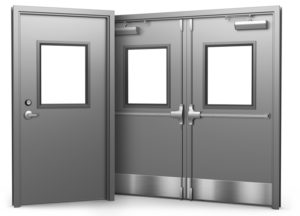
Yes, several safety features are important for commercial doors used in hospitals and clinics. First, doors must have a certified fire rating to help contain fires and protect occupants. Vision lites (windows in the doors) improve visibility, helping prevent accidents in busy corridors while still maintaining privacy.
Antimicrobial surfaces are another key feature, as they reduce the spread of harmful bacteria and viruses, promoting a healthier environment. Automatic or easy-open mechanisms support infection control by enabling hands-free or low-force operation, which also enhances accessibility for patients and staff.
In specialized areas like radiology, doors may include lead lining to block radiation exposure. Lastly, soundproofing is important to help maintain patient privacy and reduce noise in sensitive areas.
Incorporating these safety features helps hospitals and clinics maintain a secure and sanitary environment for everyone.

What fire rating should hospitals and clinic doors have?
Commercial doors in hospitals and clinics typically require a fire rating of at least 20 minutes to 90 minutes, depending on their location and the building code requirements. Many interior doors in patient care and common areas have a 20- or 45-minute rating, while doors leading to critical areas like surgical suites, mechanical rooms, or corridors used as fire barriers often require a 90-minute fire rating. These fire ratings help ensure the doors can contain fires long enough to allow safe evacuation and protect patients, staff, and equipment. Always consult local building codes and fire safety regulations to determine the exact fire rating needed for each door.
Which doors are not recommended for use in hospitals and clinics?
Yes, certain types of commercial doors are generally not recommended for use in hospitals or clinics due to hygiene, safety, or durability concerns. For example:
- Wood Doors: While aesthetically pleasing, wood doors can absorb moisture and harbor bacteria, making them less hygienic and harder to clean compared to metal or stainless steel options.
- Low-Gauge or Thin Metal Doors: Doors made from very thin steel (like 20-gauge or higher) may lack the necessary durability, fire resistance, and impact strength required in busy healthcare environments.
- Unsealed or Non-Fire-Rated Doors: Doors without proper fire ratings or seals can compromise fire safety, which is critical in medical facilities.
It is important to choose commercial doors that are specifically designed for healthcare environments and meet the requirements for fire safety, hygiene, durability, and security. By selecting the appropriate door types, you can help create a safe and healthy environment for patients and staff.
Take a look at our wide variety of commercial metal doors here: Commercial Metal Doors
If you have any additional questions about commercial doors, email us at [email protected] or give us a call at 800-685-7541 and we’ll be happy to help you out!


