Chat with us, powered by LiveChat

EXPRESS ORDERS SHIP IN 3-5 DAYS!

Including modifications such as glass kits, louvers, hardware prep, etc.

  • Home
  • Articles
  • Should I Choose a Single or Double-Louvered Commercial Door?

Should I Choose a Single or Double-Louvered Commercial Door?

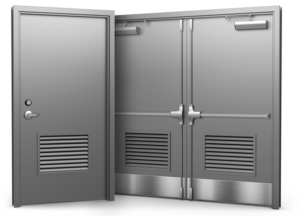
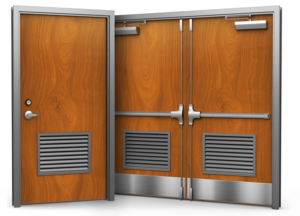
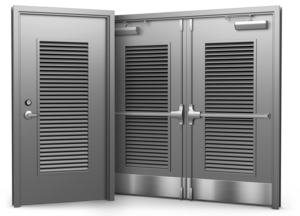
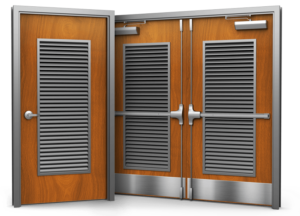
Choosing between a single or double-louvered commercial door depends on your ventilation needs and security priorities. Single-louvered doors offer moderate airflow while maintaining better privacy and protection, making them suitable for areas with limited ventilation requirements. Double-louvered doors provide enhanced airflow, ideal for spaces like mechanical rooms or utility closets that require maximum ventilation. Consider the balance between airflow, security, and aesthetics to select the best option for your specific application.

What is the difference between single and double-louvered doors?

The difference between single and double-louvered doors lies in the placement and amount of ventilation openings. Single-louvered doors have louvers on only one side, providing airflow primarily in one direction, while double-louvered doors feature louvers on both sides, allowing for greater cross-ventilation and increased airflow through the door. This makes double-louvered doors more effective for spaces needing maximum ventilation.

When should I choose a single-louvered door?

You should choose a single-louvered door when you need moderate ventilation but also want to maintain better privacy, security, and control over airflow direction. They work well for areas like offices, storage rooms, or spaces where airflow is important but excessive ventilation or cross-ventilation isn’t necessary. Single-louvered doors help balance airflow with protection from dust and noise.


When is a double-louvered door better?

A double-louvered door is better when you need maximum airflow and ventilation from both sides of the door. This makes it ideal for spaces like mechanical rooms, utility closets, or equipment rooms where effective cross-ventilation helps prevent overheating and promotes air circulation. Double louvers are especially useful in areas that generate heat or require continuous airflow for safety and efficiency.


Do louvered doors affect door strength or security?

Yes, louvered doors can affect door strength and security because the ventilation openings reduce the solid surface area of the door, making it less resistant to impact or forced entry compared to a solid door. While louvers allow airflow, they can create potential weak points. To balance ventilation with security, choose doors with reinforced louvers, heavy-duty materials, or additional security features like locks and frames designed for strength.

Can louvers be added to any commercial door?

Louvers can often be added to many commercial metal doors, but not all doors are compatible. The ability to add louvers depends on the door’s material, construction, and manufacturer specifications. It’s important to consult with the door manufacturer or a professional installer to ensure the door can accommodate louvers without compromising structural integrity, fire ratings, or warranty coverage.

Are there maintenance differences between single and double-louvered doors?

Maintenance for single and double-louvered doors is generally similar and involves keeping the louvers clean and free of debris to ensure proper airflow. However, double-louvered doors may require slightly more frequent cleaning since they have ventilation openings on both sides, which can accumulate dust or dirt more quickly. Regular inspections help maintain performance and prevent blockages regardless of the louver type.

How do I decide which louvered door fits my building code requirements?

To decide which door fits your building code requirements, start by reviewing local building and fire safety codes related to ventilation, fire ratings, accessibility, and security for your specific type of facility. Consult with building inspectors, architects, or door manufacturers who are familiar with these regulations. Additionally, ensure the door’s certifications, such as fire ratings, match the code mandates for your application. Professional guidance helps ensure your door choice meets all legal and safety standards.

Take a look at metal doors with louvers here: Commercial Metal Doors with Louvers

Also, take a look at wood doors with louvers here: Commercial Wood Doors with Louvers

BUILD INSTANT QUOTE