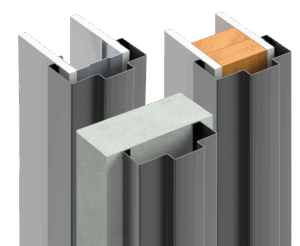
Yes, commercial wood doors can be insulated to improve thermal performance and energy efficiency. Insulated wood doors typically feature a solid core made from materials like polyurethane, polystyrene, or mineral core, which provide thermal resistance while maintaining the strength and appearance of traditional wood. These doors are often used in temperature-controlled environments or exterior applications where minimizing heat transfer is important. Proper sealing and installation further enhance their insulating capabilities.
What type of core materials are used in insulated wood doors?
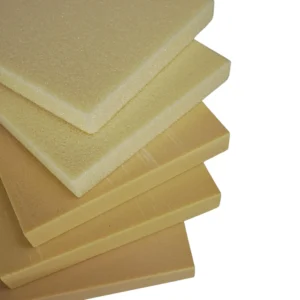
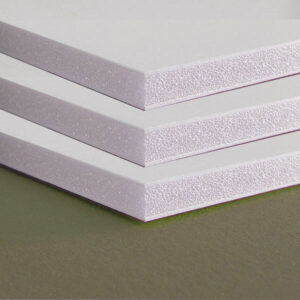
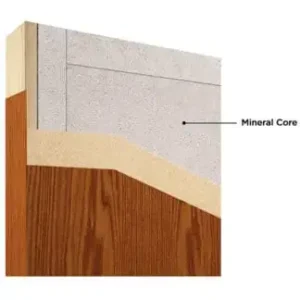
Insulated wood doors commonly use core materials such as polyurethane foam, polystyrene foam, and mineral core. Polyurethane and polystyrene cores provide excellent thermal insulation by reducing heat transfer, making them ideal for energy-efficient applications. Mineral cores, often made from non-combustible materials like gypsum or perlite, offer both insulation and enhanced fire resistance, making them suitable for doors that require fire ratings as well. Each core type balances insulation performance, fire safety, and structural strength depending on the door’s intended use.
Are insulated wood doors suitable for exterior use?
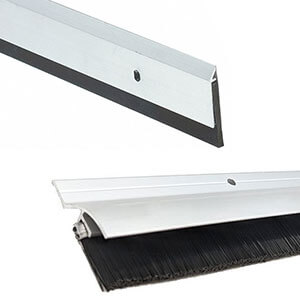
Yes, insulated wood doors are suitable for exterior use. When properly constructed with weather-resistant finishes, quality seals, and appropriate hardware, they provide effective thermal insulation that helps maintain indoor temperatures and improve energy efficiency. Additionally, the insulation core helps reduce drafts and heat loss, making these doors ideal for exterior entrances in commercial buildings where both durability and energy performance are important.
Do insulated wood doors look different from standard wood doors?
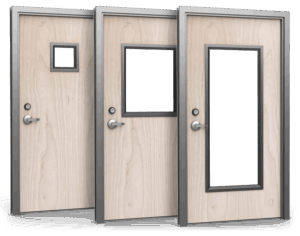
No, insulated wood doors generally look the same as standard wood doors. The insulation is built into the door’s core, which is hidden beneath the outer wood veneer or finish. This means insulated doors can be designed with the same styles, veneers, stains, and paint options as non-insulated wood doors, allowing them to seamlessly match the aesthetics of any commercial space without sacrificing energy efficiency.


Where are insulated wood doors typically used?
Insulated wood doors are typically used in commercial settings where energy efficiency and temperature control are important. Common applications include exterior entrances of office buildings, schools, hotels, hospitals, and climate-controlled areas like refrigerated rooms or data centers. They’re also popular in spaces that require both thermal insulation and attractive wood aesthetics, combining functionality with design.
Can an existing wood door be retrofitted to be insulated?
No, an existing wood door generally cannot be retrofitted to be insulated. Insulation needs to be integrated into the door’s core during manufacturing to ensure proper thermal performance, structural integrity, and compliance with energy codes. Simply adding insulation to a finished door or hollow cavity won’t provide effective or reliable insulation and may compromise the door’s strength and durability. For improved insulation, it’s best to replace the door with a factory-made insulated wood door.