What Types of Wood are Commonly Used for Commercial Wood Doors?
There are many different types of wood that are commonly used for commercial wood doors. The choice of wood will depend on factors such as the desired aesthetic, durability requirements, and budget. Hardwood doors are generally more durable and expensive than softwood doors.
Common types of wood used for commercial wood doors include oak, maple, birch, and mahogany due to their durability, strength, and attractive grain patterns. Veneered doors are especially popular, often featuring a hardwood face over a solid or engineered core for cost-efficiency and stability. Oak is prized for its toughness and traditional look, while maple offers a smooth, modern finish. Birch is a versatile, budget-friendly option, and mahogany provides a rich, high-end appearance. These woods are chosen based on the desired aesthetics, performance, and fire-rating requirements of the commercial space.
What are the common hardwoods used for commercial wood doors?
Common hardwoods used for commercial wood doors include red oak, white oak, maple, birch, cherry, mahogany, and walnut. These species are favored for their strength, durability, and distinctive grain patterns. Red and white oak are especially popular for their toughness and traditional appearance. Maple and birch offer a clean, smooth finish suitable for modern designs. Cherry and mahogany provide a rich, upscale look, while walnut adds a deep, elegant tone often used in high-end applications. These hardwoods are typically used as veneers over engineered cores to balance performance and cost. They are more durable and expensive than softwoods, making them a popular choice for commercial settings where quality and aesthetics are important.
What are the common softwoods used for commercial wood doors?
Common softwoods used for commercial wood doors include pine, fir, and hemlock. These species are generally more affordable and easier to work with than hardwoods. Pine is widely used for its light color, smooth texture, and cost-effectiveness. Douglas fir is valued for its strength and stability, making it a reliable option for structural door applications. Hemlock offers a straight grain and uniform appearance, often used where a clean, natural look is desired. While softwoods are less dense than hardwoods, they are suitable for commercial doors in less demanding environments or when budget is a key consideration: however, they can still provide a functional and attractive door option.
Why are hardwoods often preferred over softwoods?
Hardwoods are often preferred over softwoods for commercial wood doors because they are denser, more durable, and more resistant to wear and impact, making them ideal for high-traffic or demanding environments. Hardwoods like oak, maple, and mahogany also offer richer grain patterns and a more refined appearance, which enhances the aesthetic of office buildings, schools, and other commercial spaces. Additionally, hardwoods tend to hold up better over time, contributing to longer-lasting performance and lower maintenance needs, which is especially important in commercial settings.
What is a wood veneer door?
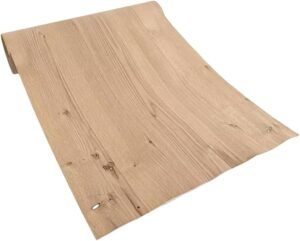
A wood veneer door is a door made with a thin layer of real hardwood (the veneer) applied over a core made from engineered materials such as particleboard, stave core, or mineral core. This design gives the door the appearance of solid wood while being more cost-effective, stable, and resistant to warping or cracking. Veneer doors are commonly used in commercial settings because they offer the aesthetic appeal of premium wood species like oak, maple, or mahogany, along with the structural benefits and consistency of an engineered core.
Are engineered cores used with wood doors?
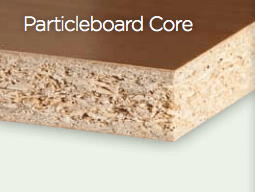
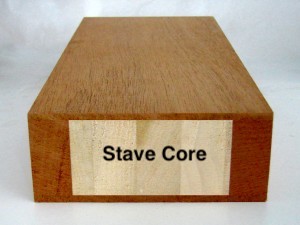
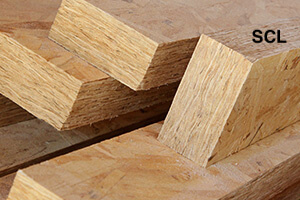
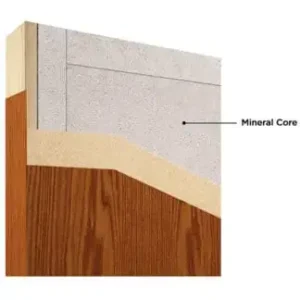
Yes, engineered cores are commonly used with wood doors, especially in commercial applications. These cores, such as particleboard, stave core, structural composite lumber (SCL), and mineral core, are placed at the center of the door and then covered with wood veneer or laminate. Engineered cores provide enhanced stability, strength, and resistance to warping, making the doors more durable and consistent over time. Certain core types, like mineral core, are also used to meet fire-rated or sound-rated requirements. Overall, engineered cores help balance performance, cost, and appearance in commercial wood door construction.
 .
. 
How can I choose the best wood for my commercial wood door?
Choosing the best wood for your commercial wood door depends on several factors, including aesthetics, durability, cost, maintenance, and environmental considerations. Consider the desired appearance of the door, the level of durability required, your budget, and the maintenance involved.
- Aesthetics: Consider the desired appearance of the door. Some woods have a light color, while others are darker. The grain pattern and texture can also affect the overall look.
- Durability: If the door will be exposed to heavy use or harsh conditions, choose a durable wood like oak or maple.
- Cost: Hardwood doors are generally more expensive than softwood doors. Consider your budget when making your decision.
- Maintenance: Some woods require more maintenance than others. For example, softwoods like pine may be more prone to scratches and dents.
- Environmental considerations: If sustainability is important to you, consider using wood from sustainably managed forests.
To make an informed decision, consult with a professional, consider the overall design of your building, and visit a lumberyard or home improvement store to see different wood options. By carefully weighing these factors, you can select the wood that best suits your needs and preferences.
If you are in need of commercial wood doors, take a look at them & get a quote here: Commercial Wood Doors
If you have any additional questions about commercial wood doors, email us at [email protected] or give us a call at 800-685-7541 and we’ll be happy to help you out!