


What is the Fire Rating of a Commercial Wood Door?
Fire ratings for commercial wood doors vary depending on the specific construction and materials used. These ratings typically indicate how long the door can resist fire and heat before failing under standard testing conditions.
Here are some common fire ratings for commercial wood doors:
- 1-hour rating: The door can resist fire and heat for at least one hour before failing.
- 1.5-hour rating: The door can resist fire and heat for at least 1.5 hours before failing.
- 2-hour rating: The door can resist fire and heat for at least two hours before failing.
Higher fire ratings generally require more robust construction, such as using thicker wood panels or incorporating fire-resistant materials like intumescent coatings. These coatings expand and form a protective layer when exposed to heat, helping to insulate the door and delay its failure.
It’s important to note that fire ratings are typically determined by independent testing laboratories and must comply with relevant building codes and regulations. The specific fire rating required for a commercial wood door will depend on the building’s occupancy, use, and local fire safety standards.

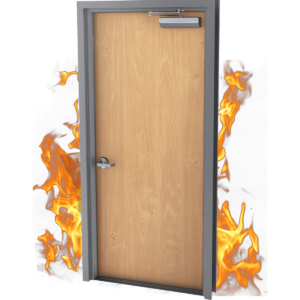

What determines the fire rating of a commercial wood door?
The fire rating of a commercial wood door is determined by a combination of factors, including:
- Construction: The thickness and type of wood used, as well as the presence of reinforcing elements like stiffeners or metal plates.
- Hardware: The type and quality of hinges, locksets, and other hardware components can affect the door’s fire resistance.
- Core: The material used for the core of the door, such as honeycomb cardboard or polystyrene, can influence its fire resistance properties.
- Veneer and Finishes: The type of veneer and any protective finishes applied to the door can impact its ability to withstand fire.
- Fire-Resistant Treatments: The use of intumescent coatings or other fire-resistant treatments can significantly improve the door’s fire rating.
These factors are evaluated through rigorous testing procedures conducted by independent laboratories. The tests simulate real-world fire conditions and assess the door’s ability to resist fire and heat for a specified period of time. The results of these tests determine the official fire rating of the door.
It’s important to note that fire ratings are typically based on the door’s performance under specific test conditions. Actual fire performance may vary depending on factors like the intensity of the fire, the presence of other combustibles, and the overall design of the building.
What are some common fire-resistant materials used in commercial wood doors?
Intumescent Coatings: These coatings are designed to expand and form a protective layer when exposed to heat. This layer acts as an insulation barrier, slowing the transfer of heat to the door’s core and delaying its failure.
Fire-Resistant Wood: Certain types of wood, such as modified wood or fire-retardant treated wood, have inherent fire resistance properties. These woods may be treated with chemicals or undergo special processing to improve their fire performance.
Fire-Resistant Core Materials: Some core materials, such as mineral-based or ceramic-based materials, are naturally more resistant to fire. These materials can be used in conjunction with other fire-resistant treatments to enhance the overall fire performance of the door.
Fire-Resistant Glass: If the door incorporates glass panels, fire-resistant glass can be used to help prevent the spread of fire and smoke.
It’s important to note that the specific fire-resistant materials used in a commercial wood door will depend on the desired fire rating and other factors such as cost, availability, and environmental considerations. The combination of these materials and their proper application can significantly improve the door’s ability to withstand fire and heat.
How often should fire-rated commercial wood doors be inspected and tested?
Fire-rated commercial wood doors should be inspected and tested regularly to ensure their continued effectiveness and compliance with building codes. The specific frequency of inspections and tests may vary depending on local regulations, the door’s age, usage, and any damage or wear that may have occurred.
Here are some general guidelines for inspecting and testing fire-rated commercial wood doors:
- Annual Inspections: Conduct visual inspections at least once a year to check for signs of damage, wear, or corrosion. Look for cracks, dents, or other defects that could compromise the door’s integrity.
- Regular Testing: Perform functional tests on the door hardware, including hinges, locks, and handles, to ensure they operate properly.
- Periodic Fire Testing: Depending on local regulations, fire-rated doors may need to be subjected to periodic fire tests to verify their continued compliance with fire safety standards. These tests typically involve exposing the door to controlled fire conditions and assessing its performance.
It’s recommended to consult with local building codes and fire safety authorities for specific guidelines on inspection and testing requirements in your area. Regular maintenance and testing can help to ensure the long-term effectiveness and safety of your fire-rated commercial wood doors.
If you are in need of fire-rated commercial wood doors, take a look at them & get a quote here: Fire-Rated Commercial Wood Doors
If you have any additional questions about commercial wood doors, email us at [email protected] or give us a call at 800-685-7541 and we’ll be happy to help you out!