What are the Different Parts of a Commercial Metal Door?
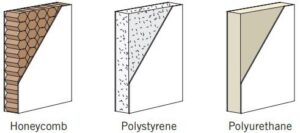
A commercial metal door is made up of several essential parts that contribute to its strength, functionality, and performance. These include the door face (the visible steel surface on both sides), a core (often made of steel, honeycomb, polyurethane, or mineral for fire resistance), and reinforcements for hardware like locks, hinges, and closers. Other components include edge seams (welded or interlocked for durability), hinge and lock preps, and sometimes vision lites or louvers for added functionality. Together, these elements make the door secure, durable, and suitable for a variety of commercial applications.

What is the door panel?
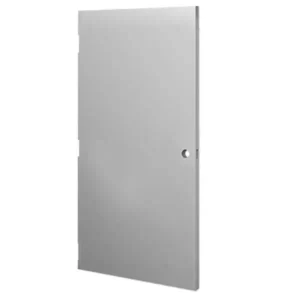
The door panel is the complete, solid part of a door that swings open and closed within the frame. In commercial settings, it’s typically a single, flat slab made of steel, aluminum, or another durable material. A door panel includes several components: the outer faces (usually steel sheets), the core (such as honeycomb, steel-stiffened, or mineral for fire ratings), edge reinforcements for hardware installation, and may also feature cutouts for light kits, louvers, or locks.
Essentially, the door panel is the entire door leaf—everything between the hinges and latch—that fits into the frame and provides security, insulation, and fire protection, depending on its construction.
What is the door frame?
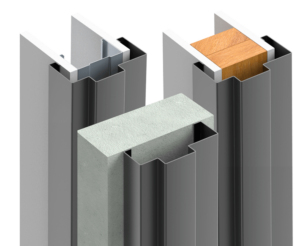
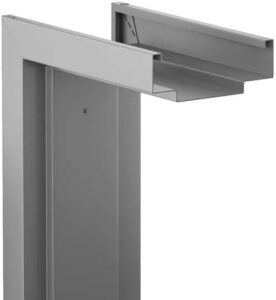
The door frame is the structure that surrounds and supports the door panel, allowing it to open and close properly. In commercial settings, door frames are typically made of metal (usually steel or aluminum) and consist of three main parts: the jambs (the vertical sides), the head (the horizontal top), and sometimes the threshold (the bottom, especially for exterior or fire-rated openings).
The frame is securely anchored to the surrounding wall and includes features like stops (to prevent the door from swinging through), reinforcements for hardware (hinges, strikes, closers), and may be either knocked down (KD) for on-site assembly or welded for added strength. The door frame plays a critical role in the door’s overall function, durability, security, and fire resistance.

What is the door hardware?
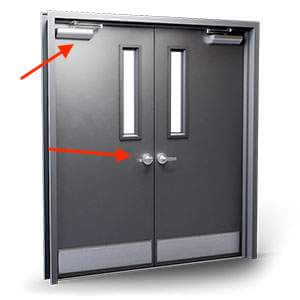
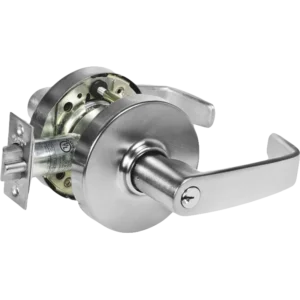
Door hardware refers to the various components and accessories attached to a door that enable it to function properly, provide security, and enhance convenience. It includes items such as locks and latches, which are essential for securing the door, with options like deadbolts, knob locks, lever locks, and electronic locks. Hinges are another crucial component, allowing the door to pivot and swing open and closed. These come in various types, including butt hinges and continuous (piano) hinges.
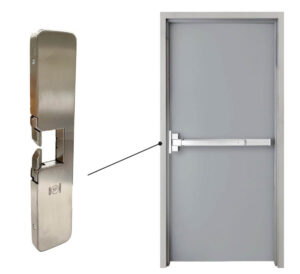
Other important door hardware includes handles and pulls, which are used to open and close the door, and can range from simple knobs to more elaborate handles. Panic bars or exit devices are specialized hardware designed for emergency exits, allowing a door to be opened quickly from the inside without a key. Door closers are devices that ensure the door closes automatically after being opened, often with adjustable speed and force.
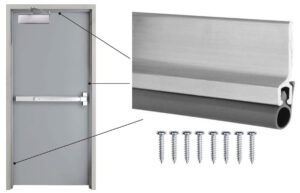
Additionally, strikes and plates are important for the door’s operation. The strike plate is the metal plate on the frame that the door latch or bolt engages with when the door is closed. Finally, weatherstripping and seals help prevent drafts, noise, and water from entering the building around the door edges. Together, all of these components are essential for ensuring the functionality, security, fire safety, and convenience of a door in both commercial and residential settings.
What are the optional additional features for a commercial metal door?
Commercial metal doors can be customized with several optional additional features to enhance their functionality, security, and aesthetic appeal. Some of the common optional features include:
- Light kits: These are glass windows installed in the door to provide visibility without opening it. They are especially useful for safety and security purposes, allowing people to see who’s on the other side.
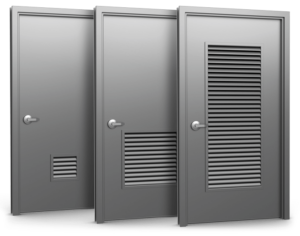
- Louvers: These are openings with slats that allow for ventilation and air circulation. Louvers are commonly added to doors in areas where airflow is important, such as in utility rooms or mechanical spaces.
- Fire-Rated Core: For added fire protection, a fire-rated core can be inserted into the door. These cores are made from fire-resistant materials to slow the spread of fire and smoke, making them ideal for high-risk areas like stairwells, corridors, and fire exit doors.
- Soundproofing: Some doors are fitted with additional materials or seals to reduce sound transmission. This is particularly beneficial for doors in offices, conference rooms, or other spaces requiring sound isolation.
- Security Features: For enhanced security, doors can be equipped with features such as reinforced panels, security glazing, or specialized locking mechanisms. These are commonly used in high-security areas like government buildings, banks, and data centers.
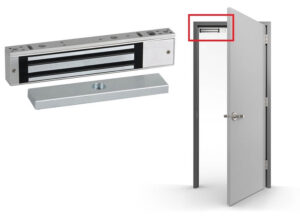
- Electromagnetic Locks: These locks use an electromagnetic field to secure the door, often used in commercial or high-security settings. They can be integrated into access control systems for added convenience.
- Weatherstripping and Seals: These additions help seal gaps around the door to prevent drafts, water infiltration, and to improve insulation, making them ideal for external doors or doors in areas with extreme weather conditions.
- Kick Plates and Push Plates: These metal plates are attached to the lower portion of the door to protect it from damage caused by foot traffic or pushing. They are commonly used in high-traffic areas.
- Double Doors and Sidelights: Some commercial spaces require wider openings, so double doors or doors with sidelights (glass panels adjacent to the door) can be added for easier access or to allow more natural light into the space.


These optional features allow commercial metal doors to be customized to meet specific needs, whether for aesthetics, safety, functionality, or compliance with local codes.
If you are in need of commercial metal doors, take a look at our wide variety of options & get a quote here: Commercial Metal Doors
If you have any additional questions about commercial metal doors, email us at [email protected] or give us a call at 800-685-7541 and we’ll be happy to help you out!


