What is a Commercial Door Louvre?
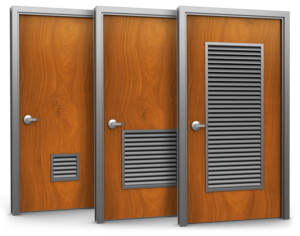
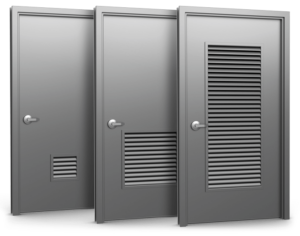
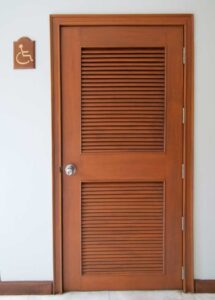
A commercial door louvre is a ventilation feature integrated into a door, typically used in commercial buildings to allow air circulation while maintaining privacy and security. Made from horizontal slats or blades, louvers enable airflow without compromising the structure’s integrity or letting in excessive light or moisture. Commonly used in offices, warehouses, and utility rooms, commercial door louvers help regulate temperature and humidity, preventing mold growth and ensuring a comfortable environment while complying with building codes.
What is the purpose of a commercial door louvre?
The purpose of a commercial door louvre is to provide controlled ventilation while maintaining privacy, security, and the integrity of the building structure. It allows air to circulate between spaces, helping regulate temperature and humidity, which can prevent issues like mold growth and improve air quality. Commercial door louvers are commonly used in environments such as offices, warehouses, and utility rooms where airflow is needed but without compromising the building’s security or privacy. They also contribute to energy efficiency by promoting natural airflow and reducing reliance on mechanical ventilation systems.
What are the main benefits of commercial door louvers?
-
Improved Ventilation: They allow air to flow freely between rooms or spaces, promoting better airflow and preventing stale or stagnant air, which is crucial for maintaining a comfortable and healthy environment.
-
Temperature and Humidity Regulation: By facilitating airflow, louvers help regulate temperature and humidity levels, preventing issues like mold growth and maintaining a consistent indoor climate.
-
Enhanced Privacy and Security: While allowing ventilation, commercial door louvers provide privacy by blocking the view into a room, making them ideal for spaces that require both airflow and security.
-
Energy Efficiency: Louvers can help reduce energy consumption by enabling natural ventilation, which can decrease the need for air conditioning or mechanical ventilation systems.
-
Prevention of Moisture Build-up: By promoting airflow, louvers reduce the likelihood of moisture accumulation, which can lead to mold and mildew growth, particularly in areas like basements and storage rooms.
Overall, louvres offer a versatile solution for various needs, from improving ventilation and privacy to enhancing the overall appearance of a building.
Are louvers secure?
Louvers can be secure when properly selected and installed for the application. Heavy-duty steel or aluminum fixed-blade louvers offer greater security than lightweight or operable versions. For sensitive areas, security louvers with tamper-proof fasteners, reinforced blades, and welded construction are recommended. However, standard louvers may present a vulnerability to forced entry if not reinforced with additional measures like internal security grilles or mesh screens. For exterior or restricted-access doors, choosing louvers with specific security ratings or enhancements is key to balancing airflow needs with safety.
Can louvers help with energy efficiency?
Yes, louvers can contribute to energy efficiency when used strategically. By allowing natural airflow and ventilation, they help regulate indoor temperature, reducing the need for mechanical heating or cooling, especially in utility rooms, mechanical spaces, or non-conditioned areas. This passive ventilation can lower HVAC usage and energy costs.
In climate-controlled environments, intelligently placed louvers can relieve pressure buildup and support balanced air exchange, improving HVAC performance. However, to maximize energy efficiency, it’s important to use properly sized and sealed louvers, especially in exterior doors, to prevent unwanted air leakage or heat transfer.
In short, louvers can enhance energy efficiency by promoting airflow and reducing HVAC strain, but they must be thoughtfully integrated into the building’s overall design.
How do louvers improve air quality?
Louvers improve air quality by promoting natural ventilation and air circulation, which helps reduce the buildup of heat, humidity, odors, and airborne contaminants—especially in enclosed or utility spaces. Here’s how they help:
- Fresh Air Flow: Louvers allow fresh air to enter and stale air to escape, diluting pollutants like dust, fumes, or cleaning chemicals.
- Moisture Control: In damp areas (like janitor closets or mechanical rooms), louvers help prevent mold and mildew by letting humidity escape.
- Equipment Ventilation: In electrical or mechanical rooms, they vent heat and fumes generated by machines, improving air quality and safety.
- Healthier Spaces: Better airflow means fewer airborne irritants and a reduced risk of respiratory issues in commercial and industrial settings.
While louvers alone don’t filter air like HVAC systems do, they support passive ventilation, which plays a key role in maintaining cleaner, healthier indoor environments—especially where active ventilation is limited.
Where are commercial door louvers commonly used?
Commercial door louvers are commonly used in a variety of settings where ventilation and airflow are needed while maintaining privacy, security, or fire safety. Here are some of the most common applications:
- Mechanical & Electrical Rooms: To allow air to circulate and cool equipment like HVAC systems, electrical panels, and generators without compromising door security.
- Utility & Storage Closets: Provides passive ventilation for mop closets, janitor rooms, and supply closets where humidity or fumes may build up.
- Healthcare Facilities: Used on doors in hospitals, clinics, and labs for controlled airflow between rooms, especially in equipment rooms or maintenance areas.
- Schools & Universities: Found on doors to utility rooms, boiler rooms, or maintenance areas, often required by code for ventilation purposes.
- Commercial Buildings & Offices: For areas like server rooms, IT closets, and maintenance rooms where equipment needs airflow to stay cool.
- Industrial Facilities & Warehouses: Louvers on doors help regulate airflow in large facilities with machinery, chemicals, or varying temperature zones.
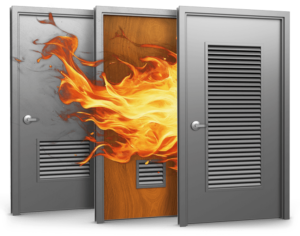
- Fire-Rated Doors (With Fire Louvers): Special fusible-link louvers can be installed in fire-rated doors to maintain ventilation but close automatically in the event of a fire.
They’re a functional component that balances airflow, safety, and compliance with building codes.


Do commercial door louvers require maintenance?
Yes, commercial door louvers do require maintenance, but it’s generally minimal and easy to manage. Routine upkeep ensures they continue to perform effectively in terms of ventilation, air quality, and security.
Basic maintenance includes regularly cleaning the louvers to remove dust, debris, or grease that can block airflow, especially in high-use or dusty environments like mechanical rooms or kitchens. It’s also important to inspect for damage, such as bent blades, rust, corrosion, or loose fasteners, as these issues can reduce performance and compromise security. If the louver has a built-in insect screen or security mesh, check it for tears or blockages.
For operable louvers or those with fusible links (such as in fire-rated doors), test functionality to ensure they open, close, or release properly when needed. Generally, inspecting louvers quarterly or semi-annually is sufficient, though spaces with higher traffic or environmental exposure may require more frequent checks.
Regular maintenance helps extend the lifespan of both the louver and the door, while also supporting airflow, code compliance, and overall building performance.
Are commercial door louvers customizable?
Yes, commercial door louvers are highly customizable to meet specific building, aesthetic, and functional needs. Manufacturers offer a wide range of options so you can tailor louvers to your project’s exact requirements. Common customization options include:
- Size & Shape: Louvers can be made in custom dimensions to fit non-standard door sizes or specific airflow needs.
- Material: Options include steel, stainless steel, aluminum, or even galvanized finishes for corrosion resistance.
- Blade Style: Choose from standard, inverted Y-blades, chevron, or storm-resistant profiles depending on airflow, water resistance, or security needs.
- Security Features: Add security screens, tamper-proof fasteners, or reinforced frames for sensitive areas.
- Fire-Rated Versions: Louvers with fusible links or intumescent materials can be built to comply with fire-rated door standards.
- Aesthetic Finishes: Powder-coated finishes in custom colors are available to match building interiors or branding.
Whether you need louvers that meet code requirements, withstand weather, or match a specific design vision, most manufacturers can create a louver that checks all the boxes. Customization helps ensure the louver performs well without compromising style, security, or compliance.
If you are in need of commercial doors, you’re able to customize them with louvres & get a price quote here:
Commercial Metal Doors with Louvers
Commercial Wood Doors with Louvers
Fire-Rated Doors with Louvers
If you have any additional questions about commercial metal doors, email us at [email protected] or give us a call at 800-685-7541 and we’ll be happy to help you out!


