


Weatherproofing commercial metal doors is important because it helps protect the door from the damaging effects of environmental elements, such as rain, snow, humidity, and temperature fluctuations. Proper weatherproofing prevents rust, corrosion, and moisture damage, which can lead to premature wear, structural issues, and costly repairs or replacements. It also improves energy efficiency by minimizing drafts and heat loss, which can lower utility costs. Additionally, weatherproofed doors enhance the comfort and safety of the building’s interior, ensuring a secure, climate-controlled environment for employees, customers, and valuable assets.
Are Commercial Metal Doors Weatherproof?
Commercial metal doors are not inherently weatherproof; however, they are generally designed to be weather-resistant, making them suitable for exterior use in a variety of climates. Most are made from durable materials like steel or aluminum and include protective coatings to guard against rust, corrosion, and moisture damage. When properly installed with quality weather stripping and maintained regularly, these doors provide excellent protection against rain, wind, and temperature fluctuations. However, for extreme environments, additional seals or finishes may be necessary to enhance their weatherproof performance.
Why is weatherproofing commercial metal doors important?
How can I improve the weather resistance of my commercial metal door?
To improve the weather resistance of your commercial metal door, consider the following steps:
-
Apply a Protective Coating or Sealant: Use a high-quality weather-resistant coating or sealant to protect the door from moisture, rust, and corrosion, especially for exterior doors exposed to harsh conditions.
-
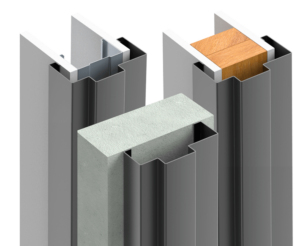
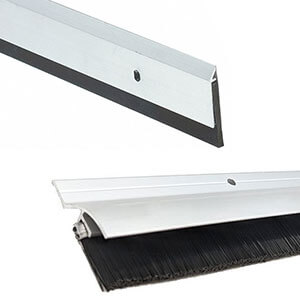
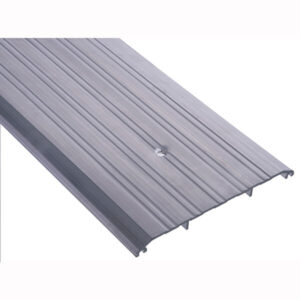
Ensure Proper Weatherstripping: Install or replace weatherstripping around the door frame to prevent drafts, water intrusion, and energy loss. Make sure the seal is tight and in good condition.
-
Regular Cleaning and Maintenance: Clean the door regularly to remove dirt, salt, and moisture that can lead to corrosion. Inspect for any scratches or chips in the finish and touch them up promptly to prevent rust from forming.
-
Install Insulation: Consider adding insulation to the door, especially if it’s an exterior door, to improve energy efficiency and reduce the impact of extreme temperatures.
-
Check for Gaps and Cracks: Inspect the door for any gaps, cracks, or signs of wear that could allow moisture or air to enter. Seal any gaps with caulk or other appropriate materials.
-
Choose High-Quality Materials: If installing a new door, select materials designed for better weather resistance, such as galvanized steel, aluminum with corrosion-resistant coatings, or doors with enhanced insulation properties.
By taking these steps, you can significantly enhance the weather resistance of your commercial metal door, ensuring it remains durable and effective for years to come.

Can commercial metal doors withstand snow and freezing temperatures?
Will a commercial metal door rust in wet conditions?
A commercial metal door can rust in wet conditions if it is not properly maintained or if the door lacks a protective coating. While many commercial metal doors are made with corrosion-resistant coatings such as galvanized steel or powder coating to help prevent rust, prolonged exposure to moisture, humidity, or standing water can still lead to rust and corrosion over time, especially if the door is scratched or damaged.
To prevent rust in wet conditions, it’s essential to regularly inspect the door for signs of wear, such as chips or scratches in the finish. Touching up these areas promptly can help protect the underlying metal. Additionally, applying a protective sealant and maintaining proper weatherstripping can help minimize exposure to moisture. Routine cleaning and maintenance also help ensure the door’s finish remains intact and resistant to corrosion.
Are there weatherproof options for commercial metal doors?
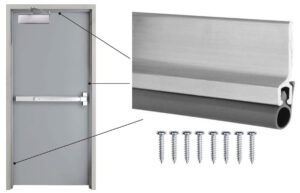
What are the benefits of weatherproofing your commercial metal doors?
Weatherproofing your commercial metal doors offers several key benefits that help protect both the door itself and the building it secures. One of the primary advantages is enhanced durability. Weatherproofing helps shield the door from harsh environmental conditions, including rain, snow, high winds, and temperature fluctuations. This protection significantly reduces the risk of rust, corrosion, or damage caused by moisture, which can deteriorate the door’s material and functionality over time. By extending the lifespan of your doors, you can avoid costly repairs or premature replacements.
Another important benefit is improved energy efficiency. Proper weatherproofing, such as adding insulation and sealing gaps with weatherstripping, prevents drafts and heat loss. This helps maintain a stable indoor temperature, reducing the strain on your heating and cooling systems, and ultimately lowering energy bills. Weatherproofed doors also enhance the overall comfort of the building’s interior, providing a more consistent climate for employees, customers, or goods.
In addition to improving energy efficiency and longevity, weatherproofing increases the security of your building. Properly sealed and insulated doors are more resistant to forced entry, which is particularly important for businesses that store valuable inventory or sensitive information. Weatherproofed doors also prevent water and moisture from seeping into the building, which could damage equipment, furniture, or inventory, and reduce the risk of mold growth or structural damage caused by water infiltration.
Overall, weatherproofing your commercial metal doors helps protect your investment by reducing maintenance costs, improving energy efficiency, enhancing security, and prolonging the door’s service life. It’s an effective strategy for businesses located in areas with harsh weather conditions, ensuring the building remains secure, functional, and energy-efficient year-round.
What are signs of a poorly weatherproofed commercial metal door?
Signs of a poorly weatherproofed commercial metal door can be identified through both visible and functional issues. One of the most common indicators is visible rust or corrosion on the door’s surface. This often happens when the protective coating has worn off or the door is exposed to moisture without proper sealing, allowing water to penetrate the metal.
Another sign is drafts or temperature fluctuations inside the building, indicating that the door’s weatherstripping or seals are damaged or missing. This can result in an uncomfortable interior environment and higher energy costs due to heat loss or infiltration of cold air. Similarly, moisture buildup or water damage around the door frame or on the floor is a clear sign that the door isn’t properly sealed, allowing rain or snow to seep in.
You may also notice sticking or difficulty in opening or closing the door, which can occur if moisture has caused warping, swelling, or damage to the door’s frame and seals. Additionally, if the door has gaps around the edges or at the bottom, it is not effectively weatherproofed and could allow drafts, water, or pests to enter.
Finally, mold or mildew growth near the door or on surrounding surfaces could signal excessive moisture infiltration, which is often the result of poor weatherproofing. This not only damages the door but also creates an unhealthy indoor environment. If you notice any of these signs, it’s essential to address weatherproofing issues promptly to prevent further damage and improve the door’s performance.
How often should commercial metal doors be inspected for weatherproofing issues?
Commercial metal doors should be inspected for weatherproofing issues at least twice a year, especially before harsh weather conditions. Typically, doors should be inspected in the spring for any damage caused by winter storms or freezing temperatures and again in the fall for damage caused by summer storms, high humidity, or extreme heat. It’s also a good idea to inspect doors after severe storms or heavy rainfall to ensure that they haven’t been compromised. By conducting regular inspections, you can identify and address weatherproofing issues before they lead to more significant problems.
If you are in need of weatherproof commercial metal doors, take a look at them & get a quote here: Commercial Metal Doors
If you have any additional questions about commercial metal doors, email us at [email protected] or give us a call at 800-685-7541 and we’ll be happy to help you out!