Where are Commercial Metal Doors Used?
Commercial metal doors are used in a wide range of settings, including office buildings, schools, hospitals, warehouses, factories, and retail spaces. They are commonly installed in areas requiring high security, durability, and fire resistance, such as entryways, storage rooms, loading docks, and utility spaces. These doors are ideal for both exterior and interior applications, providing protection against weather, theft, and unauthorized access while maintaining functionality and safety in high-traffic environments.

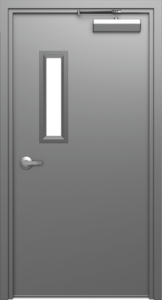

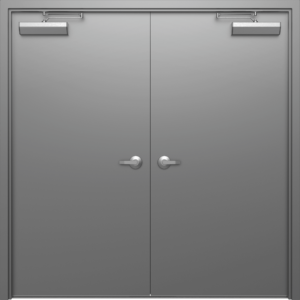


What are the most common locations for commercial metal doors?
Retail Stores: Their main purpose in retail stores is to provide a positive customer experience and security. Storefront commercial doors are the first impression customers have of a business; therefore, a well-designed and functional door can create a positive and inviting atmosphere. Interior commercial doors help protect merchandise and prevent theft. You will typically find a commercial storefront door at each entrance and interior commercial doors for offices, back rooms and restrooms.
Office Buildings: Their main purpose in office buildings is security, privacy and safety. Main entrance and interior commercial doors help protect employees and assets, provide privacy for employees and visitors and many of these tend to be fire-rated so that they are able to help contain fires and prevent their spread. You’ll find main entrance commercial doors as well as interior commercial doors for offices, conference rooms, stairways and restrooms.
Industrial Facilities: Their main purpose in industrial facilities is to provide efficiency, safety and durability. Warehouse commercial doors must be easy to open and close for efficient loading and unloading, they must provide safety to help protect workers and equipment and they must be able to withstand heavy use and harsh conditions. You’ll find main entrance commercial doors as well as interior commercial doors for loading areas, offices and restrooms.
Hospitality Settings: Their main purpose in hospitality settings, such as hotels and restaurants, is to provide a positive first impression, security and privacy. Main entrance commercial doors are the first thing guests see; a well-designed door can create a positive impression. Interior commercial doors help protect guests and staff and ensure privacy in bathrooms and hotel guest rooms. These settings will typically include main entrance commercial doors and interior commercial doors for restrooms, guest rooms, meeting rooms and offices.
Healthcare Buildings: Their main purpose in healthcare settings, such as hospitals and clinics, is to provide safety and hygiene. Fire-rated commercial doors are crucial for containing fires and preventing the spread of smoke. These commercial doors also must be easy to clean and disinfect to maintain a hygienic environment. You’ll typically find main entrance commercial doors as well as interior commercial doors for patient rooms, offices and restrooms.
Education Buildings: Their main purpose in educational settings, such as universities and schools, is to provide safety and security. Fire-rated commercial doors are essential for protecting students and staff and preventing unauthorized access to school property. These settings will include main entrance commercial doors as well as interior commercial doors for classrooms, offices, stairways and restrooms.
Government Buildings: Their main purpose in government settings is to provide security and durability. Government buildings often require high levels of security to protect sensitive information and personnel and they often tend to have high traffic, which requires durable commercial doors. You’ll find main entrance commercial doors as well as interior commercial doors for offices, restrooms and secure rooms.
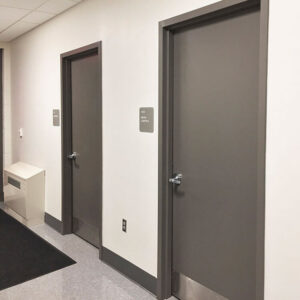

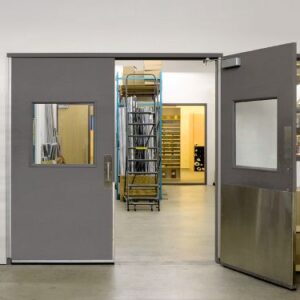
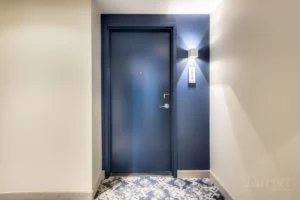
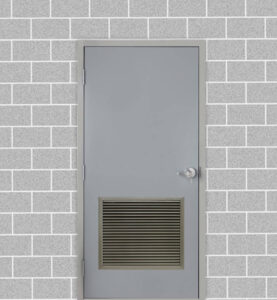
In summary, commercial doors play a crucial role in these locations by providing security, accessibility, privacy, and safety. They contribute to the overall functionality and efficiency of these buildings while creating a positive and welcoming environment.
What are the main benefits of having commercial metal doors in these locations?
- Strength and durability: They are resistant to forced entry and vandalism.
- Efficiency: They are designed for frequent use and must operate smoothly and efficiently. They often feature heavy-duty hardware and durable materials, such as steel.
- Fire resistance: Many are fire-rated to withstand fire for a specific period, helping to contain fires and protect property.
- Security: They can be equipped with additional security features such as locks, hinges, and panic bars to enhance protection.
- Insulation: Insulated commercial metal doors can help improve energy efficiency by reducing heat transfer, saving on heating and cooling costs.
- Air sealing: They can be designed to create a tight seal, preventing air infiltration and reducing energy loss.
- Aesthetic Appeal: They can significantly impact the aesthetic appeal and overall feel of a building. They can be designed to complement the architectural style and enhance the building’s curb appeal.
- Weather-Resistant: If they are in outdoor locations, commercial metal doors are able to withstand harsh weather conditions, including wind, rain, and temperature extremes.
In summary, commercial doors provide essential functions that contribute to the safety, security, functionality, and aesthetics of various commercial locations. They are an integral part of building design and operation.
Are there any special considerations for commercial metal doors in certain locations?
Yes, there are several special considerations for commercial metal doors, depending on factors like climate, local building codes, and specific industry requirements. Here are some examples:
Climate:
In areas with extreme temperatures, metal doors may require additional insulation or thermal breaks to maintain energy efficiency and prevent heat transfer. In regions with high humidity, metal doors may need to be treated with corrosion-resistant coatings or finishes to prevent rust and deterioration. For coastal areas where exposure to saltwater is common, it’s essential to choose marine-grade materials and coatings, as saltwater can accelerate corrosion.
Local Building Codes:
Many jurisdictions have specific fire ratings for commercial doors, especially in high-rise buildings or hazardous areas. It’s important to ensure that the chosen metal doors meet or exceed local fire safety requirements. Additionally, some regions have energy efficiency codes for commercial buildings that may influence the type of metal door and insulation required.
Industry Requirements:
Certain industries, such as banking, retail, and healthcare, may have specific security requirements for doors. These could include bullet-resistant or panic-proof features to enhance safety. In manufacturing or entertainment industries, noise reduction may be a priority, so metal doors with soundproofing materials can help reduce noise transmission. For industries like food processing or healthcare, where cleanliness is crucial, doors must be easy to clean and sanitize. In these cases, it’s essential to select materials and finishes that are resistant to bacteria and other contaminants. Lastly, in high-visibility locations, such as storefronts or historic buildings, the doors may need to be designed to complement the architectural style and surrounding environment.
By considering these factors and selecting the appropriate type of commercial metal door for each location, businesses can ensure their doors are both functional and well-suited to their specific needs.
Take a look at the wide variety of commercial metal doors & get a quote here: Commercial Metal Doors
If you have any additional questions about commercial metal doors, email us at [email protected] or give us a call at 800-685-7541 and we’ll be happy to help you out!


