


What All Is Included in a Commercial Door Frame?
A commercial door frame typically includes several key components that work together to provide structure, security, and support for the door. These components are designed for durability and functionality in high-traffic, professional environments. Here’s what is generally included in a commercial door frame:
- Jambs: The vertical sides of the frame that hold the door in place. They are typically made from metal, wood, or composite materials, and are often reinforced for durability and stability.
- Head (Top Frame): The horizontal top portion of the frame that spans across the opening, providing structural support for the door.
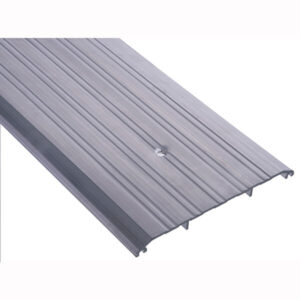
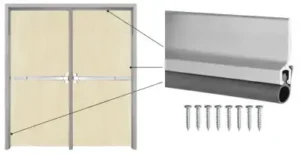
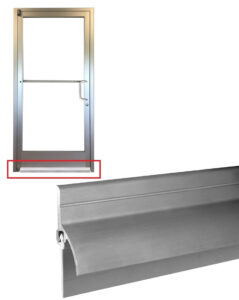
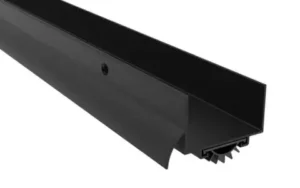
- Sill or Threshold: The bottom part of the frame that sits at the base of the door opening. It provides a seal between the door and the floor, helping to prevent drafts, water, and dirt from entering. It’s typically made from metal, aluminum, or wood, depending on the design.
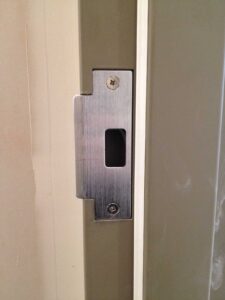
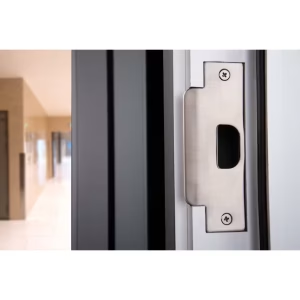
- Strike Plate: A metal plate installed into the jamb where the latch of the door locks into place. It helps to secure the door and ensures the latch aligns properly when the door is closed.
- Hinge Side: The part of the frame where the door hinges are mounted, allowing the door to swing open and closed. This side is often reinforced to support the weight of the door.
- Glass Inserts (Optional): In some commercial door frames, particularly those in modern or office settings, glass inserts are added to enhance light flow, visibility, and openness. These inserts can be clear, frosted, or decorative, depending on the design and desired level of privacy.
- Weatherstripping (Optional): Rubber or foam seals placed around the frame to improve insulation, prevent air leaks, and reduce noise. This is especially common in exterior doors.
- Trim or Molding (Optional): Decorative elements that can be added to the edges of the frame for a more polished look. These may vary based on design style, such as sleek, minimalist moldings or more ornate styles.
- Hardware: Includes locks, handles, panic bars, closers, and other hardware components that are integrated into the frame to ensure the door functions smoothly and securely.
These components together create a functional and aesthetically pleasing door frame, designed to support the door while enhancing the overall look and functionality of the space.
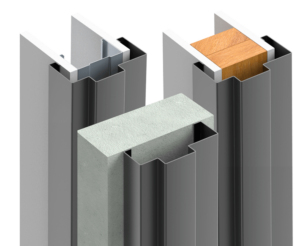
What are the essential components of a commercial door frame?
The main components of a commercial door frame include the jambs (vertical sides), head (top frame), sill or threshold (bottom frame), strike plate and hinge side. These parts work together to provide structure, security, and support for the door. Each of these components is critical for the functionality and security of the door while also contributing to the door’s aesthetic appeal.

What is the purpose of the strike plate?
The strike plate is a metal plate installed into the door frame where the door latch or bolt engages when the door is closed. Its primary purpose is to secure the door by ensuring that the latch or bolt locks into place properly, keeping the door closed and secure. This is crucial for maintaining the overall safety and security of the space.
In addition to securing the door, the strike plate helps protect the door frame from damage caused by the repeated locking and unlocking of the door. It distributes the force more evenly across the frame, preventing wear and tear on the frame itself.
Ultimately, the strike plate plays a critical role in enhancing the safety of the door. By ensuring that the latch mechanism engages correctly, it helps prevent unauthorized entry and contributes to the door’s overall function and longevity.
Are glass inserts included in all door frames?
No, glass inserts are not included in all door frames. They are typically optional and are often chosen for specific aesthetic or functional reasons. Glass inserts are commonly used in commercial door frames where visibility, natural light, and an open, airy atmosphere are desired, such as in office spaces, retail stores, or modern commercial buildings. These inserts can be clear, frosted, tinted, or decorative, depending on the level of privacy and style needed.
However, in more traditional or private settings, such as conference rooms or secure areas, solid door frames without glass inserts are often preferred to ensure privacy and security. The inclusion of glass inserts is a customizable option, allowing businesses to choose based on their needs and design preferences.
What is the function of the sill or threshold?
The sill or threshold is the bottom part of a door frame that serves several important functions. First, it helps with sealing by creating a barrier between the door and the floor. This prevents drafts, water, dirt, and debris from entering the space, which is particularly important for exterior doors or those in areas exposed to moisture or weather conditions.
Additionally, the sill provides structural support for the door frame, reinforcing the bottom of the door and helping to maintain its alignment and stability over time. This contributes to the door’s overall durability and functionality.
The threshold can also play a role in safety and accessibility, ensuring a smooth transition between different floor levels. It can be designed with a low profile to accommodate people using wheelchairs or walkers, improving accessibility for all users.
Overall, the sill or threshold is crucial for the door’s performance, energy efficiency, and safety, while also enhancing the door frame’s long-term durability.

Does a commercial door frame come with weatherstripping?
Weatherstripping is not always included in every commercial door frame, but it is a common feature, especially for exterior doors or doors in areas where insulation and energy efficiency are important. When included, weatherstripping is typically made from materials like rubber, foam, or silicone and is installed around the edges of the frame to create a seal between the door and the frame.
The primary function of weatherstripping is to prevent drafts, block moisture, and reduce noise, which helps to maintain a comfortable indoor environment. It also improves the energy efficiency of a building by minimizing heat loss or gain through gaps around the door.
While weatherstripping is most often used in outdoor or high-traffic doors, it can be added to interior door frames as well if there are specific needs for soundproofing or privacy. It is generally an optional addition depending on the requirements of the space.
What hardware is typically included with a commercial door frame?
Commercial door frames typically include a variety of hardware components designed to ensure the door functions properly and securely. The types of hardware commonly included are:
- Hinges: These allow the door to pivot open and closed. The number and type of hinges depend on the door’s size and weight.
- Locks: A key element for security, locks can be simple key locks or more advanced systems like electronic keypads or access control systems.
- Strike Plates: These are metal plates installed in the door frame where the door latch or bolt engages when the door is closed, ensuring the door stays securely locked.
- Door Closers: These devices ensure the door closes automatically after being opened. They can be hydraulic, pneumatic, or spring-loaded, helping to improve security, prevent slamming, and maintain energy efficiency.
- Handles or Levers: Used for opening and closing the door, handles or levers come in various designs, materials, and finishes to match the aesthetic and function of the door.
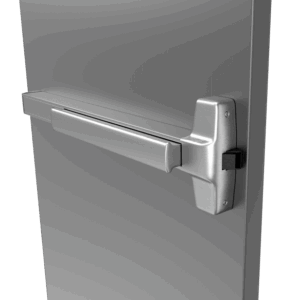
- Panic Bars (or Exit Devices): Often required in commercial buildings, panic bars allow a door to be quickly opened from the inside in case of an emergency, facilitating fast exit.
- Thresholds: As part of the door frame, thresholds are often included as hardware, ensuring a proper seal between the door and floor.
- Weatherstripping (Optional): While not strictly hardware, weatherstripping is often added to seal gaps around the door, preventing drafts and moisture from entering.
- Glazing or Glass Inserts: If the door frame includes glass inserts, the necessary glazing hardware or framing may be included to secure the glass in place.
These hardware components work together to provide functionality, security, accessibility, and durability in commercial spaces. The specific hardware included may vary based on the type of door and the requirements of the building.

Are commercial door frames customizable?
Yes, commercial door frames are highly customizable to suit the specific needs of a business or space. The material can be selected from options like steel, aluminum, wood, fiberglass, or composite materials based on the desired aesthetic and durability.
The size and shape of the frame can be tailored to fit non-standard openings, ensuring a perfect fit for any architectural design. Additionally, the finish and color of the frame can be customized with powder coating, anodizing, or painting to match branding or design preferences.
Glass inserts can also be added, with options like clear, frosted, tinted, or decorative glass to balance privacy and style. Custom hardware can be incorporated, including locks, handles, panic bars, and closers, to meet specific security and accessibility needs.
Finally, the frame can feature custom trim or molding for enhanced appearance and may include energy-efficient features like thermal breaks or insulated glass for improved performance and cost savings. These options allow businesses to create door frames that meet both functional and aesthetic requirements.
If you are in need of commercial door frames, take a look here: Commercial Door Frames
You can also take a look at our many commercial door options here: Commercial Doors