


You can install a commercial metal door frame yourself, but it’s generally recommended only if you have construction experience or solid DIY skills. Proper installation requires careful measuring, leveling, and anchoring to ensure the frame is plumb, level, and square, which is critical for the door to function properly. Mistakes can lead to problems like poor alignment, difficulty closing the door, or code violations if it’s a fire-rated frame. If you’re working with knock-down frames for drywall, it’s more manageable than welded frames in masonry, but precision is still key.
Is It Easy To Install a Commercial Metal Door Frame?
Installing a commercial metal door frame can be relatively straightforward for experienced professionals but may pose challenges for those unfamiliar with the process. Proper installation requires precise measurements, alignment, and anchoring to ensure the frame is plumb, level, and square. Factors like wall type (drywall, block, or concrete), frame style (knock-down or welded), and fire-rating requirements can add complexity. While it’s not typically a DIY task, with the right tools, instructions, and preparation, a skilled contractor can complete the job efficiently and securely.
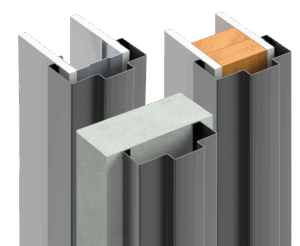


Can I install a commercial metal door frame myself?
To install a commercial metal door frame, you’ll typically need the following tools:
- Tape Measure – for accurate measurements
- Level – to ensure the frame is plumb and square
- Hammer or Rubber Mallet – for adjusting frame alignment
- Drill/Driver – for anchoring the frame to the wall
- Screws or Anchors – appropriate for the wall type (wood, drywall, block, etc.)
- Shims – to help level and stabilize the frame during installation
- Framing Square – to check corners for squareness
- Pry Bar or Flat Bar – for adjustments or removing obstructions
- Wrench or Socket Set – if bolts are involved
- Caulk or Sealant (optional) – for fire-rated or soundproof installations
Additional tools like a welder or grinder might be needed for welded frames or specialty installations.
How long does door frame installation take?
Door frame installation typically takes 1 to 2 hours for a professional, depending on the wall type, frame style (knock-down or welded), and job site conditions. For DIYers or less experienced installers, it could take 2 to 4 hours or more, especially if adjustments are needed or tools/materials are unfamiliar. Complex factors like uneven walls, fire-rated frames, or heavy doors can also extend the time.
What are the general installation steps for commercial metal door frames?
- Prepare the Opening: Ensure the rough opening is properly sized, plumb, level, and square. Clear any debris or obstructions.
- Assemble the Frame (if knockdown type): For knockdown (KD) frames, connect the jambs and head according to the manufacturer’s instructions before placing them in the opening.
- Position the Frame: Set the frame in the opening, making sure it is correctly aligned. If installing a welded frame, ensure it is placed before the wall is finished.
- Shim & Square the Frame: Use shims at anchor points to adjust for level, plumb, and square. Check all sides with a level to ensure proper alignment.
- Secure the Frame: For drywall applications, fasten the frame using compression anchors or screws. For masonry applications, use steel anchors, expansion bolts, or concrete screws for stability.
- Check the Alignment: Recheck the level and squareness of the frame to ensure proper door function. Adjust shims if necessary before fully tightening the anchors.
- Grout the Frame (if required): For fire-rated or high-security applications, grout may be needed inside the frame to enhance durability and prevent movement.
- Install the Door & Hardware: Once the frame is secure, hang the door by attaching hinges, then install additional hardware such as the lockset, closer, and strike plate.
- Final Adjustments & Testing: Open and close the door multiple times to ensure smooth operation. Adjust hinges or hardware if necessary.
What’s the difference between knock-down and welded door frames?
The main difference between knock-down and welded door frames lies in how they’re assembled and installed:
Knock-Down (KD) Frames: These come in three separate pieces (two jambs and a head) and are assembled on-site. They’re most commonly used in drywall or light construction and are easier to transport and store. Knock-down frames are ideal for retrofit or post-construction installation.
Welded Frames: These come pre-assembled with the corners welded together, forming a solid, square unit. They’re typically used in new construction, especially with masonry or concrete walls. Welded frames are stronger, more rigid, and better for fire-rated applications, but they’re heavier and more challenging to handle.
Choosing the right type of frame depends on the wall construction, durability requirements, and installation timing.
Do I need to install a door frame before or after the wall is finished?
Whether you install a commercial metal door frame before or after the wall is finished depends on the frame type and wall construction.
Knock-down frames are typically installed after the wall is finished, especially in drywall construction. These frames are designed to slip into pre-cut wall openings, making them ideal for renovations or interior wall installations where the structure is already in place.
Welded frames, on the other hand, are usually installed before the wall is finished—during the wall framing or masonry work. They are anchored directly into the structural wall and require careful coordination during the early stages of construction.
Installing the frame at the correct stage ensures it is securely anchored, properly aligned, and functions as intended.
Can a metal door frame be installed in any wall type?
Yes, a metal door frame can be installed in almost any wall type (including drywall, wood stud, concrete, masonry, and metal stud walls) but the installation method and anchoring system will vary based on the wall material.
In drywall/wood stud walls, knock-down frames are commonly used, and they are anchored with compression or drywall anchors. This type of installation is ideal for retrofit or interior walls.
In masonry or concrete walls, welded frames are typically used and anchored with masonry anchors or embedded anchors. These frames need to be set during the construction of the wall for proper alignment.
For metal stud walls, special brackets or fasteners are used to secure the frame. Regardless of the wall type, proper anchoring is essential to ensure the frame is plumb, square, and secure.
What are common mistakes when installing a metal door frame?
- Not Checking for Level, Plumb, and Square: If the frame isn’t properly aligned, the door may not close correctly or could swing open or shut on its own. Always use a level and shims to ensure proper alignment.
- Using the Wrong Anchors: Different wall types require different fasteners. Using drywall anchors in masonry walls or vice versa can lead to instability. Make sure to use compression anchors for drywall and expansion bolts or masonry anchors for concrete or brick walls.
- Skipping Shims: Shims help adjust and stabilize the frame. Without them, the frame may shift over time, causing door misalignment or difficulty in operation.
- Over-Tightening Screws or Bolts: Applying too much pressure can warp the frame, leading to gaps or improper door function. Tighten screws gradually while checking alignment.
- Ignoring Floor & Ceiling Clearance: Not accounting for flooring thickness (for example, tile, carpet, or concrete) can result in doors that scrape the floor or have an excessive gap underneath.
- Improperly Installing Welded Frames: Welded frames must be installed before wall construction. Attempting to install one afterward may require cutting into finished walls, which can be costly and labor-intensive.
- Forgetting to Secure the Head Properly: The top of the frame must be secured just as firmly as the jambs. A loose head can cause the frame to shift over time.
- Not Using Grout When Required: Some metal frames, particularly fire-rated or high-security frames, require grouting for extra durability. Skipping this step can weaken the installation.
- Failing to Test the Door Before Finishing: Before finalizing the installation, test the door to ensure it opens and closes smoothly. Adjust as needed before sealing or painting the frame.
What should I do if my frame isn’t fitting properly?
If your metal door frame isn’t fitting properly, start by checking the rough opening. Measure the opening to ensure it’s the correct size for the frame. It should be about 1/2″ larger than the frame on all sides to allow for proper adjustments. Additionally, check that the opening is square, plumb, and level. Use a level to confirm the alignment, as an uneven or crooked opening could cause the frame to fit poorly.
Next, if the frame is out of square, use shims to adjust it. Check the diagonal corners of the frame; the measurements should be equal for a square fit. Shimming the frame at the top and sides will help correct any gaps or misalignment. You may also need to inspect the floor and ceiling to ensure they aren’t causing the misfit. If the floor is uneven, adjust the frame or use additional shims to level it properly.
Make sure the anchors or fasteners are correctly placed. Tighten the screws gradually to avoid warping the frame. If needed, reposition the anchors to hold the frame more securely. If the frame seems to be bent or damaged, gently use a rubber mallet to tap it into position or consider replacing it if the damage is significant.
After making these adjustments, recheck all measurements and alignment to ensure everything is level and square before fully securing the frame. Once it’s in place, test the door fit by opening and closing it several times to check for any binding or misalignment. If the issue persists or seems complex, consulting a professional installer may be necessary.
Should I hire a professional for installation?
Whether or not you should hire a professional to install your metal door frame depends on several factors, including your skill level, the complexity of the installation, and the type of frame.
When to Hire a Professional:
If you lack experience or are unsure about your ability to properly measure, align, and secure the frame, a professional installer can ensure everything is done correctly. Welded frames, for example, require precise installation, particularly when installing in masonry walls, which may require advanced tools and techniques. A professional installer will have the expertise to manage this. Additionally, if the frame needs to meet fire-safety standards, a professional can ensure compliance with local building codes, especially if grouting or special materials are required. For complicated walls with uneven surfaces or structural challenges, a professional can handle the necessary adjustments more efficiently. Lastly, if you’re on a tight schedule and want the installation completed quickly and correctly, hiring a professional will save you time and effort.
When You Might DIY:
If you’re installing a knockdown frame, it might be a good DIY project. These frames are easier to install and are typically used for drywall applications. If the rough opening is already level and plumb, and you feel comfortable using basic tools like a drill, level, and measuring tape, you may be able to handle the job yourself.
If you are in need of commercial metal door frames, take a look here: Metal Door Frames
You can also take a look at our many commercial metal door options here: