


Are There Special Security Features Available for Commercial Metal Doors?
Yes, there are several specialized security features available for commercial metal doors to enhance their strength and resistance to break-ins, vandalism, and other threats.
What are the key security features for commercial metal doors?
Here are the most important security features:
- Reinforced Door Frames: Heavy-duty frames that are reinforced with extra strength to prevent bending or tampering, making it much harder for intruders to force the door open.
- High-Security Locks: Deadbolts offer a robust locking mechanism that provides extra resistance to forced entry. Electronic Locks (keypads, biometric readers, keycard access, or mobile-based systems) provide more secure and convenient access control. Keyless Entry eliminates the risk of lost or stolen keys, making it harder for unauthorized individuals to gain access.
- Non-Removable Hinges: These prevent intruders from removing the door from its frame by tampering with the hinges, ensuring the door remains securely in place.
- Impact-Resistant and Reinforced Construction: Impact-resistant cores and reinforced panels strengthen the door, making it more resistant to physical damage or forceful entry. For critical infrastructure or high-risk areas, commercial metal doors can be constructed to withstand bullets or other ballistic threats.
- Magnetic Locks (Maglocks): These use electromagnets to secure the door, offering high holding power and resistance to tampering or forced entry.
- Fire-Rated Doors: Fire-resistant construction that provides a fire-rating, typically from 20 minutes to several hours, allowing for fire containment and added protection during emergencies.
- Security Grilles and Bars: Security grilles (metal mesh or roll-up grilles) offer visibility while preventing unauthorized access. They’re often used in retail or storefront applications. Security bars can be installed on the interior of the door for added protection against unauthorized entry.
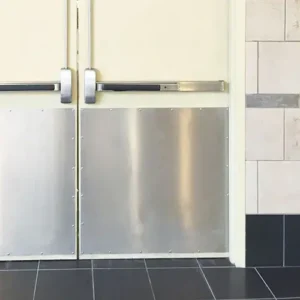
- Anti-Kick Devices: Anti-kick plates or reinforced thresholds are designed to prevent the door from being kicked in or forced open from the bottom, improving the door’s overall resistance to physical attacks.
- Surveillance and Monitoring Systems: Cameras and access control systems can be integrated with the door to provide monitoring and real-time alerts about any unauthorized access attempts.
- Tamper-Resistant Fasteners: Tamper-resistant screws and bolts prevent intruders from disassembling or removing the door. These specialized fasteners make it difficult to manipulate or tamper with the door assembly.
- Time Delay Locks: These introduce a delay between when access is requested and when the door actually unlocks, giving extra time to identify and prevent unauthorized entry in high-security environments.
- Barbed or Razor Wire: Barbed wire or razor wire can be installed on the top of the door frame or around the perimeter of the door, acting as a physical deterrent against entry or climbing.
- Double or Reinforced Doors: These offer additional protection against forced entry, often used in high-security areas to provide an extra barrier to penetration.
These security features work together to ensure that commercial metal doors provide maximum protection against a wide range of threats, from physical break-ins to fire and ballistic risks. Depending on the type of facility, its location, and specific security requirements, doors can be customized with one or more of these features for optimal protection.
How do reinforced door frames enhance security?
Reinforced door frames play a crucial role in enhancing home security by making it significantly more difficult for intruders to force entry. Unlike standard wooden frames that can splinter under pressure, reinforced frames are made from heavy-duty materials like steel or solid wood. This added strength ensures that the door remains intact even under forceful impacts, such as kicking or ramming. By reinforcing the frame, owners can protect one of the most vulnerable entry points in their buildings.

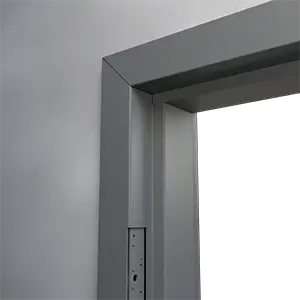
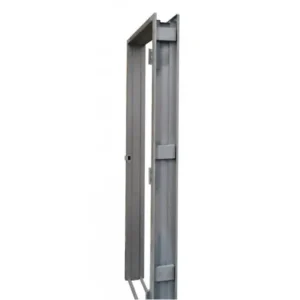
One of the key benefits of reinforced door frames is their ability to support high-security locks. Even the strongest deadbolts can be rendered useless if installed on a weak frame, as intruders can easily pry or break the surrounding wood. Reinforced frames distribute force evenly, making it much harder for burglars to gain access through brute force or tool-based attacks like crowbars or drills. Additionally, many reinforced frames come with enhanced strike plates and hinge reinforcements, which further improve their resistance to tampering.
Beyond security, reinforced door frames also offer durability and long-term protection. High-quality materials prevent warping, cracking, and weather-related deterioration, ensuring that the frame remains strong over time. When combined with other security measures—such as solid-core doors, heavy-duty locks, and strike plate reinforcements—reinforced frames provide an excellent defense against unauthorized entry, giving homeowners peace of mind.
What type of locks are best for commercial metal doors?
For commercial metal doors, the best locks offer a combination of durability, security, and functionality. Here are the top options:
- Mortise Locks: These heavy-duty locks are embedded within the door, making them more resistant to tampering and forced entry. They feature strong latch bolts and deadbolts, providing superior security.
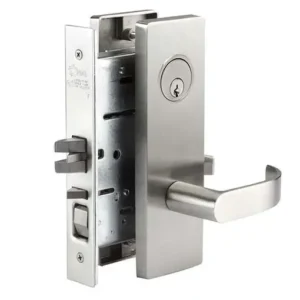
- Cylindrical Lever Locks: Common in commercial settings, these locks are easy to operate and durable. They are suitable for high-traffic areas and comply with ADA (Americans with Disabilities Act) requirements.

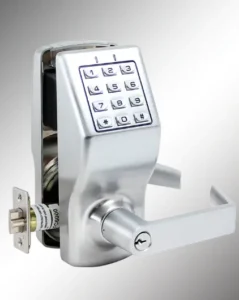
- Electronic Keypad or Smart Locks: Ideal for businesses that require keyless entry, these locks use PIN codes, RFID cards, or mobile apps to control access. They allow for remote access management and easy code changes.
- Panic Bar with Electric Strike: Essential for emergency exits, panic bars allow for quick egress while maintaining security. When combined with an electric strike, they can be controlled remotely for added convenience.
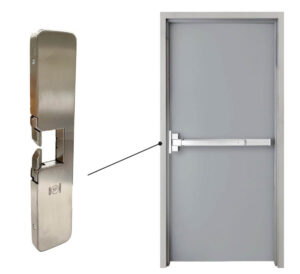
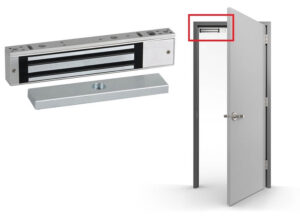
- Magnetic Locks (Maglocks): These locks use strong electromagnets to secure doors and are commonly used in access control systems. They work well for high-security areas but require a power source to function.
- High-Security Deadbolts: Often used as an additional layer of protection, commercial-grade deadbolts provide extra reinforcement against forced entry attempts.

The best choice depends on the level of security needed, traffic volume, and whether keyless access is required.
Can commercial metal doors be bullet-resistant?
Yes, commercial metal doors can be bullet-resistant when designed with reinforced materials and certified to meet ballistic protection standards. These doors are commonly used in banks, government buildings, police stations, and other high-security facilities where firearm threats are a concern. They provide an extra layer of defense by preventing bullets from penetrating through entry points.
Bullet-resistant doors are constructed using hardened steel, stainless steel, or composite materials such as Kevlar or ballistic fiberglass. These materials absorb and disperse the energy of bullets, preventing them from passing through. Many of these doors feature multiple layers within the core to enhance their ballistic resistance. The level of protection is classified under UL 752 or NIJ (National Institute of Justice) standards, which rate doors based on the caliber and velocity of bullets they can withstand. For example, Level 1 doors can stop small handgun rounds like 9mm, while Level 8 doors can resist high-powered rifle rounds such as 7.62mm.
To ensure full protection, bullet-resistant doors are typically installed with reinforced door frames and ballistic-rated glass for any windows. High-security locks, such as mortise locks or electromagnetic locks, are often added to prevent forced entry. These features make bullet-resistant doors an essential security investment for businesses and facilities that require enhanced protection.
Are there features that prevent the door from being removed from its hinges?
Yes, several security features can prevent a door from being removed from its hinges, especially for commercial metal doors. These features help protect against forced entry attempts, tampering, and unauthorized removal.
1. Security Hinges with Non-Removable Pins (NRP): For outward-swinging doors, which expose the hinge pins, using non-removable pin (NRP) hinges is essential. These hinges have a set screw or locking mechanism that prevents the pins from being removed, even if an intruder tries to pry them out.
2. Continuous Hinges (Piano Hinges): Continuous hinges run the full length of the door, distributing weight evenly and eliminating the gap between hinges where prying tools could be used. These hinges are often made of heavy-duty steel or aluminum and offer superior durability and security.
3. Hinge Security Studs (Dog Bolts): Security studs, also called dog bolts, are small metal pins installed between the door and frame near the hinges. When the door is closed, these studs engage with the frame, preventing the door from being lifted off its hinges, even if the hinge pins are removed.
4. Welded or Riveted Hinges: For maximum security, some commercial doors use welded or riveted hinges, making it impossible to remove them without specialized tools. This is commonly found in high-security environments.
5. Concealed Hinges: Instead of being mounted on the surface, concealed hinges are installed within the door and frame, making them inaccessible from the outside. These are commonly used in fire-rated and high-security doors to prevent tampering.
For maximum security, combining NRP hinges, security studs, and continuous hinges is the best approach.
What is a maglock, and how does it improve security?
A maglock, or magnetic lock, is an access control device that secures a door using a strong electromagnet. It consists of two main components: an electromagnet mounted on the door frame and a metal plate (armature) attached to the door. When power is supplied, the magnet creates a strong magnetic field that holds the door firmly shut, preventing unauthorized access.
One of the key security advantages of maglocks is their high holding force, which can withstand hundreds to thousands of pounds of pressure. This makes them highly resistant to forced entry attempts, such as prying or kicking. Additionally, maglocks are fail-safe by design, meaning they unlock when power is lost. This feature ensures safe egress during emergencies, such as fires or power failures, when paired with a backup power source like a battery pack or generator.
Maglocks integrate seamlessly with access control systems, including keypads, card readers, biometric scanners, and remote entry systems. This allows businesses to regulate access and monitor who enters and exits the building. Unlike traditional mechanical locks, maglocks have no keyholes, latches, or moving parts, which reduces wear and tear over time and minimizes maintenance.
Another advantage of maglocks is their quick locking and unlocking capability, providing instant security while allowing for remote operation when needed. For maximum security, they are often combined with motion sensors, exit buttons, and backup power systems to ensure both security and safety.
What is a security grille, and why would I need one?
A security grille is a protective barrier made of metal bars, mesh, or interlocking panels that are designed to secure doors, windows, storefronts, or other entry points. These grilles provide security while still allowing visibility and airflow, making them a popular choice in commercial, retail, and industrial settings. They help prevent unauthorized access, deter theft, and provide an additional layer of protection without completely sealing off the space.
Security grilles serve as an effective visible deterrent against theft, smash-and-grab crimes, and vandalism. By making it more difficult for intruders to access the premises, they can help reduce the risk of break-ins. At the same time, they allow passersby and security personnel to see inside, which can further discourage criminal activity. Grilles come in various designs, including rolling grilles, folding scissor gates, and fixed barriers, allowing for customization depending on the application, whether it’s for storefronts, mall entrances, warehouses, or office buildings.
Another key advantage of security grilles is their ability to allow air circulation and natural light. The open design of the bars or mesh enables ventilation, making them ideal for areas that need protection without sacrificing airflow. Security grilles are especially useful for after-hours protection, as businesses can use them to safeguard storefronts while keeping interiors visible for security monitoring or window shopping.
Overall, security grilles are a smart investment for businesses looking to improve security while maintaining visibility and ventilation.
How do anti-kick devices work?
Anti-kick devices are security features designed to prevent intruders from kicking in a door, which is a common method of forced entry. These devices work by reinforcing the door frame, lock mechanism, or both, making it much harder for a person to break through by kicking. Here’s how they work:
1. Reinforced Strike Plates and Deadbolts: Anti-kick devices often include reinforced strike plates, which are metal plates mounted on the door frame around the lock area. These plates distribute the force of a kick more evenly, reducing the likelihood of the door frame splintering or the lock being forced open. Some anti-kick devices also include reinforced deadbolts, which are designed to extend further into the strike plate, making them more resistant to being dislodged by a kick.
2. Kick-Stop Barriers or Guards: Some anti-kick devices are specifically designed to create a barrier between the door and the intruder. These might include heavy-duty kick-stop bars or guards that attach to the bottom or side of the door. When pressure is applied by a kick, the bar or guard absorbs the force, preventing the door from being pushed in. These devices often use materials like steel or reinforced plastic for maximum strength.
3. Door Jammers or Reinforcers: Door jammers or reinforcers are devices that can be installed at the base of the door, or along the door’s frame. When engaged, they create an additional level of resistance by either increasing the door’s stability or directly blocking the door from moving inwards. These devices can often be adjusted to fit different door sizes and types.
4. Security Bars or Grilles: For added security, some anti-kick devices include security bars or grilles that can be mounted across the door. These bars create an extra layer of protection by preventing the door from being fully kicked open. The bars can be manually or automatically deployed and are often made of heavy-duty materials such as steel.
5. Door Reinforcement Kits: Some comprehensive door reinforcement kits combine several anti-kick features into one package. These kits usually include reinforced strike plates, additional deadbolt reinforcement, door jamb reinforcements, and sometimes, kick-proof plates to protect against violent force. These systems are easy to install and can significantly strengthen a door’s resistance to kicking.
By reinforcing the door and the frame, anti-kick devices increase security and prevent easy forced entry. They’re especially useful for commercial properties looking to bolster door security without replacing the entire door.

Can I integrate surveillance systems with my commercial metal door?
Yes, you can integrate surveillance systems with your commercial metal doors to enhance security. Integrating surveillance systems, such as cameras, access control systems, and motion sensors, provides real-time monitoring and increased protection for your business. Here’s how you can do it:
- Surveillance Cameras: You can mount surveillance cameras near or on your commercial metal door to monitor activity around the entrance. Many modern IP cameras allow you to monitor the door remotely, providing real-time video feeds to your mobile device or computer. These cameras can also be equipped with motion detection, which triggers recording or alerts when movement is detected, helping you keep an eye on entry points at all times.
- Access Control Integration: By combining access control systems (such as keypads, card readers, or biometric systems) with surveillance cameras, you can monitor who is entering your building and when. For example, you can set up a system where access to the door is logged and the surveillance camera captures video footage of those entering. This provides both security verification and audit trails, which can be useful for post-incident investigations.
- Intercom Systems: Integrating an intercom system with your commercial metal door allows you to see and communicate with visitors before granting access. This is often used in combination with video door stations that can be connected to the building’s surveillance system. This integration adds an extra layer of verification for anyone attempting to enter the premises.
- Remote Monitoring and Alerts: With modern surveillance systems, you can have remote access to camera feeds, which can be integrated with the door’s locking system. This allows you to monitor and control access even when you’re not physically present at the location. Some systems can also send alerts or notifications if unauthorized access is attempted or if suspicious activity is detected near the door.
- Motion Sensors and Security Alarms: You can also integrate motion sensors with your commercial metal door. These sensors can detect any movement near the door or in the surrounding area, triggering the security alarm system if necessary. Motion sensors can be used to complement surveillance cameras and can even be configured to turn on the cameras when movement is detected, ensuring you capture any important footage.
Integrating these security features with your commercial metal door creates a robust security system that not only deters unauthorized access but also provides actionable insights through surveillance data.
Are there options for high-security, time-delay locks?
Yes, high-security, time-delay locks are available and commonly used in settings that require enhanced protection against unauthorized access, such as banks, government facilities, high-security offices, and vaults. These locks are designed to delay access to certain areas, providing additional time to prevent intruders from gaining entry immediately. Here’s how they work and the options available:
Time-delay locks are electronic or mechanical systems that impose a delay between the moment the lock is activated (typically through a keycard, PIN, or biometric scan) and the point when the door can be opened. This delay can range from a few seconds to several minutes, depending on the security requirements. The delay prevents immediate access, making it more difficult for intruders to gain access quickly, even if they have the correct credentials. During this delay, intruder attempts to bypass the lock are typically thwarted, as the system is designed to lock the door once again after each failed attempt.
The different types of time-delay locks include electronic time-delay locks, time-delay safe locks, vault locks with time-delay and mechanical time-delay locks.
Each of these time-delay locks offers several key benefits for enhanced security. They provide increased protection against forced entry, allowing security personnel extra time to respond to unauthorized access attempts and preventing quick break-ins. These locks also help prevent “smash-and-grab” thefts, as they make it difficult for intruders to open doors or vaults quickly, giving law enforcement more time to intervene. Additionally, time-delay locks feature customizable delay settings, which can be tailored to specific security needs and adjusted based on the level of risk. Many systems also offer remote access and monitoring, providing greater flexibility and oversight for managing and controlling locks from a distance.
How do tamper-resistant fasteners enhance security?
Tamper-resistant fasteners are specialized screws, bolts, or other fastening devices designed to prevent unauthorized removal or tampering. These fasteners are commonly used in high-security environments to secure doors, windows, equipment, and other vulnerable areas. They enhance security by making it difficult or impossible to remove or disassemble components without the proper tools or knowledge. Many tamper-resistant screws feature unique heads (such as pentalobe, tri-wing, or pin-in-hex designs) that require a specific tool to unscrew, making it harder for an intruder to gain access.
These fasteners also serve as a deterrent for vandalism and theft. By using tamper-resistant fasteners, you make it significantly more difficult for vandals or thieves to tamper with your property. They are commonly used on outdoor equipment, signage, electrical panels, and other valuable items to prevent theft or damage. In areas with critical infrastructure or sensitive equipment, tamper-resistant fasteners help maintain system integrity, reducing the risk of sabotage or theft of valuable components. They’re also used to secure electrical systems, control panels, and data equipment, ensuring these assets remain intact.
In addition to enhancing security, tamper-resistant fasteners increase the durability of fastened items. Made from high-strength materials such as hardened steel or stainless steel, they resist tampering while withstanding environmental wear and tear. This durability makes them particularly important for securing metal doors, gates, and other exterior entry points exposed to the elements. Furthermore, tamper-resistant fasteners can enhance safety by ensuring that critical components of security systems, such as locks, hinges, or surveillance equipment, remain securely in place, reducing the risk of accidental malfunctions or failures.
Overall, tamper-resistant fasteners provide a simple yet effective way to bolster security by making it more difficult for unauthorized individuals to manipulate or remove fastened objects. They are an excellent choice for businesses or individuals seeking to protect valuable property or secure sensitive areas.
Can commercial metal doors be customized for specific security needs?
Yes, commercial metal doors can be customized to meet specific security needs. Manufacturers offer a variety of customization options, allowing businesses and property owners to tailor their doors to the level of security required for their space. Here’s how commercial metal doors can be customized:
1. Material and Construction: Commercial metal doors can be constructed from different materials, such as steel, aluminum, or hardened alloys, depending on the security requirements. For higher security, doors can be made from thicker steel or have reinforced cores made of materials like polystyrene, polyurethane, or rock wool, which enhance both strength and insulation. Customizations might include adding extra layers of fire-resistant material for fire-rated doors or using bullet-resistant materials for environments that require protection from gunfire.
2. Reinforced Frames and Hardware: Customizing the frame and hardware of the door can add another layer of security. Reinforced frames made from stronger metals can be added to increase the door’s resistance to impact or forced entry. Specialized hinges and tamper-resistant fasteners can also be installed to prevent unauthorized removal of the door. Security hinges, which are non-removable or concealed, are often used in high-security applications.
3. Locking Mechanisms: The locking system can be customized to include high-security locks, time-delay locks, biometric access control, or keypad entry systems. These locks can be integrated into the door for seamless operation and may include features like remote monitoring, time-delay access, and keyless entry for enhanced security. Commercial doors can also be customized to work with maglocks or electric strikes, which provide additional control over who enters and exits the building.
4. Additional Security Features: For added protection, commercial metal doors can include reinforced glass with bullet-resistant or blast-resistant properties, security grilles, or motion sensors that are integrated into the door or surrounding frame. Time-delay locks can also be added to make unauthorized access more difficult, giving security personnel more time to respond to potential intrusions.
5. Design and Aesthetic Customization: While security is the main focus, some commercial spaces also require specific design or aesthetic customizations. Metal doors can be finished with a range of coatings, paints, or textures that blend with the building’s exterior while maintaining their security features. This is especially important for retail stores or commercial offices where appearance matters but security cannot be compromised.
In short, commercial metal doors can be highly customized to fit any security requirement, whether it’s for added resistance to forced entry, fire safety, bullet resistance, or access control systems. Working with a manufacturer who specializes in high-security doors allows you to choose the exact features needed to protect your space effectively.
If you are in need of customized commercial metal doors, take a look here: Commercial Metal Doors