


Why Should I Choose a Hollow Metal Door Over Other Types of Commercial Doors?
Hollow metal doors are a popular choice for commercial and industrial settings where strength, security, and durability are essential. They offer a combination of durability, security, low maintenance, and versatility that can significantly benefit your business. These are some of the many compelling reasons to choose a hollow metal door over other types of commercial doors.

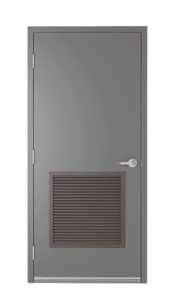
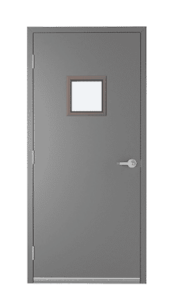


What are the key advantages of hollow metal doors?
- Durability and Longevity: Hollow metal doors are highly resistant to various weather conditions, including rain, snow, wind, and extreme temperatures. They are also impact-resistant and can withstand heavy impacts and physical abuse. With proper maintenance, they can last for decades.
- Security: The metal construction of this type of door provides exceptional strength and resistance to forced entry. They can be customized with high-security locks, reinforced hinges, and other security features. Many hollow metal doors are also fire-rated, providing crucial protection in case of fire
- Low Maintenance: Their smooth metal surface is easy to clean and maintain. This type of door requires minimal repairs and upkeep.
- Versatility and Customization: Hollow metal doors can be customized with different styles, finishes, and hardware. Their size can also be customized and tailored to fit specific openings and architectural requirements. With proper insulation, hollow metal doors can provide excellent soundproofing.
- Energy efficiency: The insulated core of hollow metal doors helps maintain indoor temperatures.
- Cost-Effective: While the initial cost may be higher, long-term savings in maintenance, repairs, and energy costs make them a cost-effective choice.
Why should I choose a hollow metal door over a wood door?
Hollow metal doors and commercial wood doors each offer unique advantages and disadvantages. Hollow metal doors are renowned for their durability and security. Constructed from steel, they are resistant to damage, warping, and rotting. They can also be fortified with high-security locks and hardware, making them ideal for commercial and high-traffic residential settings. Additionally, many hollow metal doors are fire-rated, providing essential protection in case of fire.
On the other hand, wood doors offer a more traditional and aesthetic appeal. They can be customized with various finishes and styles to complement different architectural designs. However, wood doors require more maintenance, as they are susceptible to warping, cracking, and insect damage. They may also be less durable than metal doors, especially in high-traffic areas.
Ultimately, the choice between a hollow metal door and a wood door depends on specific needs and priorities. If durability, security, and low maintenance are paramount, a hollow metal door may be the best choice. If aesthetic appeal and a more traditional look are desired, a wood door may be preferred.
Why should I choose a hollow metal door over a glass storefront door?
Compared to hollow metal doors, glass storefront doors prioritize aesthetics and openness. They offer a modern and inviting appearance, allowing natural light to flood into the space. Glass doors can also create a sense of spaciousness and transparency, making them popular for retail stores, restaurants, and other businesses that want to showcase their products or services. However, glass doors are less durable than metal doors and may be more susceptible to breakage or damage. Additionally, they may not offer the same level of security as metal doors, especially if they are not tempered or laminated.
Ultimately, the choice between a hollow metal door and a glass storefront door depends on the specific needs of the building. For high-security applications or areas requiring maximum durability, a hollow metal door may be the best choice. For businesses that prioritize aesthetics, openness, and customer appeal, a glass storefront door may be more suitable.
Why should I choose a hollow metal door over a solid steel door?
Hollow metal doors and commercial steel doors are often used interchangeably, but they are not exactly the same. While both are made of steel, they differ in construction and intended use.
Hollow metal doors are constructed from steel sheets that are bent and welded together to form a hollow core. They are commonly used in commercial and industrial settings due to their durability, fire resistance, and security features. Hollow metal doors can be customized with various hardware and finishes to suit different architectural styles and functional needs.
On the other hand, solid steel doors are made from a solid piece of steel, making them heavier and more robust than hollow metal doors. They are often used in high-security areas like prisons, banks, and government buildings, where maximum security is required. Solid steel doors are extremely durable and can withstand significant force, but they are also more expensive and heavier than hollow metal doors.
In summary, while both hollow metal doors and solid steel doors offer excellent durability and security, the choice between the two depends on the specific needs of the application. For most commercial and residential applications, a hollow metal door provides a good balance of strength, security, and cost-effectiveness. However, for high-security applications, a solid steel door may be the best choice.
Why should I choose a hollow metal door over an aluminum door?
Hollow metal doors and commercial aluminum doors are both popular choices for commercial and residential applications, each offering distinct advantages and disadvantages.
Hollow metal doors are known for their durability, security, and fire resistance. Constructed from steel, they are highly resistant to damage, warping, and rotting. They can be fortified with high-security locks and hardware, making them ideal for high-traffic areas. Additionally, many hollow metal doors are fire-rated, providing essential protection in case of fire. However, they can be heavier than aluminum doors and may not offer the same level of aesthetic appeal.
Aluminum doors, on the other hand, are lightweight and corrosion-resistant, making them a popular choice for coastal and humid environments. They are often used in storefront applications and modern architectural designs. Aluminum doors can be customized with various finishes and hardware, offering a wide range of aesthetic options. However, they may not be as durable as steel doors and may be more susceptible to dents and dings.
Ultimately, the best choice between a hollow metal door and an aluminum door depends on the specific needs of the application. Factors such as durability, security, fire resistance, aesthetics, and cost should be considered when making a decision
Are hollow metal doors more expensive than other types of commercial doors?
Yes, hollow metal doors can be more expensive than other types of commercial doors, such as wood doors or glass storefront doors.
However, it’s important to consider the long-term value and benefits of a hollow metal door. While the initial cost may be higher, they offer several advantages that can offset the upfront expense.
Ultimately, the cost-effectiveness of a hollow metal door depends on various factors, including the specific features, size, and installation costs. It’s essential to weigh the initial cost against the long-term benefits to make an informed decision.
If you are in need of commercial hollow metal doors, take a look here: Commercial Metal Doors
If you have any additional questions about hollow metal doors, email us at [email protected] or give us a call at 800-685-7541 and we’ll be happy to help you out!