


What Materials Are Commercial Doors Made From?
Commercial doors are typically made from a variety of materials including wood, metal and glass. The choice of material for a commercial door will depend on factors such as the building’s design, the desired level of security, and the budget.
What are the most common commercial door materials?
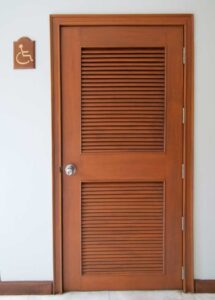
- Wood: Commercial doors are often made from solid wood, such as oak, maple, mahogany, or cherry, offering a traditional, natural look and durability. Alternatively, wood composite, a manufactured material made from wood fibers or particles bonded together with a resin, provides a more affordable option while still maintaining a wood-like appearance.
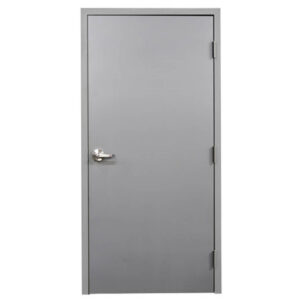
- Metal: Metal doors, often made from steel, aluminum, or stainless steel, offer durability and security. Steel is a strong and durable option, particularly for high-traffic areas or where security is a concern. Aluminum, being lightweight and corrosion-resistant, is commonly used in modern buildings. Stainless steel, known for its durability and resistance to corrosion, is often chosen for doors in high-traffic areas or where a sleek, modern look is desired.
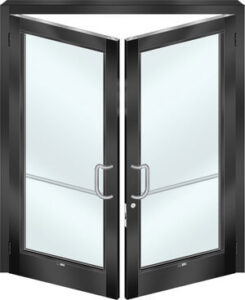
- Glass: Glass doors, often made from tempered or laminated glass, provide a modern and transparent aesthetic. Tempered glass, heat-treated for increased strength and resistance to breakage, is commonly used in storefronts and office buildings. Laminated glass, composed of multiple layers bonded together with a plastic interlayer, offers even greater resistance to breakage, making it a popular choice for security doors.
- Other materials: Beyond traditional materials like wood, metal, and glass, commercial doors can also be made from fiberglass or high-pressure laminate (HPL). Fiberglass, a composite material known for its durability and resistance to moisture and fire, is often used in harsh environments. HPL, a decorative material formed by bonding layers of paper and resin under high pressure, is frequently chosen for commercial doors in high-traffic areas due to its durability and aesthetic appeal.


What are the pros and cons of each different common commercial door material?
Commercial Wood Doors:
- Pros: Wood doors offer a warm, natural aesthetic that can complement various building styles. As a good insulator, wood helps maintain indoor temperature and reduce energy costs. When properly maintained, wood doors can be highly durable and long-lasting, making them a popular choice for commercial applications.
- Cons: Wood doors, while offering a natural aesthetic and insulation properties, are susceptible to moisture damage and warping. To maintain their appearance and prevent damage, they may require periodic sanding, staining, or painting.
Commercial Metal Doors:
- Pros: Metal doors, particularly those made from steel, are renowned for their strength and security, making them ideal for applications where safety is paramount. Their durability allows them to withstand harsh weather conditions and other challenges. Additionally, many metal doors are rated for fire resistance, further enhancing their suitability for commercial environments.
- Cons: Metal doors, especially steel doors, can be heavy, requiring additional structural support during installation. Moreover, installing metal doors, particularly those with complex features or fire ratings, may necessitate specialized skills and equipment.
Commercial Glass Doors:
- Pros: Glass doors offer a modern and sleek appearance while allowing natural light to enter the building, creating a brighter and more inviting atmosphere. When combined with other materials like tempered or laminated glass, they can also provide a secure entrance, making them a versatile option for commercial applications.
- Cons: Glass doors, while offering a modern aesthetic and natural light, may pose security risks if not properly reinforced or combined with other materials. Additionally, they can be less energy-efficient than solid doors, especially in colder climates.
Commercial Fiberglass Doors:
- Pros: Fiberglass doors are highly durable, resisting moisture, insects, and rot, making them a low-maintenance option. Their fire resistance makes them suitable for commercial applications where safety is a priority.
- Cons: Fiberglass doors may not have the same natural appearance as wood. While fiberglass is durable, it unfortunately lacks the warmth and natural aesthetic of wood.
Commercial High-Pressure Laminate (HPL) Doors:
- Pros: HPL doors offer durability, being resistant to scratches, stains, and moisture. Their low-maintenance nature makes them easy to clean, while their wide variety of colors and patterns allows for customization, making them a versatile option for commercial applications.
- Cons: HPL may not be as durable as some other materials. While HPL doors are resistant to scratches and stains, they may not be as durable as solid wood or metal doors over the long term.
It’s important to weigh the advantages and disadvantages of each material based on your specific needs and preferences. Consider factors such as the building’s design, security requirements, budget, and maintenance preferences.
The best material for your commercial doors will depend on your specific needs and preferences. Consider factors such as the building’s design, security requirements, budget, and maintenance preferences.
What factors should I consider when choosing a commercial door material?
- Durability: The material should be able to withstand the expected level of wear and tear, including foot traffic, impact, and environmental conditions.
- Security: For areas with high security requirements, materials like steel or reinforced glass may be necessary.
- Aesthetics: The material should complement the overall design and aesthetic of your building.
- Maintenance: Consider the ease of maintenance for different materials. Some materials may require more frequent cleaning or repairs than others.
- Energy efficiency: If energy efficiency is a concern, materials with good insulation properties, like wood or fiberglass, may be preferred.
- Cost: The budget for your project will influence the choice of material. Some materials may be more expensive than others.
- Fire resistance: For buildings with fire safety requirements, materials with good fire resistance properties may be necessary.
- Accessibility: Ensure that the chosen material complies with accessibility standards, such as the Americans with Disabilities Act (ADA).
- Local building codes: Check local building codes for any specific requirements or restrictions regarding door materials.
By carefully considering these factors, you can select a door material that meets your needs and enhances the overall performance and appearance of your commercial building.
Ultimately, the best material for your commercial doors will depend on your specific needs and preferences. It’s often recommended to consult with a door and hardware supplier or a building contractor to get expert advice.
If you are in need of commercial doors, take a look at them & get a quote here: Commercial Doors
If you have any additional questions about commercial doors, email us at [email protected] or give us a call at 800-685-7541 and we’ll be happy to help you out!