


Which Type of Commercial Door is Best For Use in a Retail Store?
When choosing a commercial door for a retail store, glass storefront doors are often the best option. They offer maximum visibility, creating an inviting entrance that showcases merchandise and attracts customers. Aluminum-framed glass doors are particularly popular because they combine durability with a sleek, professional appearance. For stores requiring additional security, tempered or laminated glass can provide extra protection without sacrificing style. Aluminum doors are another durable, weather-resistant, and relatively low-maintenance choice that are commonly used for storefront entrances, side entrances, and areas where a sleek, modern look is desired. Lastly, commercial steel doors are highly secure and fire-resistant, making them ideal for main entrances, back entrances, and areas where security is a top priority. Ultimately, the best commercial door for a retail space balances aesthetics, security, and functionality to support the store’s brand and customer experience. Glass storefront, aluminum and steel doors are particularly popular in retail stores due to their combination of aesthetics, durability, and functionality.

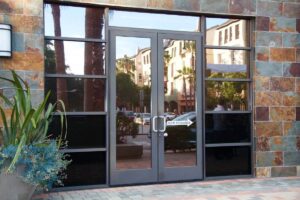


Why are glass storefront doors recommended for retail stores?
Glass storefront doors are recommended for retail stores because they create an open, inviting atmosphere that helps attract customers by allowing clear views of the store’s interior and merchandise. They enhance curb appeal, make a strong first impression, and encourage impulse visits. Additionally, modern glass doors made with tempered or laminated glass offer excellent security while maintaining a sleek, professional look. They also let in natural light, which can improve the shopping experience and reduce energy costs.
Are glass doors strong enough for a retail environment?
Yes, glass doors are strong enough for a retail environment, especially when made with tempered or laminated safety glass. Tempered glass is up to four times stronger than regular glass and is designed to shatter into small, blunt pieces if broken, reducing the risk of injury. Laminated glass consists of two layers of glass bonded with a durable interlayer, which holds the glass together even if it cracks, adding extra security. Many glass storefront doors also include reinforced aluminum frames and can be paired with advanced locking systems to meet both aesthetic and security needs.
What are the main factors to consider when choosing commercial doors for a retail store?
- Security: Prioritize security by ensuring doors can be easily locked and unlocked by authorized personnel. Deter burglars with sturdy materials and robust hardware.
- Aesthetics: The doors should complement the store’s overall aesthetic. Carefully select materials and finishes that align with the desired ambiance, whether it’s contemporary, classic, or rustic.
- Functionality: Prioritize ease of use, ensuring doors are simple for customers and staff to open and close. Adhere to accessibility standards, such as ADA guidelines, to accommodate guests with disabilities.
- Durability: Opt for durable materials, like steel or solid wood, that resist wear and tear. Prioritize low-maintenance doors to minimize upkeep and ensure long-lasting performance.
- Cost: Evaluate the initial investment required for purchasing and installing the doors. Additionally, consider long-term costs associated with maintenance, repairs, and potential replacements throughout the doors’ lifespan.
- Local Regulations: Ensure compliance with local building codes and regulations regarding door types, materials, and installation.
By carefully considering these factors, you can select commercial doors that meet the specific needs of your retail store, enhance its security, aesthetics, and functionality, and provide a positive experience for customers and staff.
Are there alternatives to glass storefront doors for retail stores?
Yes, there are alternatives to glass storefront doors for retail stores, depending on the store’s needs and design preferences. Common options include:
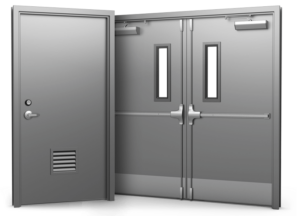
Solid Aluminum or Steel Doors: Commercial steel doors offer high security and durability, making them ideal for back entrances, service doors, or stores prioritizing protection over visibility.
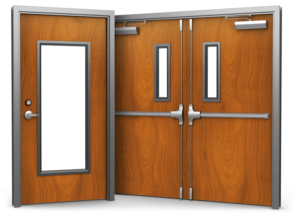
Wood Doors: While less common for front entrances, commercial wood doors can provide a warm, upscale look for boutique or specialty stores. They usually require more maintenance.
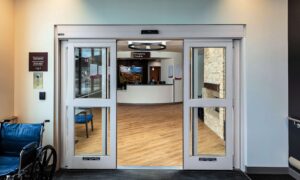
Automatic Sliding or Revolving Doors: Great for high-traffic retail locations, these doors improve customer flow and accessibility while offering a modern appearance.

Full Metal or Composite Doors with Window Inserts: Commercial metal doors with glass offer a balance between security and some visibility, often used in side entrances or employee-only areas.

Each alternative serves specific purposes; however, for the main customer entrance, glass doors remain the most popular because of their ability to drive foot traffic.
What security measures can be taken to protect commercial doors in retail stores?
Protecting commercial doors in retail stores is essential to safeguarding merchandise, customers, and employees. Here are some effective security measures:
Hardware and Locks: Invest in high-quality locks, such as deadbolts, cylinder locks, and lever locks, to deter unauthorized access. Reinforce door frames to prevent forced entry, and use security hinges to resist tampering.
Access Control: Implement an access control system using key cards, biometric scanners, or PIN codes to restrict access to specific areas. Limit key distribution and conduct regular audits to prevent unauthorized access and ensure accountability.
Physical Security: Enhance physical security with strategically placed security cameras and ample lighting to deter intruders. Conduct regular security patrols to maintain a vigilant presence and deter unauthorized access.
Door Reinforcement: Strengthen doors with reinforced cores to resist forced entry. For high-risk areas, consider adding security bars or grilles. Install automatic door closers to ensure doors are always closed and locked.
Employee Training: Empower employees with security awareness training to understand best practices and respond effectively to potential threats. Ensure they are prepared to handle emergencies through comprehensive training.
By implementing a combination of these security measures, retail stores can significantly enhance the protection of their commercial doors and create a safer environment for customers and employees.
Are there any specific regulations or standards for commercial doors in retail stores?
Yes, there are specific regulations and standards for commercial doors in retail stores. These regulations vary depending on the location, but they generally cover aspects like:
- Fire safety: Doors must meet certain fire resistance ratings to prevent the spread of fire and smoke.
- Accessibility: Doors must comply with accessibility standards, such as the Americans with Disabilities Act (ADA), to ensure that people with disabilities can access the store.
- Security: Doors may need to meet specific security requirements, such as being reinforced or equipped with high-security locks.
- Energy efficiency: Doors may need to meet certain energy efficiency standards to reduce energy consumption.
It’s important to consult with local building codes and regulations to ensure that commercial doors in a retail store meet all applicable standards.
Take a look at our wide variety of commercial doors here: Commercial Doors
If you have any additional questions about commercial doors, email us at [email protected] or give us a call at 800-685-7541 and we’ll be happy to help you out!